
How to Make a DIY Oven Mitt: A Simple Sewing Project for Beginners
Disclosure: Some of the links in this post are affiliate links. This means if you click on the link and purchase an item, I will receive an affiliate commission at no extra cost to you.
There is something satisfying about making useful items for your home. While large sewing projects can feel overwhelming, small projects often bring the most joy because you can finish them in just a few hours and start using them right away. One of my favorite practical sewing projects is a DIY oven mitt. It is simple, useful, and adds a personal touch to any kitchen.
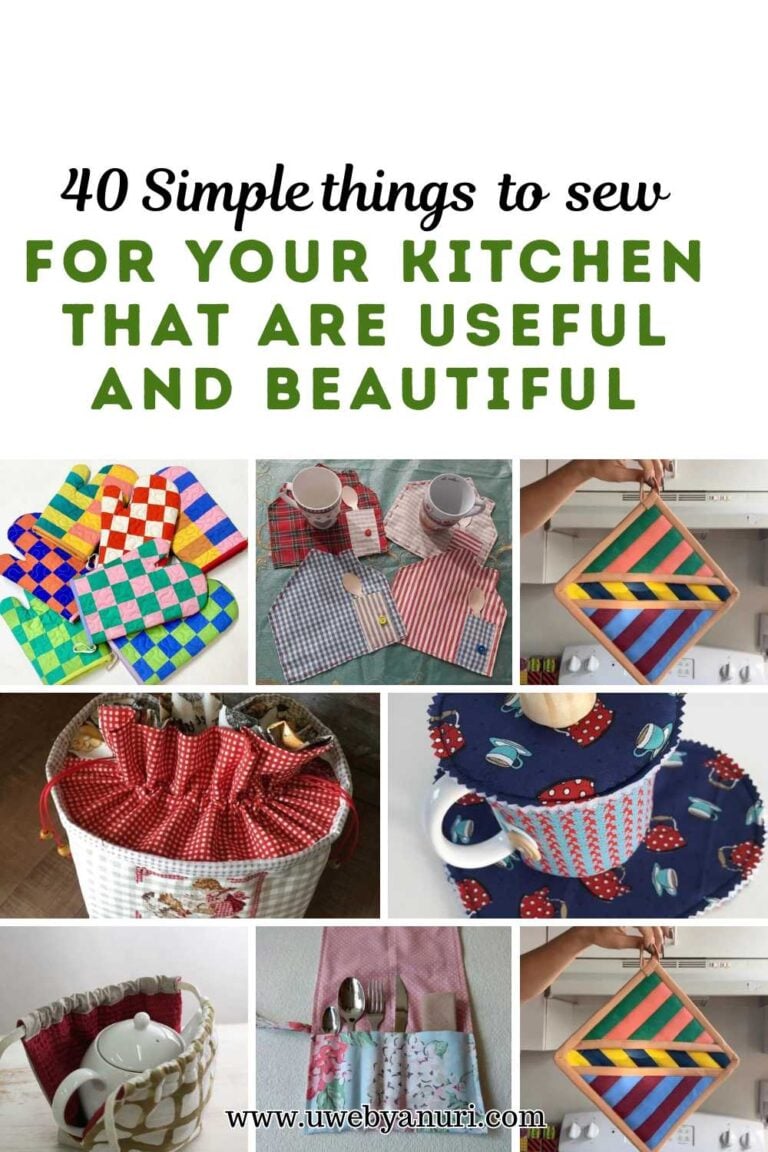
If you enjoy making practical kitchen accessories, you may also love this collection of simple things to sew for your kitchen.
A few years ago, I noticed that my old oven mitts were looking worn out. They still worked, but they no longer matched my kitchen, and some of them had become thin from years of use. Instead of buying new ones, I decided to make my own. I was surprised by how easy the process was. Not only did I end up with oven mitts that matched my kitchen perfectly, but I also discovered a wonderful handmade gift idea for family and friends.
If you enjoy sewing projects that are both beautiful and practical, this DIY oven mitt tutorial is perfect for you. The project uses basic sewing supplies, simple techniques, and very little fabric. Even if you are a beginner, you can create an oven mitt that looks professional and helps protect your hands while cooking and baking.
Looking for another useful beginner sewing project? Try this reversible bowl cozy sewing tutorial for your kitchen.
Why Make Your Own DIY Oven Mitt?
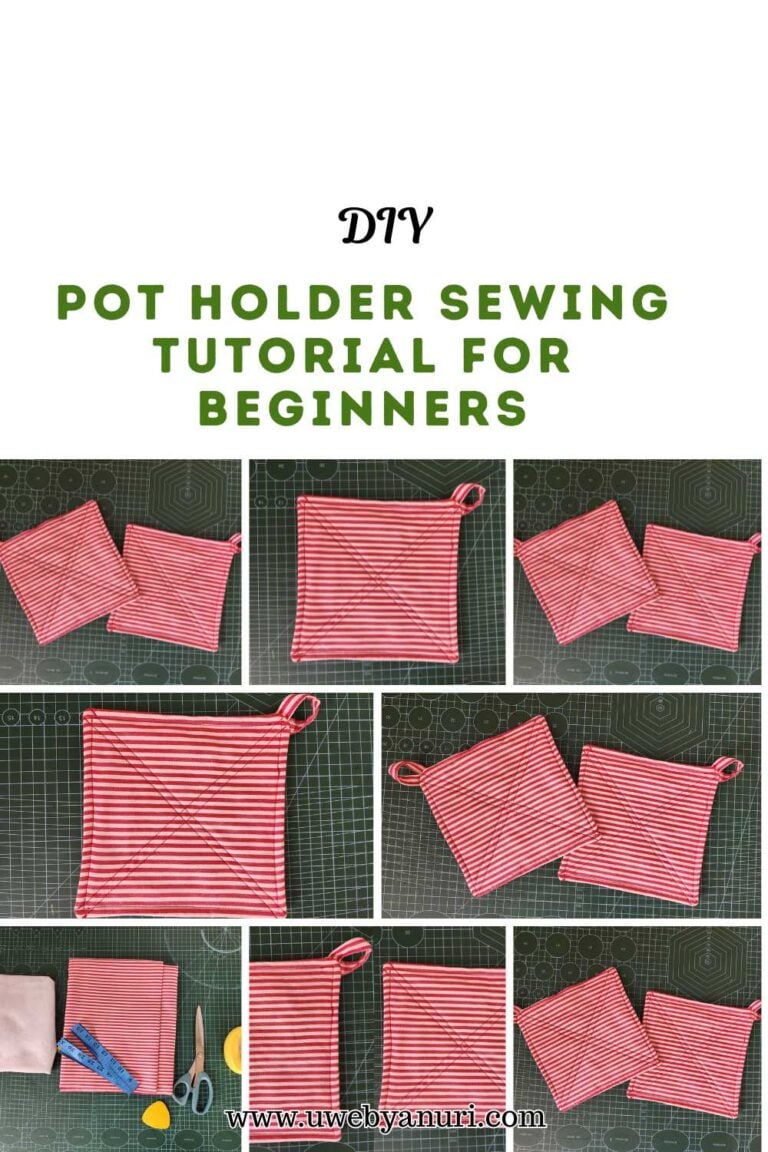
Homemade oven mitts are more than just kitchen accessories. They allow you to create something that fits your style and needs. Store-bought oven mitts often come in limited colors and designs, but when you make your own, you can choose fabrics that match your kitchen decor perfectly. Whether you love floral prints, farmhouse patterns, modern designs, or bright colors, you can create an oven mitt that reflects your personality. You might also enjoy making a matching DIY pot holder to complete your handmade kitchen set.
Another reason many people enjoy this project is the cost savings. If you already have fabric scraps left from other sewing projects, you may not need to buy much at all. Homemade oven mitts also make thoughtful gifts. A handmade oven mitt paired with a recipe book, baking supplies, or homemade treats creates a gift that feels personal and meaningful. Best of all, this project helps you practice basic sewing skills while creating something you will use almost every day.
For gift-giving inspiration, check out this Mother’s Day apron sewing project that pairs beautifully with handmade oven mitts.
Materials Needed for a DIY Oven Mitt
Before starting any sewing project, it helps to gather everything you need in one place. Being prepared makes the sewing process smoother and prevents interruptions once you begin. For this project, you will need half a yard of fabric. Divide this into a quarter yard for the outer fabric and a quarter yard for the lining. Choose fabrics that coordinate well together because both will be visible when the project is finished.
You will also need heat-resistant batting or quilt batting to provide insulation and protect your hands from hot cookware. Along with the fabric and batting, gather your sewing machine, matching thread, scissors, measuring tape, pattern paper, pins, tailor’s chalk or fabric marker, and an iron. These basic sewing tools will help you complete the project with ease. Once everything is ready, you can begin creating your custom oven mitt.
If you enjoy sewing useful household items, this fabric wall pocket sewing tutorial is another practical project worth trying.
Instructions
1. Create Your Oven Mitt Pattern
The first step is making a pattern that fits comfortably around your hand. Place your hand on a large piece of pattern paper and spread your fingers naturally. Trace around your hand while leaving extra space around the edges. Remember that the oven mitt needs room for seam allowances, padding, and comfortable movement. Think of the shape as similar to a mitten rather than a fitted glove.
Learning to create your own sewing patterns becomes easier with beginner-friendly projects like this reversible bucket hat tutorial.
After tracing your hand, smooth the outline into a rounded oven mitt shape. Make the wrist area slightly wider so your hand can slide in and out easily. Once you are happy with the shape, cut out the pattern carefully. Taking time to create a good pattern is important because it serves as the foundation for the entire project. A well-shaped pattern will result in a comfortable and practical oven mitt.
2. Cut the Fabric Pieces
Place your paper pattern on the main fabric and secure it with pins. Carefully cut around the pattern to create four pieces of outer fabric. These pieces will form the front and back of two oven mitts. Repeat the process using your lining fabric so you have four matching lining pieces. Accurate cutting helps ensure all pieces fit together properly during assembly.
If you have leftover fabric scraps after cutting your oven mitt pieces, use them in these creative scrap fabric quilt ideas.
Next, place the pattern on your batting or padding material. Cut four pieces of batting, making each one approximately half an inch smaller around all sides. Reducing the size of the batting helps eliminate unnecessary bulk in the seams. Thick seams can make turning and sewing difficult, so this small adjustment creates a cleaner finish. Once all pieces are cut, organize them into matching sets before moving to the next step.
3. Attach the Padding to the Main Fabric
The padding is what gives the oven mitt its protective qualities. Without proper insulation, the mitt would not provide enough protection from heat. Place one batting piece on the wrong side of each outer fabric piece. Make sure it is centered so the edges remain free for sewing.
Many quilting techniques used here are also helpful when making a DIY fabric laptop sleeve.
If your batting is fusible, use an iron to attach it according to the manufacturer’s instructions. If it is not fusible, you can secure it with a few temporary stitches around the edges. Taking time to attach the padding properly helps prevent shifting during sewing. Once secured, the fabric will feel thicker and sturdier. This added structure not only improves safety but also helps the oven mitt maintain its shape after repeated use.
4. Make the Hanging Loops
Many people overlook the hanging loop, but it is one of the most useful features of an oven mitt. A loop allows you to hang the mitt on a hook or rack, keeping it within easy reach while cooking. To make the loops, cut two fabric strips measuring four inches long and two inches wide.
Fold each strip in half lengthwise with the right sides facing each other. Sew along the long edge to create a narrow tube. Turn the tube right side out and press it flat with an iron. The finished loops should look neat and sturdy. These small pieces may not take long to make, but they add convenience and give the oven mitt a more professional appearance.
You can use the same basic strap-making technique in this DIY drawstring jewelry pouch tutorial.
5. Attach the Hanging Loops
Take one of the outer fabric pieces and position a hanging loop along the edge near the wrist opening. The raw ends of the loop should align with the raw edge of the mitt. Pin the loop securely in place and stitch it down with a few small stitches.
This step is important because the loop must remain secure even after frequent use. Oven mitts are often hung, grabbed quickly, and moved around the kitchen, so a strong attachment helps ensure durability. Before sewing permanently, check that the loop is facing inward toward the fabric. This allows it to flip outward correctly when the mitt is turned right side out later in the process.
6. Sew the Main Fabric Pieces Together
Place two outer fabric pieces right sides together. Make sure the batting remains on the outside of the fabric pieces. Pin around the edges carefully so nothing shifts while sewing. Using a quarter-inch seam allowance, stitch around the entire oven mitt shape.
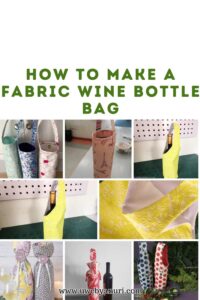
Once you’re comfortable sewing curved seams, try this fabric wine bottle bag tutorial for handmade gift giving.
Sew slowly around curves because smooth curves contribute to a polished finished product. After sewing the first mitt, repeat the same process with the second set of outer fabric pieces. Once completed, inspect your seams for any gaps or missed sections. Strong, even stitching is especially important for projects that will experience regular use. The outer layer now begins to resemble the final shape of the oven mitt.
7. Sew the Lining Pieces
The lining provides a clean interior finish and makes the oven mitt more comfortable to wear. Place two lining pieces right sides together and pin around the edges. Sew using the same seam allowance as before. Unlike the outer fabric, leave a three-inch opening along one side.
This opening will allow you to turn the entire project right side out later. Without this gap, assembling the mitt would be much more difficult. Repeat the process for the second lining set. After sewing, press the seams gently to remove wrinkles. Keeping the lining smooth helps it fit neatly inside the finished mitt. Although this step seems simple, it plays a major role in creating a professional-quality result.
8. Assemble the Oven Mitt
Before assembling the mitt, trim excess seam allowance and carefully clip small notches around curved areas. These notches help the curves lie smoothly after turning. Turn the outer fabric section right side out while leaving the lining inside out.
These bag-construction techniques are also used in this reversible tote bag sewing tutorial.
Insert the outer mitt into the lining so the right sides face each other. Align all edges and seams carefully before pinning around the wrist opening. This stage requires patience because proper alignment helps the finished mitt look balanced and symmetrical. Once pinned, check that everything sits smoothly without twisting or bunching. Taking a few extra moments here can make a noticeable difference in the final appearance.
9. Join the Outer Mitt and Lining
With the outer fabric and lining pinned together, sew around the wrist opening using a quarter-inch seam allowance. This seam joins the two sections into one complete project. Work slowly to maintain an even seam all the way around the opening.
Once sewing is complete, locate the opening left in the lining. Carefully pull the entire oven mitt through this gap. As the fabric turns right side out, the project finally begins to look like a finished oven mitt. Continue pulling until all layers are fully turned. Smooth the seams gently with your fingers and check that all edges are properly shaped.
10. Finish Your DIY Oven Mitt
The final step brings everything together. Begin by shaping the mitt and gently pushing out any curved areas. Use your fingers to smooth the seams and remove wrinkles. Fold the raw edges of the lining opening inward and stitch it closed neatly.
If you enjoy finishing projects with neat topstitching, you’ll love making this mug cozy sewing tutorial next.
Once the opening is closed, tuck the lining inside the outer mitt. Give the entire project a thorough press with an iron, paying special attention to the wrist opening. Many sewists like to add a line of topstitching around the opening because it creates a crisp edge and helps keep the lining in place. After this final step, your DIY oven mitt is ready to use. You now have a practical kitchen accessory that is both functional and handmade.
Tips for Making a Better Oven Mitt
Choosing the right materials can make a significant difference in the quality of your oven mitt. Always select heat-resistant batting when possible because it offers better protection than regular padding. Cotton fabrics are often the best choice because they are durable, easy to sew, and available in many designs.
Pressing throughout the project is another important habit. Many beginners wait until the end to use an iron, but pressing after each major step creates cleaner seams and more accurate construction. It is also helpful to test the fit before sewing multiple pairs. Everyone’s hands are different, so slight adjustments to the pattern can improve comfort and usability.
For more ways to use small fabric pieces, check out this heart-shaped fabric coaster tutorial.
Conclusion
Learning how to make a DIY oven mitt is a wonderful way to combine creativity and practicality. This beginner-friendly sewing project requires only a few materials and basic sewing skills, yet the finished result is something you can use every day. Homemade oven mitts also make thoughtful gifts for family members, friends, teachers, and anyone who enjoys spending time in the kitchen.
You may also enjoy sewing other quick and practical projects like this DIY fabric sunglass case.
The next time you find yourself with leftover fabric and a free afternoon, consider making a custom oven mitt. It is a quick project that brings lasting value and adds a handmade touch to your home. Once you finish your first pair, you may find yourself making several more in different colors and patterns for every season.