
How to Make a Fabric Wine Bottle Bag
Disclosure: Some of the links in this post are affiliate links. This means if you click on the link and purchase an item, I will receive an affiliate commission at no extra cost to you.
There is something special about giving a gift that looks beautiful before it is even opened. A bottle of wine is already a thoughtful present, but adding a handmade fabric wine bottle bag makes it feel even more personal. I started making these bags when I got tired of buying gift bags that were only used once. They looked nice for a short time, but most ended up in the trash. I wanted something reusable, practical, and easy to sew. If you enjoy quick gift projects, you may also love this easy drawstring gift bag tutorial, another beginner-friendly way to package handmade gifts beautifully.
One day, I used some leftover fabric from another sewing project and created my first fabric wine bottle bag. I was surprised by how professional it looked. The bag turned a simple bottle into a gift that felt extra special. Since then, I have made many of these bags for birthdays, holidays, dinner parties, and family celebrations. They are quick to sew, beginner-friendly, and a great way to use fabric scraps.
If you are looking for a simple sewing project that is both useful and beautiful, this tutorial is for you. In this guide, I will walk you through every step of making a fabric wine bottle bag from start to finish. Even if you are new to sewing, you can create a bag that looks polished and impressive.
Looking for more ways to use leftover fabric? Browse these scrap fabric quilt ideas for creative inspiration.
Why You Will Love This Fabric Wine Bottle Bag
A fabric wine bottle bag is more than just gift wrapping. It becomes part of the gift itself. Unlike paper gift bags that often get torn or thrown away, a fabric bag can be used again and again. Many people reuse them to carry bottles, store small items, or even regift them to someone else. That makes this project an eco-friendly choice for anyone who wants to reduce waste.
Another reason this project is so popular is that it does not require much fabric. You can often make one using leftover pieces from previous sewing projects. This makes it affordable while helping you clear out your fabric stash. The finished bag looks elegant and professional, yet the sewing process is simple enough for beginners. Whether you choose festive holiday prints, classic linen, or colorful cotton fabric, you can create a unique bag that reflects your personal style.
Another sustainable sewing project worth trying is this reversible tote bag tutorial, which is perfect for everyday use.
Supplies You Will Need
Before you begin sewing, gather all of your supplies in one place. Having everything ready makes the project smoother and helps you avoid interruptions. For this project, you will need half a yard of fabric for the outside of the bag and another half yard for the lining. Choosing fabrics that complement each other will make the finished project look even more attractive.
You will also need half a yard of fusible interfacing. This gives the bag structure and helps it stand upright when holding a bottle. Along with fabric and interfacing, prepare your sewing machine, matching thread, scissors, measuring tape, straight pins, tailor’s chalk or fabric marker, an iron, and pattern paper. These are basic sewing tools that most sewists already have at home. Once everything is prepared, you are ready to start creating your wine bottle bag.
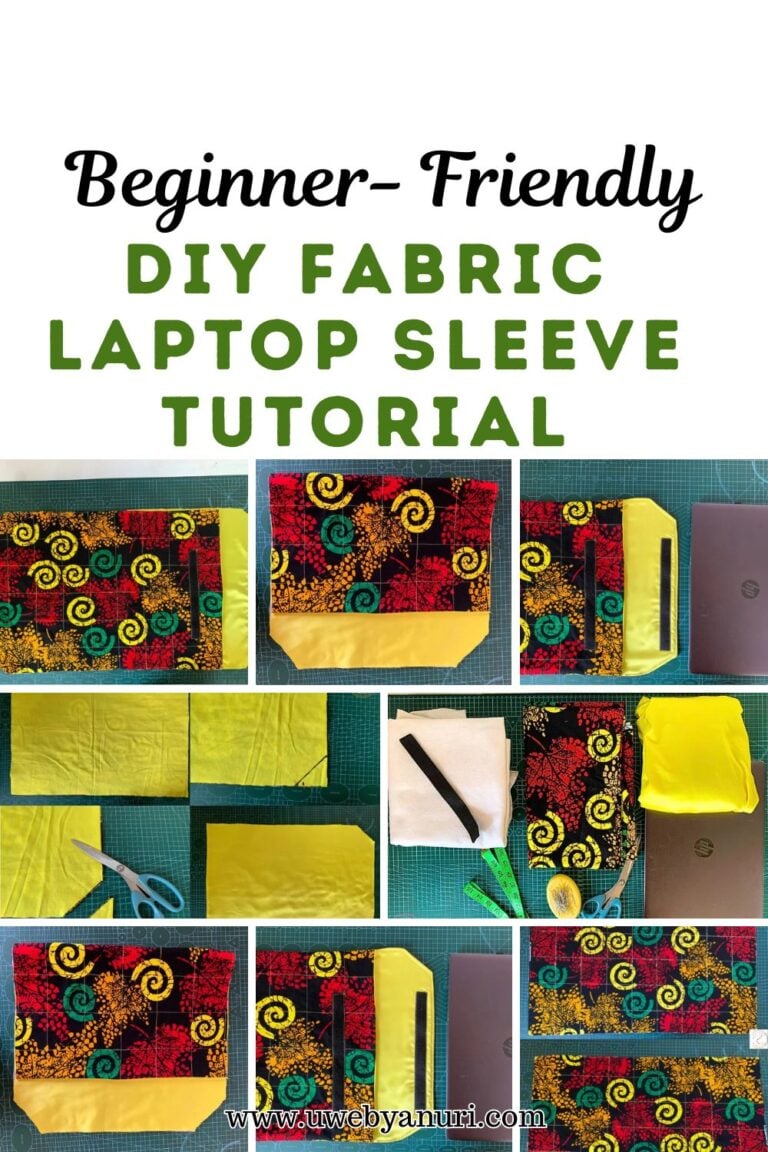
If you’re building your sewing skills, this DIY fabric laptop sleeve tutorial is another great project that combines fabric pairing and practical design.
Cutting Instructions
1. Cut the Main Fabric and Lining Fabric
Begin by laying your fabric on a flat surface. Make sure it is pressed and free of wrinkles because accurate cutting is important for a neat result. Cut one piece of main fabric measuring 35 inches by 8 inches. Repeat the same step with your lining fabric so both pieces are exactly the same size. Taking your time during this stage helps prevent problems later when the pieces need to match perfectly. Accurate cuts will make sewing easier and help the finished bag look professional rather than homemade in a rushed way.
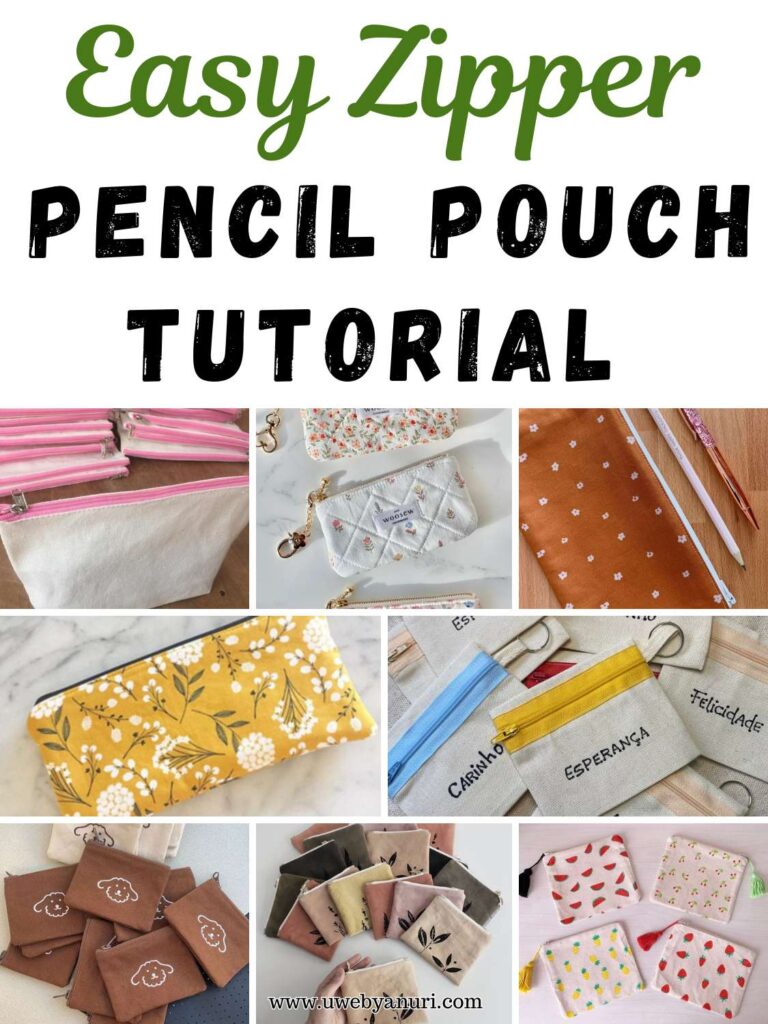
Accurate cutting is important in every sewing project, including this easy zipper pencil pouch tutorial for beginners.
2. Cut the Fusible Interfacing
Once the fabric pieces are cut, prepare the interfacing. Cut one piece measuring 35 inches by 8 inches. The interfacing should match the size of the main fabric because it will be fused directly onto it. Many beginners skip interfacing because it seems like an extra step, but it plays a major role in the final appearance of the bag. Interfacing helps the fabric hold its shape and prevents the bag from looking soft or floppy. Spending a few extra minutes on this step will greatly improve the finished result.
Interfacing also plays an important role in projects like this wide brim summer hat tutorial, where added structure makes a big difference.
3. Create the Top Flap Pattern
To create the decorative flap at the top of the bag, start with an 8-inch by 8-inch square piece of pattern paper. Fold the paper in half carefully. Measure 1.25 inches inward from the folded edge and draw a straight vertical line. Next, measure 5.25 inches upward from the bottom and draw a horizontal line. Where the two lines meet, draw a smooth curved line down toward the bottom edge. Cut along the curved line and unfold the paper. You now have a pattern that will create the decorative curved top of the wine bottle bag.
Step-by-Step Sewing Instructions
4. Attach the Fusible Interfacing
Place the interfacing on the wrong side of the main fabric. Carefully line up all the edges so nothing extends beyond the fabric. Using your iron, press the interfacing according to the manufacturer’s instructions. Work slowly across the entire piece to ensure every section bonds properly. This step strengthens the fabric and helps the bag maintain its shape after sewing. Once the interfacing is attached, allow the fabric to cool completely before moving it. The fabric will immediately feel more structured and much easier to work with during the next stages of the project.
If you enjoy structured sewing projects, you might also like making this reversible bowl cozy for your kitchen.
5. Shape the Top Opening
Fold the main fabric in half lengthwise and place the pattern you created along the folded edge. Pin the pattern securely so it does not shift while cutting. Carefully cut around the curved shape. After cutting the main fabric, repeat the same process with the lining fabric. This step creates the decorative opening that gives the wine bottle bag its stylish appearance. Cutting slowly and accurately will help both pieces match perfectly. Matching curves make sewing easier and ensure the finished bag looks symmetrical and neat from every angle.
6. Create the Bottom Corner Cutouts
At the bottom corners of both the main fabric and lining fabric, measure 1.5 inches vertically and 1.5 inches horizontally. Draw a square connecting the marks and cut the square away. These small cutouts may not seem important at first, but they help create the boxed corners that allow the bag to stand upright. Without them, the bag would have a flat bottom and might not support a wine bottle properly. Accurate measuring is important here because evenly sized corners create a balanced and professional-looking base.
7. Sew the Side Seams
Place the main fabric right sides together and pin the side edges. Sew along both long sides using a 0.4-inch seam allowance. Repeat the same process with the lining fabric. While sewing the lining, remember to leave a 3-inch opening at the bottom. This opening will be used later to turn the entire project right side out. After sewing, press the seams open or to one side. Pressing helps reduce bulk and creates cleaner edges. Neat seams are one of the easiest ways to make a beginner sewing project look polished and well made.
Mastering basic seams will help you tackle useful projects like this DIY makeup brush roll tutorial.
8. Create the Boxed Corners
Take one of the corner cutouts and pinch it so the side seam lines up directly with the bottom seam. This forms a triangle shape. Pin the edges together and sew straight across the opening using a 0.25-inch seam allowance. Repeat this process for all remaining corners on both the main fabric and lining. These boxed corners create depth and give the bag a flat base. Once completed, the bag will be able to stand upright more easily. This simple technique is often used in bags and storage baskets because it adds both structure and functionality.
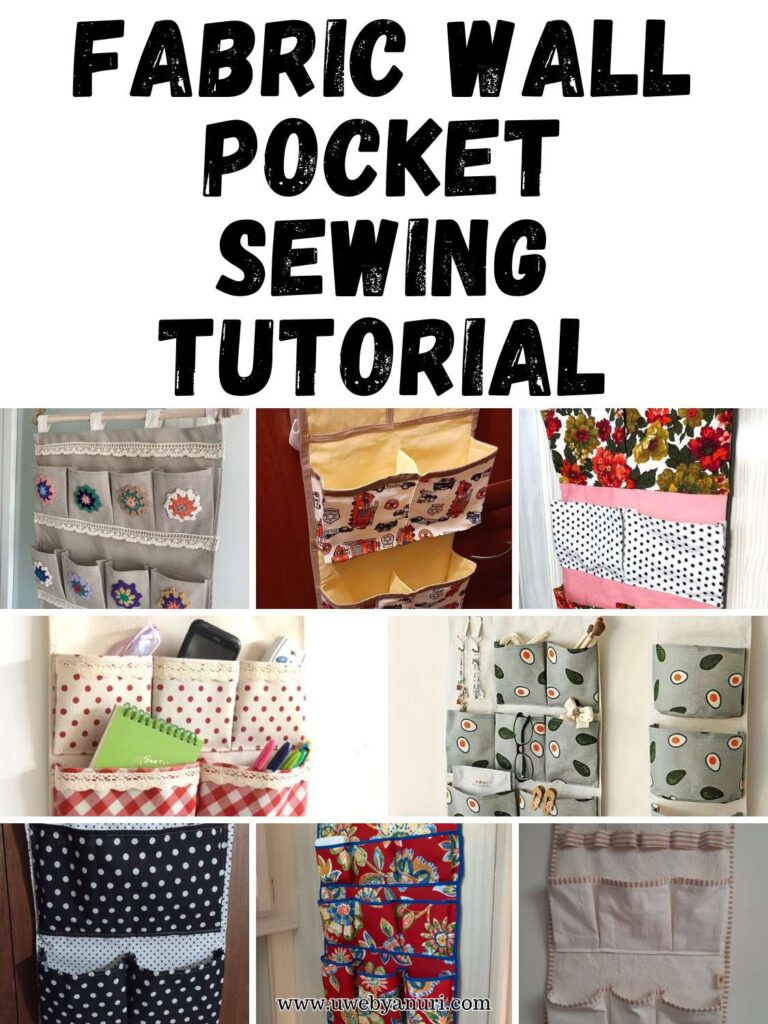
Boxed corners are commonly used in bag making and can also be found in this fabric wall pocket sewing tutorial.
9. Assemble the Main Bag and Lining
Turn the outer fabric right side out while leaving the lining wrong side out. Place the outer bag inside the lining so the right sides are facing each other. Carefully match the side seams and pin around the top edge. Taking your time during this step is important because proper alignment helps the finished bag look professional. When all seams are matched correctly, the layers fit together smoothly. This stage is where the separate pieces finally begin to look like a real bag rather than individual sections of fabric.
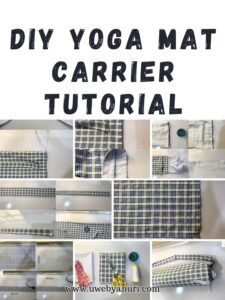
Learning how to work with linings is a valuable skill that can also be used when sewing a DIY yoga mat carrier.
10. Mark the Top Stitching Points
Measure 2.5 inches down from the top edge on both sides of the bag and make small marks using tailor’s chalk or a fabric marker. These marks show where you should begin and end your stitching. The area above these marks will remain open and help form the finished flap section. Marking before sewing helps maintain consistency and prevents mistakes. Small preparation steps like this often make a big difference in the quality of the final project. A few seconds spent measuring now can save a lot of frustration later.
11. Sew Around the Top Edge
Using your sewing machine, stitch around the top edge of the bag while starting and stopping at the marks you made in the previous step. Sew carefully around the curved sections to keep the stitching smooth and even. After sewing, trim excess seam allowance if necessary and clip small notches around the curves. These clips help the fabric relax when turned right side out. Without clipping, the curved areas may appear bulky or uneven. Although this is a small detail, it greatly improves the appearance of the finished wine bottle bag.
Working with curves becomes much easier with practice. You can build confidence by trying this reversible bucket hat tutorial.
12. Turn the Bag Right Side Out
Locate the opening left in the lining and gently pull the entire bag through it. Continue turning until the bag is completely right side out. Use your fingers to push out the curved edges and smooth any wrinkles. Once everything looks neat, close the opening in the lining with either hand stitching or a narrow machine stitch. Tuck the lining inside the outer fabric and arrange it neatly. At this point, the project starts to resemble the finished product. A good press with the iron will make the bag look crisp and professional.
13. Finish the Decorative Flap
Take the matching flap pieces and place them right sides together. Sew around the curved edges using a 0.25-inch seam allowance. Turn the flap right side out and press it carefully with an iron. Once the edges are smooth, add topstitching around the flap for a clean finish. Topstitching not only improves the appearance of the flap but also strengthens it. This final detail helps the bag look professionally made. When completed, the decorative flap becomes one of the most attractive features of the entire project.
If you enjoy adding decorative details to your projects, you’ll also love creating a fabric hair bow for a quick and fun sewing project.
Ways to Personalize Your Fabric Wine Bottle Bag
One of the best parts of making a fabric wine bottle bag is the ability to customize it. You can choose fabrics that match a holiday, special event, or the personality of the person receiving the gift. Christmas prints work beautifully during the holiday season, while floral fabrics are perfect for spring celebrations. Elegant linen creates a timeless look for weddings and anniversaries.
You can also add decorative details such as ribbon ties, fabric handles, embroidery, appliqué designs, or personalized monograms. Some sewists even attach gift tags directly to the bag for an extra special touch. Small changes can completely transform the appearance of the project. Because every fabric choice creates a different look, no two wine bottle bags ever have to be exactly the same.
For more creative embellishment ideas, check out this organza flower garland tutorial that adds beautiful handmade accents to any project.
Conclusion
Making a fabric wine bottle bag is a simple sewing project that delivers beautiful results. It combines creativity, practicality, and sustainability in one easy-to-make gift accessory. Even beginners can complete this project successfully with basic sewing skills and a little patience. The finished bag looks elegant, protects the bottle, and can be reused for years to come.
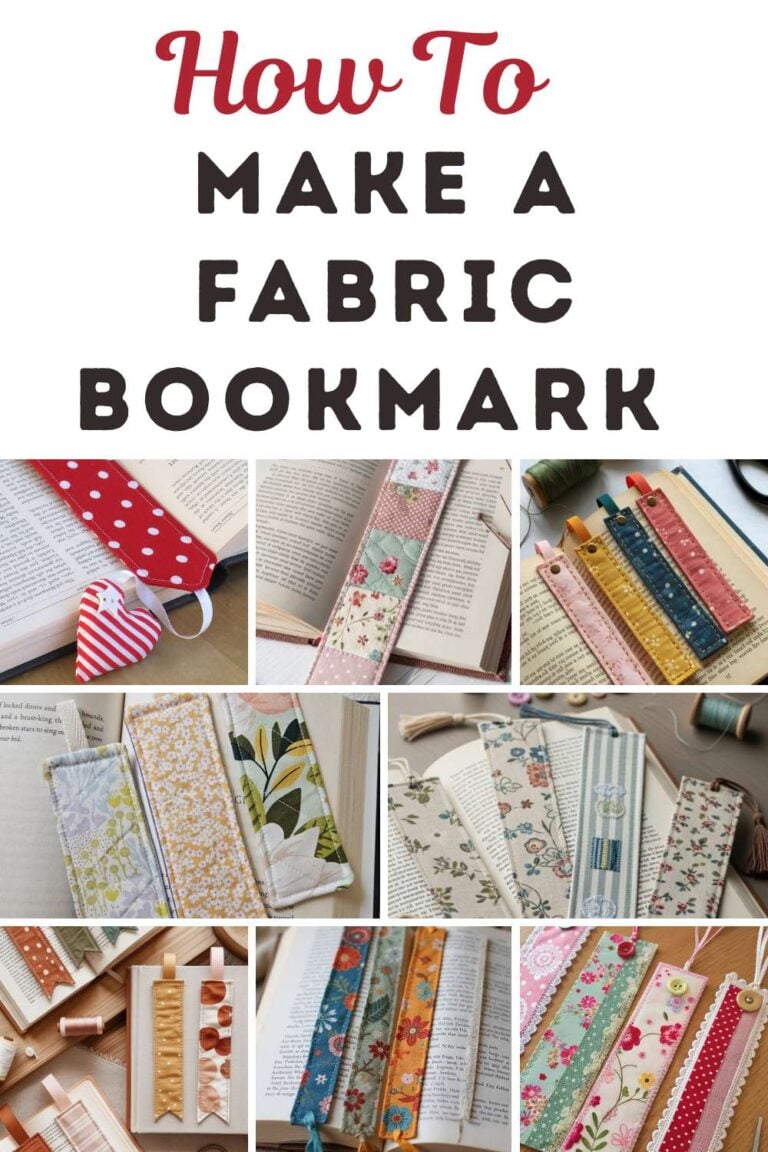
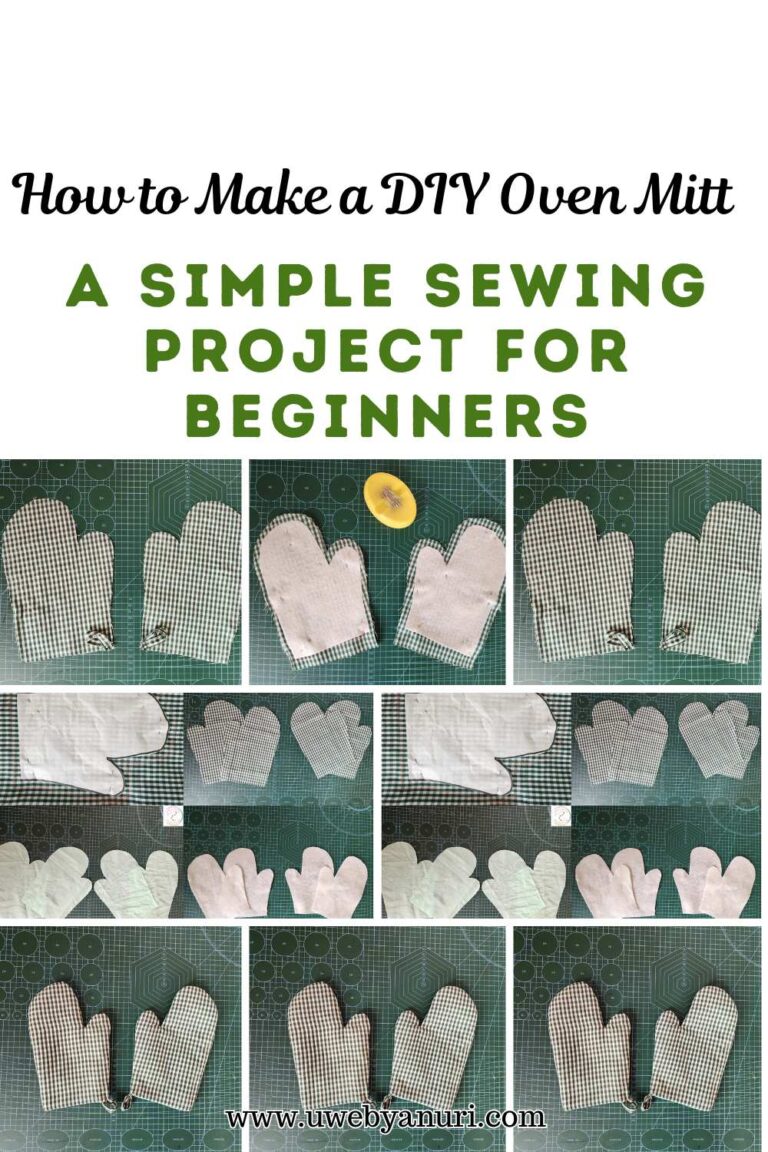
If this project inspired you to create more handmade gifts, you may also enjoy sewing a fabric bookmark, a handmade scrunchie, or a DIY pot holder for friends and family.
Whether you are preparing for a holiday gathering, attending a dinner party, or celebrating a special occasion, a handmade wine bottle bag adds a thoughtful touch that store-bought packaging cannot match. The next time you give a bottle of wine as a gift, try making your own fabric wine bottle bag and enjoy the satisfaction of presenting something truly handmade.