27 Crochet Hacks That Save Time, Yarn, and Frustration
Disclosure: Some of the links in this post are affiliate links. This means if you click on the link and purchase an item, I will receive an affiliate commission at no extra cost to you.
Crochet should be fun, but sometimes a small problem can turn a relaxing project into a frustrating one.
Maybe your yarn keeps splitting. Maybe you keep losing your crochet hook. You might also find yourself pulling out several rows because you made one tiny mistake.
I have learned that you do not always need a new tool or complicated technique to make crochet easier. Sometimes, a simple little trick can save you time, yarn, and plenty of frustration.
These crochet hacks can help you work smarter and enjoy your projects more. Some tricks help you use less yarn, while others make your stitches easier to manage.
You do not need to try all 27 hacks at once. Pick the ones that solve the problems you face most often and add the others as you go.
1. Keep Your Yarn in a Bowl
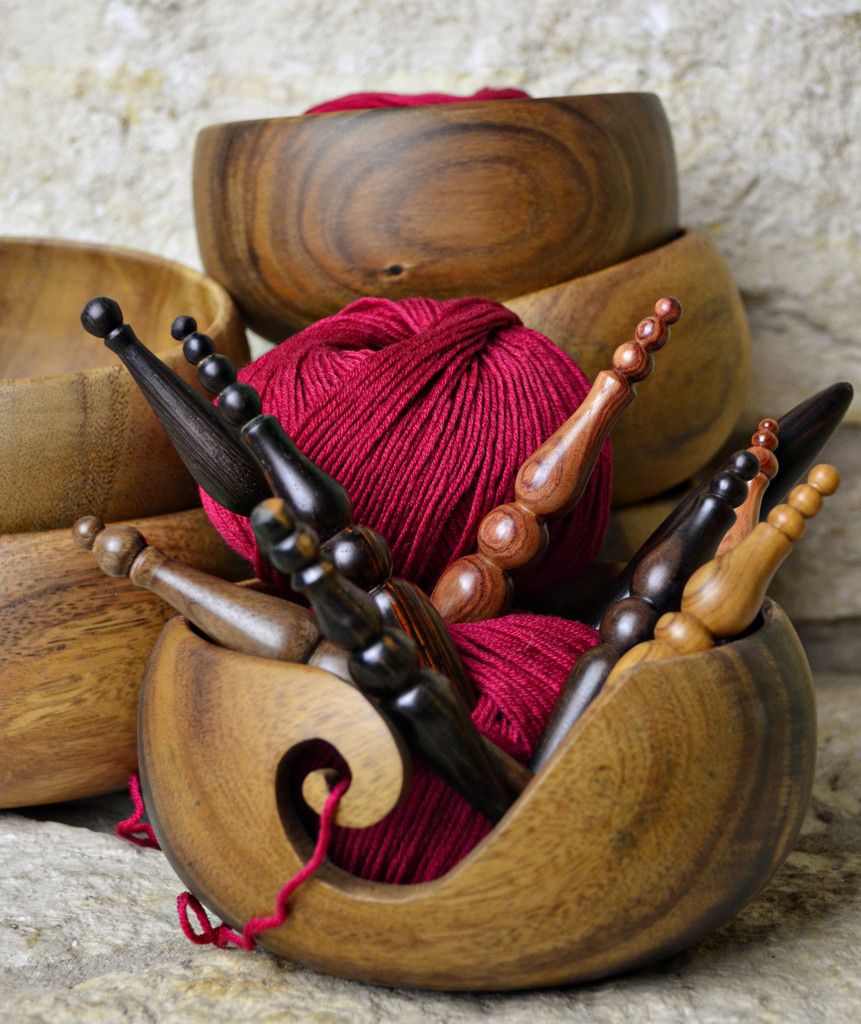
A yarn bowl can make crocheting much easier, especially when your yarn rolls around the room.
If you do not own a yarn bowl, you can use a clean bowl from your kitchen. Place your yarn inside and pull the working yarn through a small opening or handle.
The bowl keeps your yarn in one place while you crochet. It also helps prevent your yarn from picking up dust and dirt from the floor.
A yarn bowl can make crocheting much easier, especially when your yarn rolls around the room. If you enjoy making colorful crochet motifs, you may also like this granny motif tutorial.
You can even make a simple DIY yarn bowl from items you already have at home.
2. Make a DIY Yarn Bowl From a Container
You do not have to spend money on special crochet supplies.
Find a clean plastic container, small basket, or sturdy bowl. Make sure it has enough space for your yarn to move freely.
If you use a container with a lid, make a small opening in the lid for the yarn. The yarn can then feed through the opening as you crochet.
This simple hack works well when you want to crochet on the go. You do not have to spend money on special crochet supplies.
If you enjoy making useful handmade organizers, you can also try this fabric wall pocket sewing tutorial for keeping your craft supplies neat and easy to reach.
3. Use Stitch Markers to Save Your Place
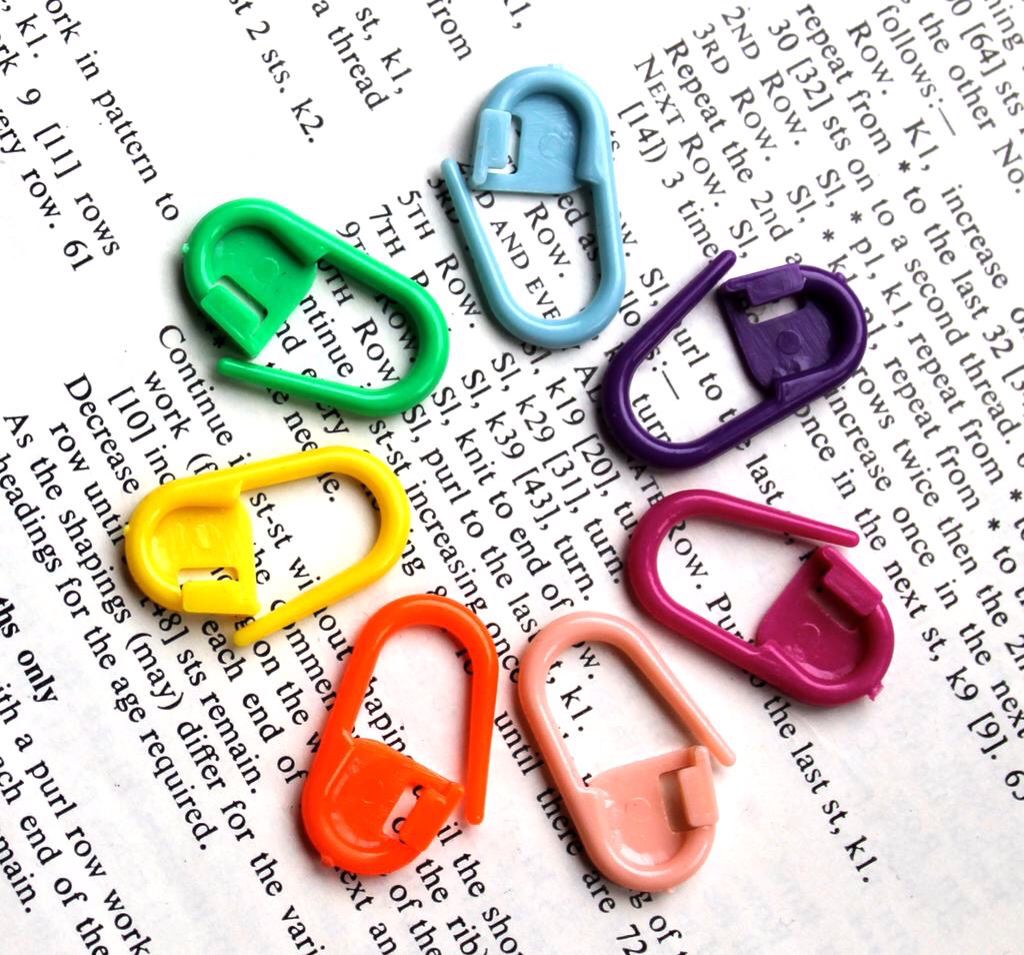
Stitch markers are tiny, but they can save you from a lot of frustration.
Use one whenever you need to mark the beginning of a round. You can also use markers to identify a particular stitch or section of your pattern.
Do not have a stitch marker nearby? A small safety pin, scrap piece of yarn, or paper clip can work.
Marking your work takes a few seconds. Fixing a lost stitch later can take much longer. Stitch markers are tiny, but they can save you from a lot of frustration. If you need a handy place to keep your crochet tools together, try this DIY drawstring jewelry pouch tutorial for a small organizer you can use for your craft supplies.
4. Use Scrap Yarn as a Stitch Marker
Here is one of my favorite crochet hacks when I cannot find my stitch markers.
Cut a small piece of contrasting scrap yarn. Place it through the stitch you want to mark.
You can pull it out easily when you no longer need it.
This works especially well when you are working with bulky yarn and do not want a hard marker getting in your way.
Here is one of my favorite crochet hacks when I cannot find my stitch markers. You can also keep your small crochet supplies organized in this easy zipper pencil pouch, which works well for hooks, stitch markers, and other little tools.
It also gives you a great way to use tiny pieces of leftover yarn instead of throwing them away.
5. Count Your Stitches at the End of Every Row
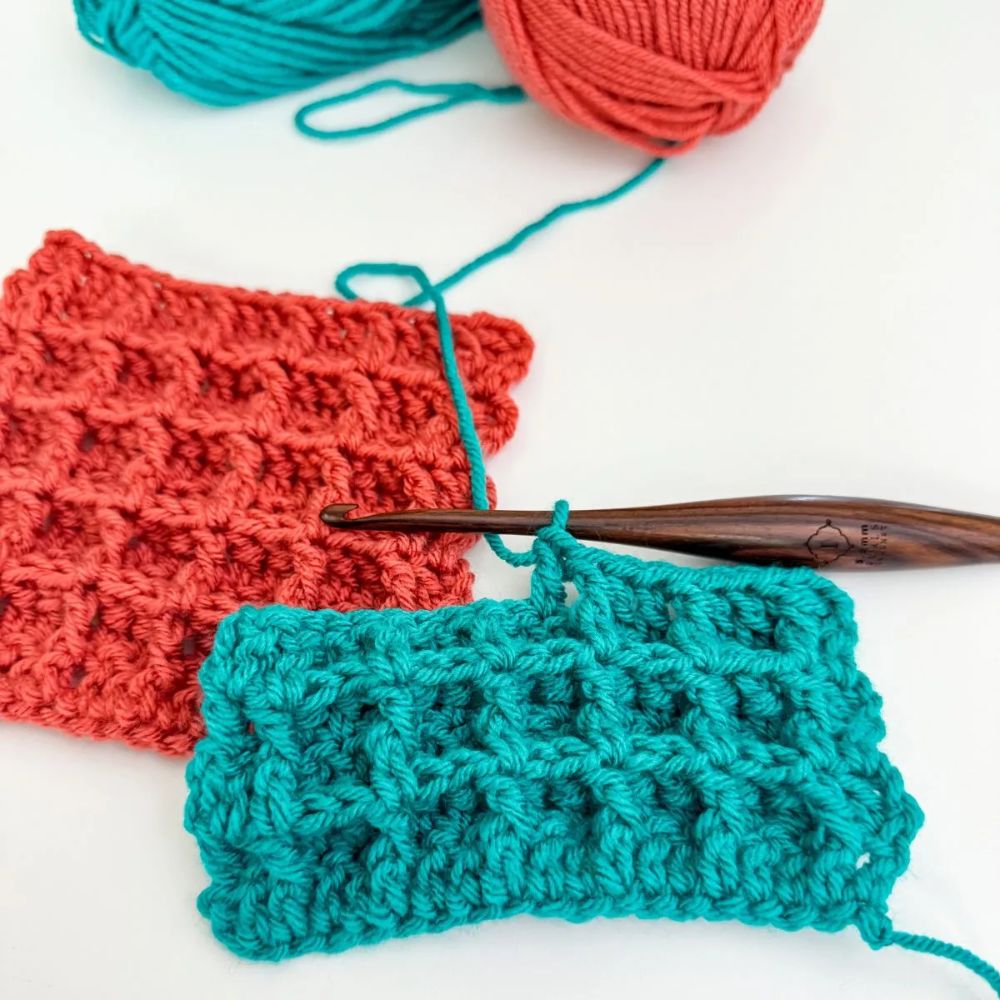
Counting your stitches might feel like extra work, but it can actually save time.
Take a few seconds to count your stitches after each row, especially when following a pattern.
If your pattern says you should have 30 stitches and you count 29, stop and find the mistake immediately. Counting your stitches after each row can help you catch mistakes early.
If you enjoy making practical handmade projects while using your fabric scraps, you may also like these scrap fabric quilt ideas.
You will save yourself from reaching the end of the project and discovering that your piece has the wrong shape.
This simple habit can prevent hours of unraveling.
6. Use a Row Counter
@Gillian Harris (Gilliangladrag)
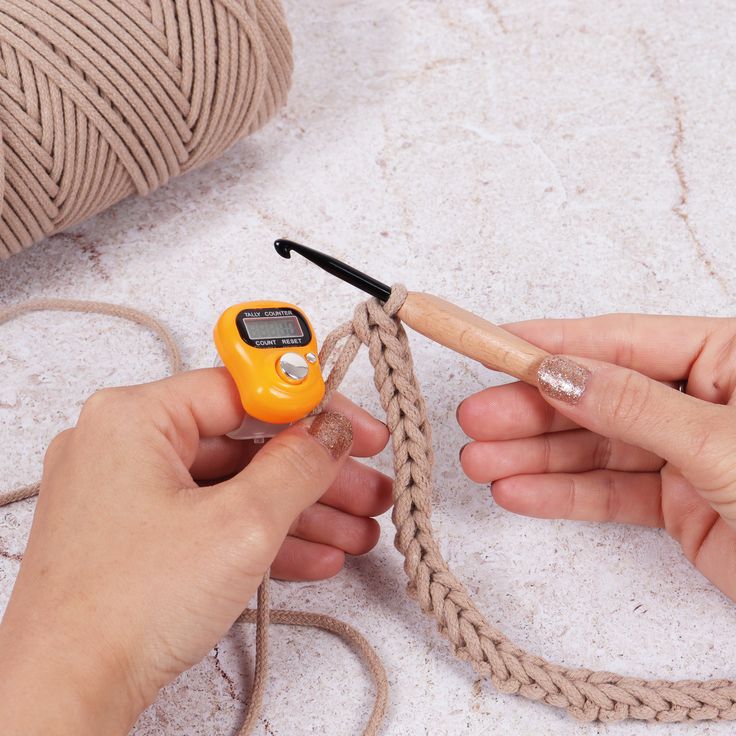
A row counter can help when you are working on a large project.
You can use a physical row counter, an app, or even a small notebook.
Every time you finish a row, record the number.
This becomes especially useful when you stop crocheting for several days. You will not have to sit there wondering which row you were working on.
If you do not have a row counter, keep a scrap of paper beside your project and make one small mark for every completed row.
A row counter can help when you are working on a large project. If you like keeping your crochet supplies together and easy to carry, this DIY makeup brush roll tutorial can also inspire a handy organizer for your tools.
7. Take a Photo Before You Stop

Sometimes you need to put your crochet project down quickly.
Before you do, take a quick photo of your work.
Make sure the photo shows the stitches clearly. You can also take a picture of the pattern section you are currently working on.
When you return to the project later, the photo can remind you where you stopped. Keeping your crochet supplies together can make your projects much easier to manage. A DIY drawstring pouch for small supplies can also help you keep your hooks, stitch markers, and other little tools organized.
This little habit can save you from spending several minutes trying to figure out what you were doing.
8. Keep Your Pattern Close

Stop switching between your crochet project and a pattern that is sitting across the room.
Keep your pattern somewhere you can easily see it.
If you use a printed pattern, place it on a clipboard. You can also use a tablet or phone stand to keep a digital pattern upright. Keeping your pattern somewhere you can easily see it makes crocheting much easier. If you enjoy making handmade accessories, you can also try this no-machine handmade scrunchie project for another simple craft idea.
This makes it easier to check the next instruction without constantly putting your hook down.
9. Highlight the Part of the Pattern You Are Using
Long crochet patterns can become confusing when you have to read several pages.
Use a pencil or highlighter to mark the section you are currently working on.
You can also place a small piece of paper underneath the current line.
This helps your eyes stay on the right row and reduces the chance of accidentally skipping an instruction.
If you are using a digital pattern, use the highlighting or annotation feature when available.
10. Make a Small Gauge Swatch
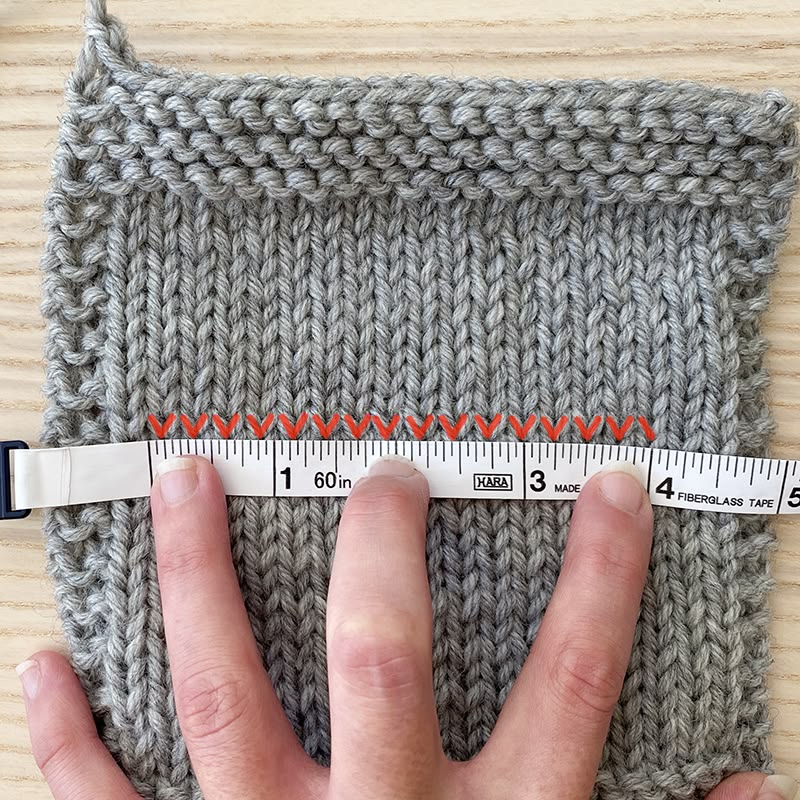
A gauge swatch may feel boring when you are excited to start a new project.
However, it can save you from wasting an entire skein of yarn.
Your tension may differ from the designer’s tension. That means your finished item could turn out much larger or smaller than expected.
Make a small swatch before starting projects where size matters.
This hack is particularly helpful for sweaters, hats, bags, and other fitted crochet projects.
11. Wind Tangled Yarn Into a Ball Before Starting
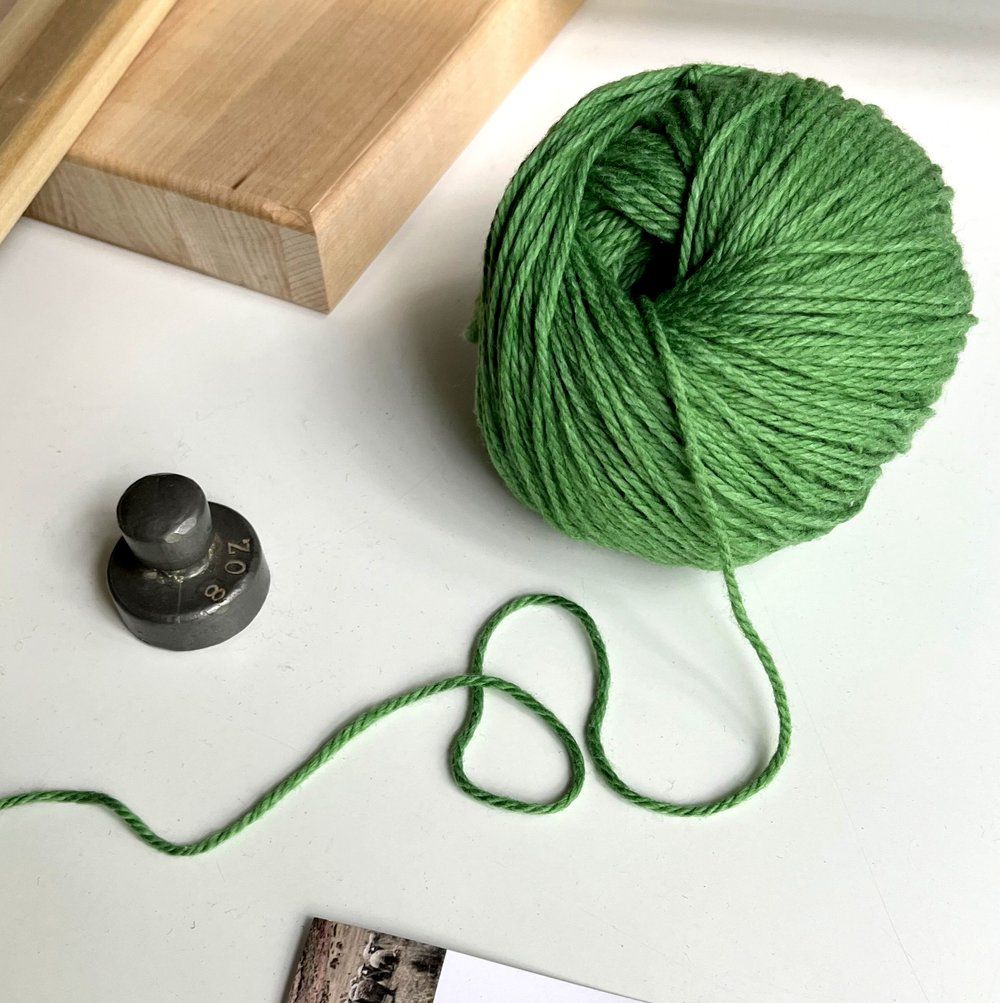
Do not keep crocheting with a badly tangled yarn ball.
You will spend more time stopping to untangle knots than actually crocheting.
If your yarn has become messy, take a few minutes to wind it into a neat ball before continuing.
You can wind it by hand or use a yarn winder if you have one.
A tidy yarn ball moves more smoothly and makes crocheting much more enjoyable.
12. Use the Right Hook Size for Your Yarn
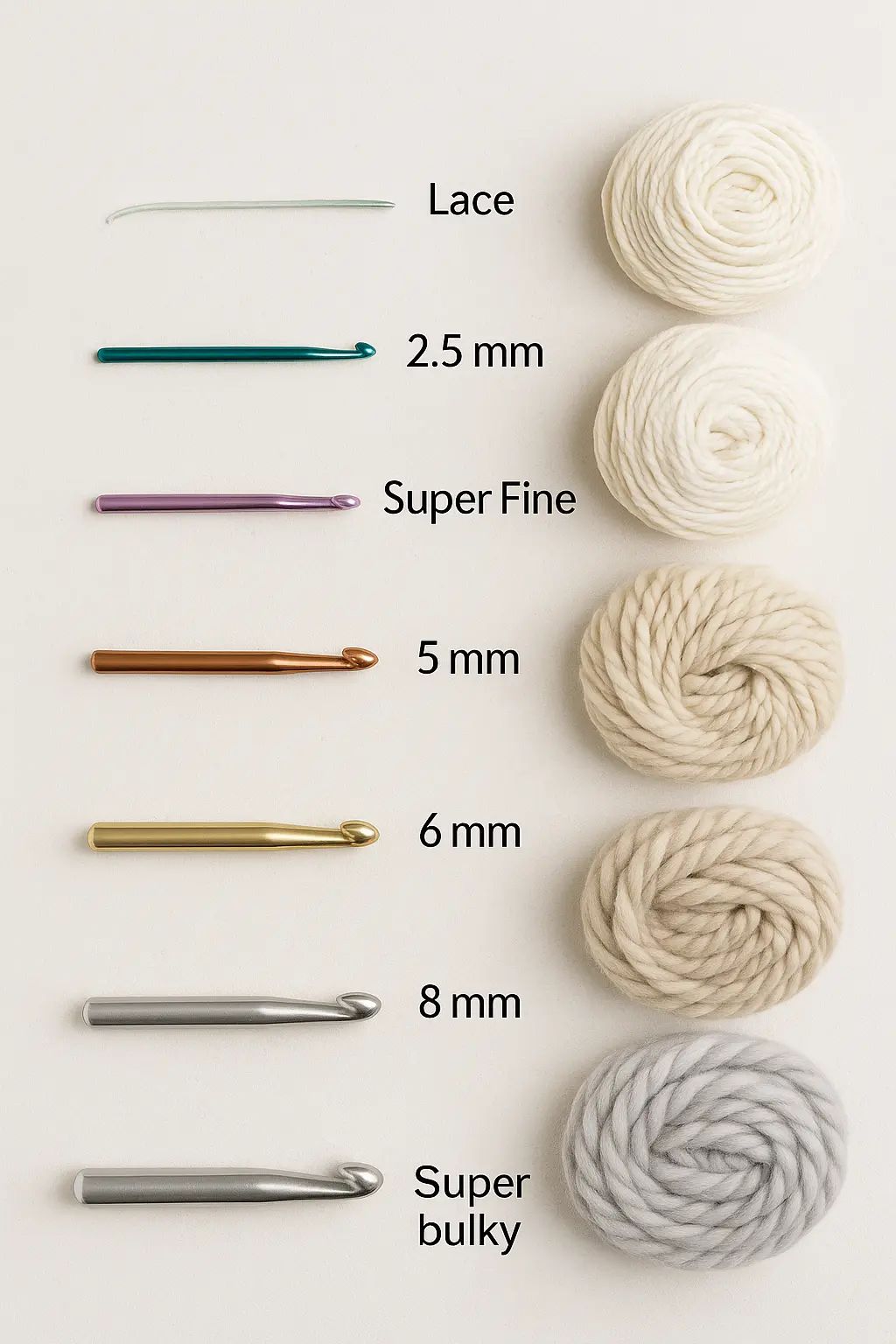
Your crochet hook can make a huge difference to your experience.
A hook that is too small can make your stitches tight and difficult to work into.
A hook that is too large can create loose stitches and change the look and size of your project.
Always check the yarn label for the recommended hook size. Then adjust according to the pattern and your own tension.
Using the right hook can make your hands feel more comfortable and your stitches easier to control.
13. Keep a Small Crochet Emergency Kit

Create a little pouch with the crochet tools you use most often.
You can keep your favorite hook, scissors, stitch markers, measuring tape, yarn needle, and small amounts of scrap yarn inside.
Keep the pouch with your current project.
This means you will not need to search the house every time you want to crochet.
You can even sew a simple fabric pouch for your crochet supplies.
14. Use a Locking Stitch Marker for Difficult Stitches
Some stitches are easy to lose, especially when you are working with dark yarn or complicated patterns.
A locking stitch marker can help you identify the exact stitch you need.
Use one when you need to mark increases, decreases, corners, joins, or other important points.
This is particularly useful when making bags, amigurumi, blankets with complicated designs, and fitted clothing.
15. Do Not Pull Your Stitches Too Tight
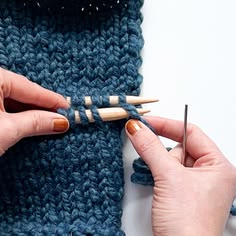
Tight crochet stitches can make even a simple project feel difficult.
If you constantly struggle to insert your hook into the next stitch, check your tension.
Try relaxing your hand slightly and allowing the yarn to move naturally.
You do not need to pull every stitch tightly to make your crochet look neat.
Consistent tension usually matters more than tight tension.
A relaxed grip can also make long crochet sessions more comfortable.
16. Use a Bigger Hook for Your Foundation Chain
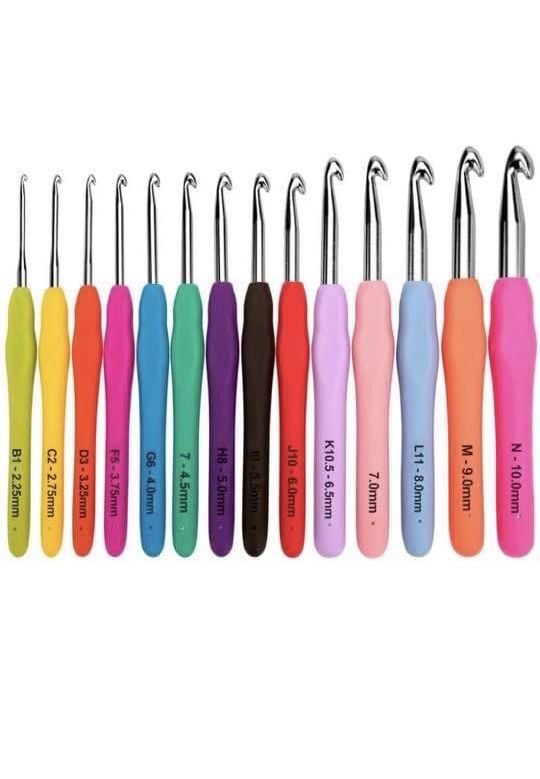
Does your foundation chain always feel tighter than the rest of your project?
Try making the foundation chain with a hook one size larger than the hook you plan to use for the rest of the project.
Then switch to your regular hook for the next row.
This can help create a more flexible foundation edge.
You can also practice making your chain stitches slightly looser.
17. Crochet Over Your Yarn Ends
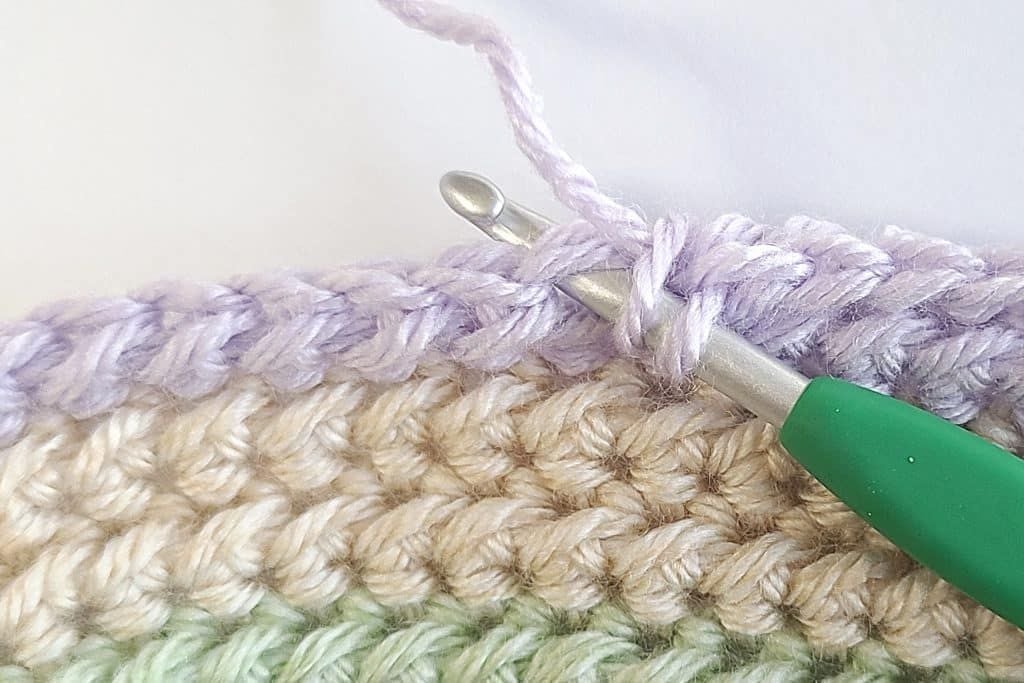
Do not leave every yarn tail hanging loose while you crochet.
When appropriate, place the yarn tail along the back of your work and crochet over it for several stitches.
This helps secure the end while you continue working.
You will still need to weave in ends properly when necessary. However, this hack can reduce the amount of finishing work later.
It also keeps your project from becoming covered in loose yarn tails.
18. Keep a Small Scrap Yarn Bag
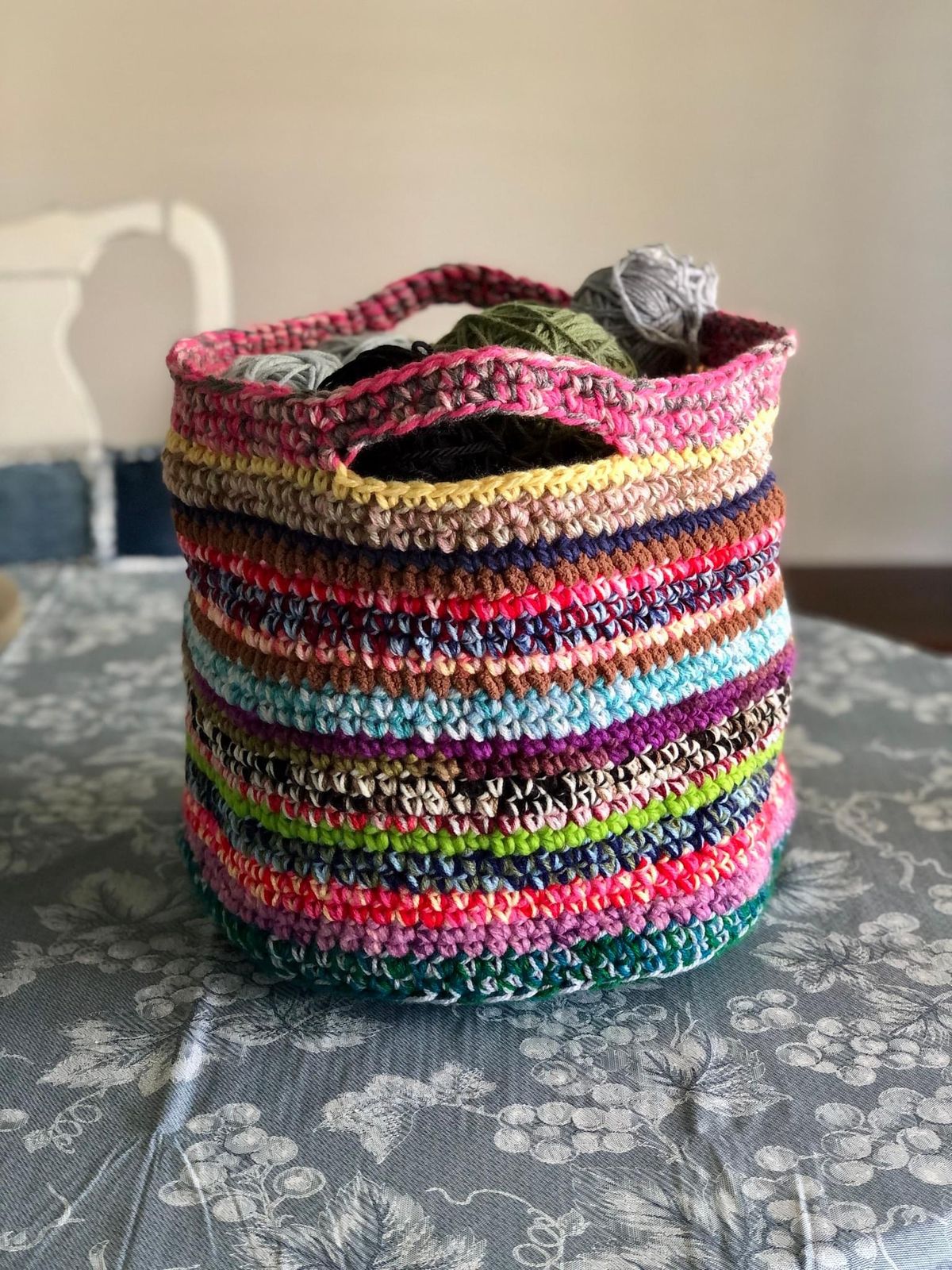
Never throw away every tiny piece of leftover yarn.
Keep a small bag or container for useful scraps.
You can use these pieces for stitch markers, stuffing, color testing, weaving in ends, or small crochet projects.
Short pieces can also come in handy when you need to test a stitch before using your main yarn.
One small bag can help you save yarn and money over time.
19. Check Your Yarn Before Starting a Project
Before you begin a large project, check that you have enough yarn.
If you need several skeins, check the yarn color number and dye lot when applicable.
Two skeins with slightly different dye lots may not look exactly the same.
Having enough matching yarn from the beginning can save you from making an unnecessary yarn shopping trip halfway through your project.
20. Use a Smaller Amount of Yarn for Color Testing
Do not use half a skein of yarn just to test whether two colors look good together.
Grab small pieces of each color instead.
Crochet a few stitches or a tiny swatch with the colors.
Hold the sample next to your project materials and check how they look together.
This helps you make color decisions without wasting your good yarn.
21. Learn to Undo a Few Stitches Without Panicking
Making a mistake does not mean your project is ruined.
Sometimes you only need to undo a few stitches.
Stop as soon as you notice the mistake. Carefully pull the yarn back until you reach the problem area.
Then place your hook back into the correct stitch and continue.
The earlier you fix a mistake, the less yarn and time you usually waste.
22. Use a Lifeline for Complicated Projects
A lifeline can save you when you are working on a complicated crochet pattern.
Thread a piece of smooth scrap yarn through a row of stitches. Leave the ends hanging outside the project.
If you make a serious mistake later, you can carefully unravel your work back to the lifeline.
The lifeline helps keep your stitches from disappearing as you undo the rows.
This trick is especially useful when trying a complicated stitch pattern for the first time.
23. Store Each Project in Its Own Bag
If you work on several crochet projects at once, give each one its own bag.
Put the yarn, hook, pattern, stitch markers, and other supplies inside.
A simple reusable shopping bag or fabric drawstring bag works well.
You will spend less time searching for missing supplies and less time untangling yarn from different projects.
It also makes it easy to pick up a project whenever you have a few free minutes.
24. Use a Tension Ring If You Struggle With Yarn Tension
Some crocheters struggle to keep their yarn tension consistent.
A tension ring can help guide the yarn as you crochet.
You can buy one, but you can also experiment with how you hold the yarn through your fingers.
The goal is not to hold the yarn tightly. You want it to glide smoothly while keeping a steady amount of tension.
Once you find a comfortable grip, your stitches can become much more consistent.
25. Mark the Right Side of Your Work
Some crochet projects make it difficult to tell which side is the front.
Use a small stitch marker to mark the right side.
This can help prevent confusion when you turn your work or stop for a break.
You can also attach a small piece of scrap yarn to the front side.
It takes only a few seconds and can save you from wondering which direction your project should face.
26. Use Your Finished Swatches for Small Projects
Do not throw away every crochet swatch after checking your gauge.
Keep the useful ones.
You can turn small swatches into coasters, appliqués, patches, scrunchies, decorations, or pieces for a larger scrap project.
This gives your practice work a second life.
It also helps you get into the habit of making useful things from small amounts of yarn.
27. Stop Trying to Fix Every Mistake
This might be the most important crochet hack of all.
Not every tiny mistake needs fixing.
If you make a small stitch difference in a blanket that nobody will notice, you may not need to unravel several rows.
Sometimes you can leave the mistake and keep going.
Of course, fix mistakes that affect the shape, fit, structure, or appearance of your project.
But if the mistake is tiny and hidden, ask yourself whether it is worth losing an hour of work.
Crochet does not have to be perfect to be beautiful.
Final Thoughts
Crochet becomes much easier when you find little ways to make the process work for you.
A stitch marker can save you from losing your place. A yarn bowl can stop your yarn from rolling across the floor. A gauge swatch can prevent you from wasting an entire project.
Small habits can make a surprisingly big difference.
You do not need expensive crochet gadgets to become a faster or more confident crocheter. Start with the simple hacks you already have the supplies for.
Most importantly, remember to enjoy the process. Crochet is handmade, and handmade work does not need to look perfectly machine-made.
Pick your favorite hacks from this list and try them during your next project. You may be surprised by how much time, yarn, and frustration they save.