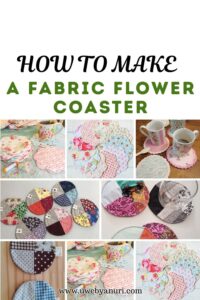

Hexagon Fabric Coaster Tutorial: Easy DIY Sewing Project for Beginners
Disclosure: Some of the links in this post are affiliate links. This means if you click on the link and purchase an item, I will receive an affiliate commission at no extra cost to you.
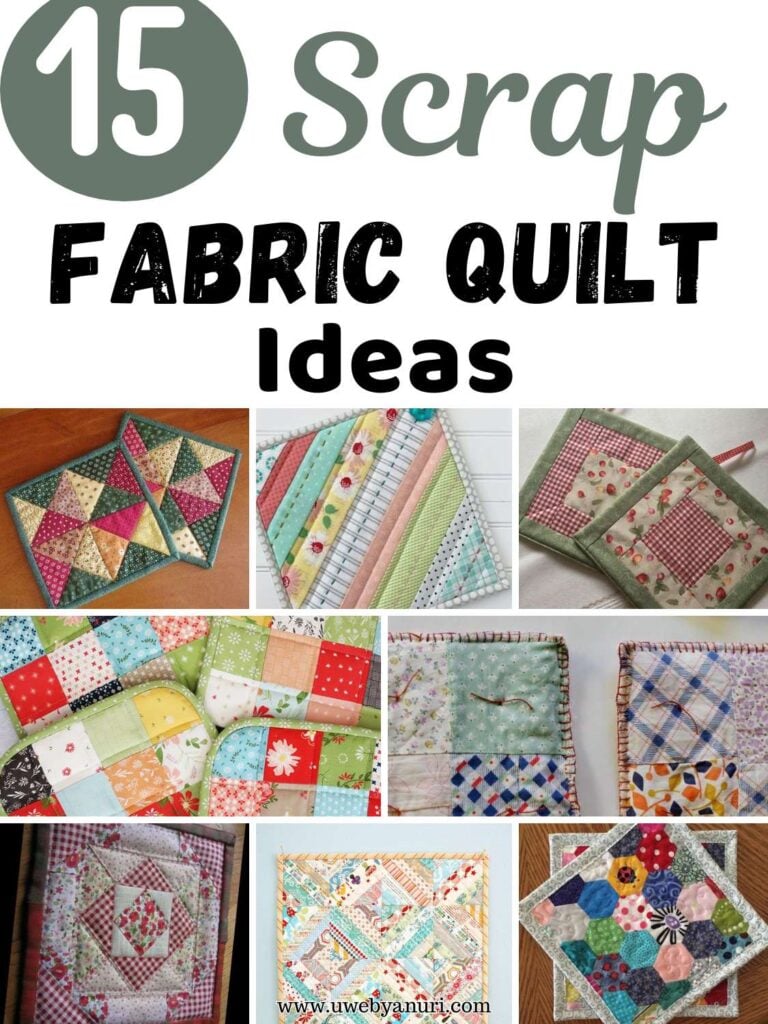
There is something incredibly rewarding about creating beautiful items for your home with your own hands, and this Hexagon Fabric Coaster Tutorial is one of those projects that delivers both satisfaction and practicality. Over the years, I have discovered that some of the most enjoyable sewing projects are not necessarily the largest or most complicated ones. Instead, they are often the simple projects that can be completed in an afternoon and immediately put to use around the home. That is exactly why I love making fabric coasters. You might also enjoy exploring these creative scrap fabric quilt ideas for even more ways to use leftover fabric pieces.
Whenever I finish a larger sewing project, I usually end up with small fabric scraps that seem too pretty to throw away. For the longest time, I stored those scraps in baskets, convinced I would eventually find a use for them. Eventually, I realized that small projects like this Hexagon Fabric Coaster Tutorial are the perfect solution. Not only do they help reduce fabric waste, but they also allow you to create something functional, decorative, and completely unique.
In this detailed Hexagon Fabric Coaster Tutorial, I will walk you through every step of the process while sharing practical sewing tips, helpful advice, and creative ideas along the way. By the end of this tutorial, you will have a beautiful handmade coaster that protects your furniture while adding a charming personal touch to your space.
If you love making handmade gifts, you’ll also enjoy this easy drawstring gift bag tutorial.
Why You’ll Love This Hexagon Fabric Coaster Tutorial
One of the reasons I recommend this Hexagon Fabric Coaster Tutorial so often is because it offers so many benefits despite being such a simple project. In fact, it is one of those rare sewing projects that combines beauty, practicality, affordability, and creativity all at once.
For another thoughtful handmade gift idea, take a look at this fabric wine bottle bag sewing project.
A. First, this project is extremely beginner-friendly. Even if you have only recently started sewing, you can confidently complete these coasters because the construction process is straightforward and easy to follow.
B. Additionally, these coasters are an excellent scrap-busting project. Many sewists accumulate small pieces of leftover fabric from previous projects, and these scraps are often too valuable to throw away. Fortunately, this coaster project allows you to turn those leftovers into something useful.
C. Furthermore, handmade coasters make wonderful gifts. Whether you are creating a housewarming gift, birthday present, holiday gift, or thank-you gift, a handmade set of fabric coasters always feels thoughtful and personal.
D. Finally, these coasters are practical enough to be used every single day. They help protect furniture from water rings, heat marks, and scratches while also adding color and personality to your home decor.
Because of these advantages, this project is one that many sewists find themselves returning to again and again.
Choosing the Best Fabric for a Hexagon Fabric Coaster Tutorial
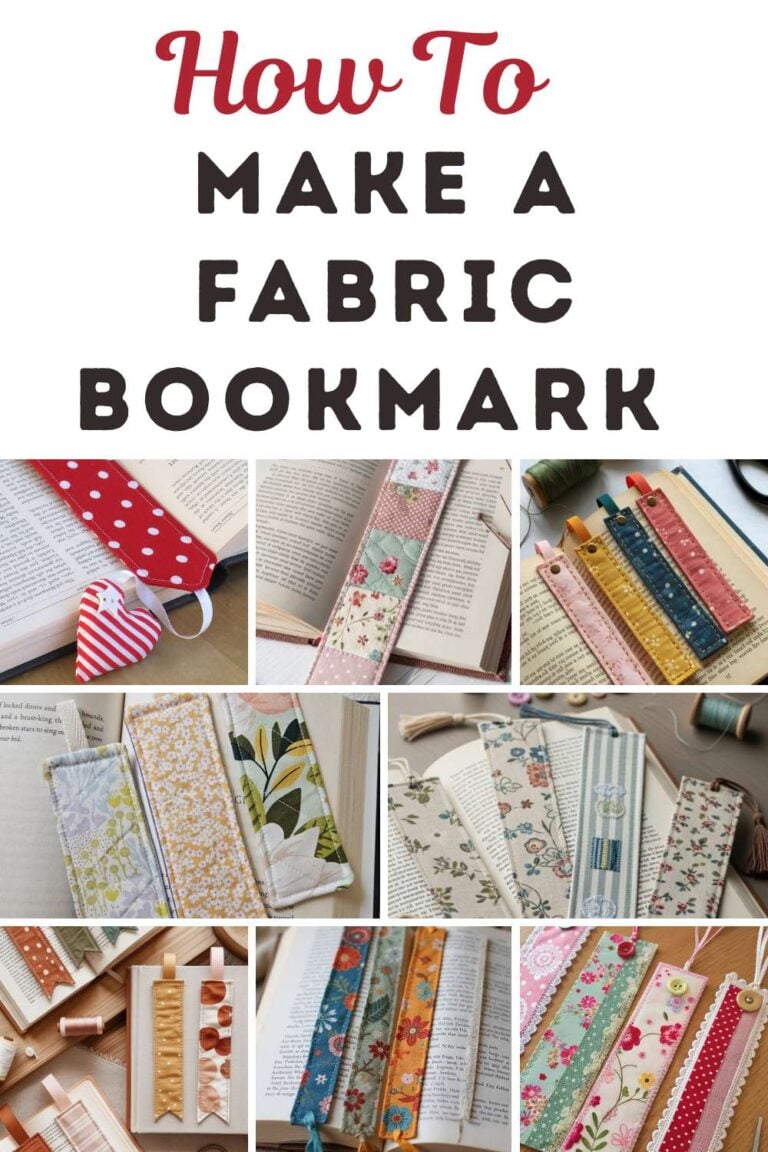
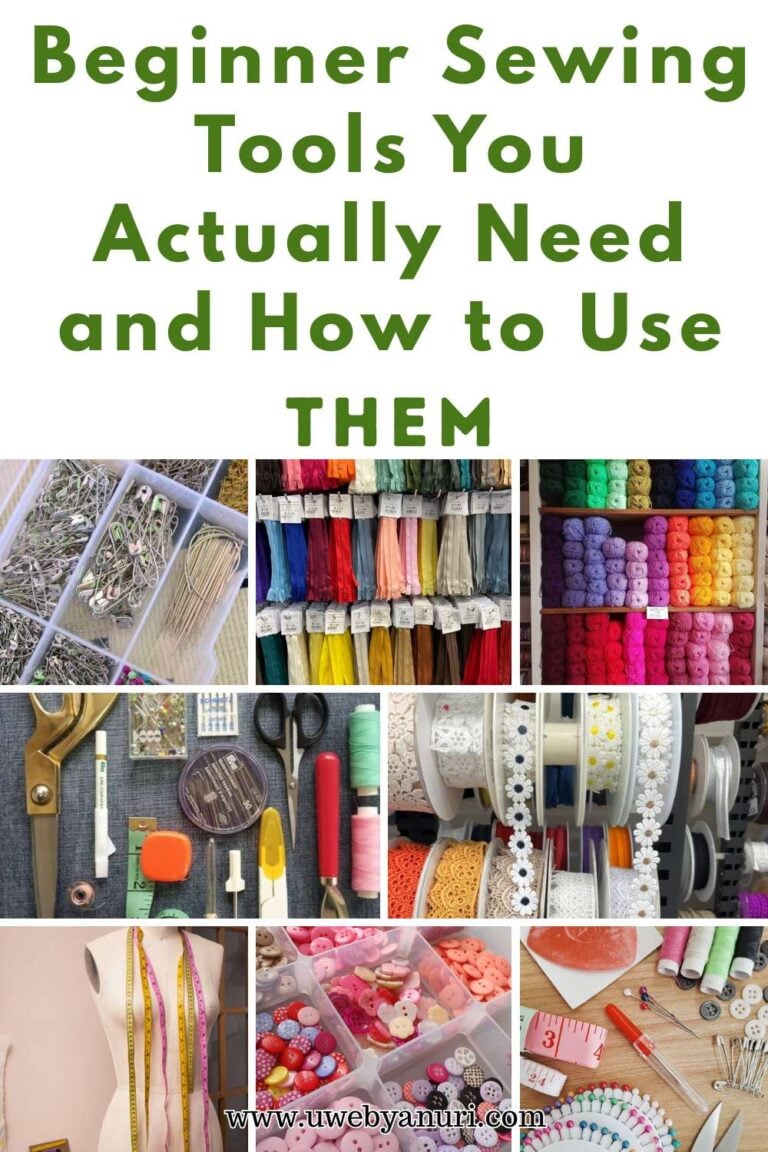
Before you begin sewing, it is important to choose the right fabric. While many different fabrics can work, some materials will provide better results than others. Another great scrap-friendly project is this simple fabric bookmark tutorial.
Personally, I prefer using quilting cotton whenever I make a Hexagon Fabric Coaster Tutorial project. Quilting cotton is durable, easy to sew, and available in countless colors and patterns. Additionally, it presses beautifully, which helps create crisp edges and professional-looking results.
Another excellent option is cotton canvas if you want a slightly sturdier coaster. Canvas provides additional durability while still being easy to work with on a standard sewing machine.
Furthermore, this project offers a fantastic opportunity to mix and match fabrics. For example, you can pair floral prints with coordinating solids or combine seasonal fabrics to create coasters for specific holidays. During autumn, warm oranges, browns, and deep reds create cozy coasters that complement seasonal decor beautifully. Meanwhile, holiday-themed prints can add festive charm to winter gatherings.
The best part is that there are no strict rules. Simply choose fabrics that make you smile whenever you see them.
Materials Needed for This Hexagon Fabric Coaster Tutorial
One of the reasons this project is so popular is that it requires very few supplies.
A. One-quarter yard of cotton fabric. You can use matching fabrics or choose contrasting prints for added visual interest.
B. One-quarter yard of soft padding or lightweight batting. This provides structure and helps absorb moisture from drinks.
C. Matching or contrasting sewing thread depending on your desired look.
D. A sewing machine.
E. Measuring tape or quilting ruler.
F. Pattern paper.
G. Pins or sewing clips.
H. Fabric scissors or a rotary cutter.
I. A pressing iron.
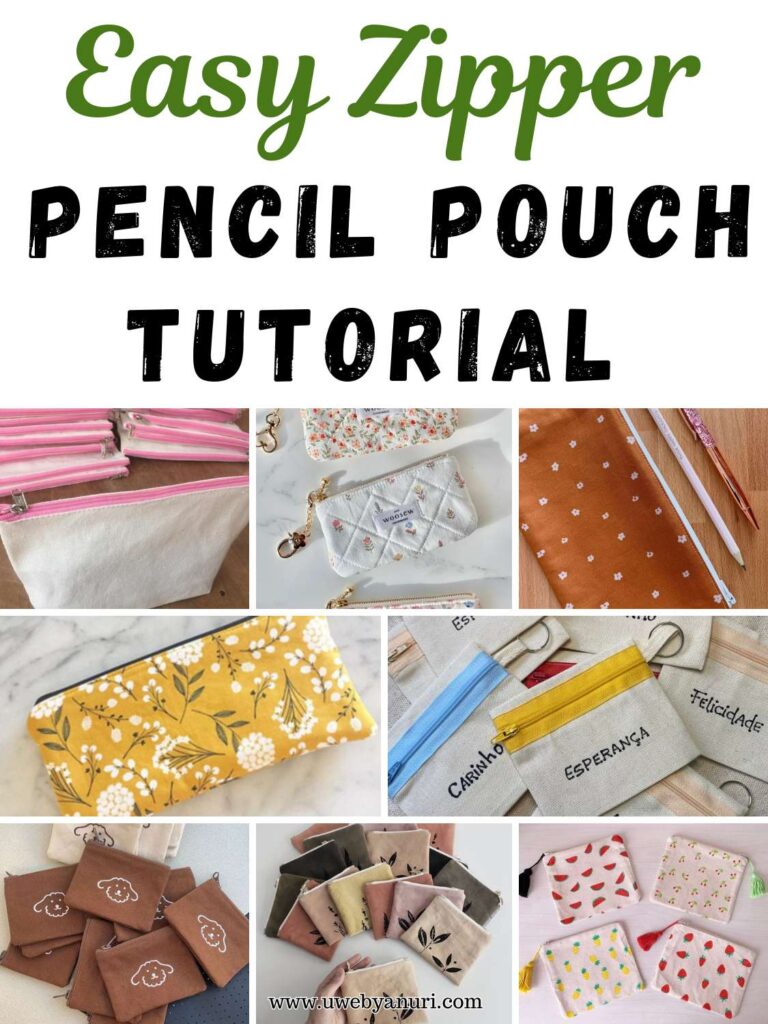
Fortunately, most of these supplies are already found in the average sewing room, making this project extremely budget-friendly. If you’re building your sewing skills, you may also enjoy sewing this easy zipper pencil pouch.
Preparing Your Fabric for the Hexagon Fabric Coaster Tutorial
Before cutting any fabric, I always recommend taking a few minutes to prepare your materials properly. Although it may feel tempting to skip this step, preparation often makes the difference between a good project and a great one. These same preparation techniques are helpful when making a DIY fabric laptop sleeve.
First, wash and dry your fabric if it has not already been prewashed. This helps prevent future shrinking and ensures your finished coaster maintains its shape after cleaning.
Next, press the fabric thoroughly. Wrinkled fabric can lead to inaccurate cutting and uneven seams. Therefore, spending a few extra minutes with the iron can save frustration later.
Finally, lay your fabric on a flat surface and double-check your measurements before making any cuts. Accurate cutting is one of the easiest ways to improve the overall quality of your sewing projects.
Hexagon Fabric Coaster Tutorial Step-by-Step Instructions
Step 1: Cut the Fabric and Padding for Your Hexagon Fabric Coaster Tutorial
Begin by cutting two fabric squares measuring 8 inches by 8 inches. These will form the front and back of your coaster. You can apply these same precision-cutting techniques when creating a heart-shaped fabric coaster.
Next, cut one piece of lightweight batting or soft padding measuring 7.75 inches by 7.75 inches. The slightly smaller size helps reduce bulk around the edges and allows the coaster to lie flatter once finished.
Although the size difference may seem minor, it makes a noticeable difference in the final appearance of the coaster.
Step 2: Create Your Hexagon Pattern
The signature feature of this Hexagon Fabric Coaster Tutorial is, of course, the hexagon shape itself.
Using pattern paper, draw a hexagon approximately 7.5 inches wide. If drawing geometric shapes feels intimidating, you can easily print a template online or use a quilting ruler to guide your measurements.
Take your time during this step because a symmetrical hexagon will help create a polished finished coaster. If you enjoy geometric sewing projects, you’ll love learning how to make a 9-patch quilt block.
Step 3: Cut the Fabric into Hexagon Shapes
Place your hexagon template onto both fabric squares and secure it with pins.
Next, add a quarter-inch seam allowance around the template before cutting. This extra allowance provides room for sewing while preserving the intended size of the coaster.
Then repeat the process with the batting. However, unlike the fabric pieces, cut the batting without adding the seam allowance. This helps reduce thickness around the edges and creates smoother seams.
Step 4: Attach the Padding
Place the batting onto the wrong side of one fabric hexagon.
Then use a warm iron to press the layers together. While this step is simple, it helps keep the batting from shifting during the sewing process. Padding and layering techniques like these are also important when sewing a reversible bowl cozy.
Additionally, it creates a smoother foundation for the finished coaster.
Step 5: Assemble the Hexagon Fabric Coaster
Place both fabric hexagons right sides together with the batting positioned on the outside.
Carefully align all edges and corners before securing the layers with pins or clips.
At this stage, precision is important because properly aligned pieces will produce cleaner edges and more professional results.
Step 6: Sew the Hexagon Fabric Coaster
Using a quarter-inch seam allowance, sew around the entire perimeter of the coaster.
However, leave a two-inch opening along one side. This opening will allow you to turn the coaster right side out later. You’ll practice similar sewing skills in this DIY pot holder sewing tutorial.
As you sew around the corners, take your time and pivot carefully. Sharp corners contribute significantly to the finished appearance of the coaster.
Step 7: Trim and Turn
After sewing, remove the pins and trim the seam allowance slightly.
Next, clip the corners carefully. This reduces excess bulk and allows the corners to turn neatly.
Turn the coaster right side out through the opening.
Then use a blunt turning tool, chopstick, or knitting needle to gently push out each corner. This step requires patience, but it dramatically improves the final shape.
Step 8: Press and Finish Your Hexagon Fabric Coaster Tutorial
Once the coaster is turned right side out, press it thoroughly with an iron.
Carefully fold the raw edges of the opening inward and press them flat.
Then topstitch around the entire coaster approximately one-eighth inch from the edge. This final row of stitching closes the opening while also giving the coaster a clean, professional appearance.
Optional Quilting Ideas for Your Hexagon Fabric Coaster Tutorial
Although the coaster is beautiful as is, adding quilting details can elevate the design even further.
A. Stitch a smaller hexagon in the center to echo the outer shape.
B. Add diagonal quilting lines for a modern appearance.
C. Create a simple crosshatch pattern for added texture.
D. Sew decorative free-motion designs if you enjoy quilting techniques.
Not only do these details add visual interest, but they also help secure the fabric and batting together. If quilting interests you, be sure to read this guide on how to bind a quilt.
Creative Ways to Use Your Hexagon Fabric Coasters
One thing I love about this Hexagon Fabric Coaster Tutorial is its versatility.
A. Use them daily on coffee tables and side tables.
B. Place them under candles to protect furniture surfaces.
C. Create matching sets for holiday gatherings.
D. Include them in housewarming gift baskets.
E. Sell them at local craft fairs and handmade markets.
F. Pair them with mugs and specialty teas as thoughtful handmade gifts.
Because they are both decorative and practical, these coasters fit naturally into many different settings. You can also pair your coasters with a handmade mug cozy for a thoughtful gift set.
Tips for Professional-Looking Hexagon Fabric Coasters
If you want your coasters to look as polished as possible, a few simple techniques can make a huge difference.
First, always measure carefully and cut accurately. Even small measurement errors can become noticeable when working with geometric shapes.
Second, press frequently throughout the project. Ironing may seem like a small detail, but it is one of the secrets behind professional-looking sewing.
Third, maintain a consistent seam allowance. Uneven seams can affect the final shape of the coaster.
Finally, take your time when turning corners. Sharp corners instantly elevate the appearance of any sewing project.
How to Care for Handmade Hexagon Fabric Coasters
One of the advantages of fabric coasters is that they are easy to maintain.
Most cotton coasters can be machine washed on a gentle cycle and laid flat to dry. If needed, a quick press with an iron will restore their crisp appearance.
Additionally, having multiple coaster sets allows you to rotate them while others are being washed.
With proper care, your handmade coasters can remain beautiful and functional for years.
Final Thoughts on This Hexagon Fabric Coaster Tutorial
There is something special about taking a few simple materials and transforming them into something useful, beautiful, and handmade. That is exactly why this Hexagon Fabric Coaster Tutorial remains one of my favorite sewing projects. It is quick enough to complete in an afternoon, yet satisfying enough to leave you feeling genuinely accomplished.
Furthermore, these coasters prove that you do not need expensive materials or advanced sewing skills to create something beautiful for your home. Sometimes the simplest projects become the ones we treasure most because they are used every single day. Every time you place a cup of coffee, tea, or hot chocolate on one of your handmade coasters, you get to enjoy the results of your creativity.
Whether you make one coaster or an entire matching set, I hope this tutorial inspires you to dig into your fabric scraps and start sewing. Not only will you create something practical, but you will also add a personal handmade touch to your home that cannot be purchased in a store. Happy sewing, and enjoy creating your own beautiful set of hexagon fabric coasters.