DIY Reversible Baby Bib Tutorial
Disclosure: Some of the links in this post are affiliate links. This means if you click on the link and purchase an item, I will receive an affiliate commission at no extra cost to you.
There’s something deeply satisfying about sewing for babies. Everything feels softer, slower, and more meaningful. Tiny fabrics, gentle curves, and simple stitches come together to create something that will actually be used and loved every single day. Out of all the baby sewing projects I’ve made, The Reversible Baby Bib remains one of my absolute favorites.
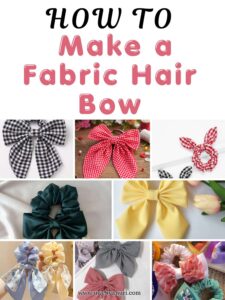
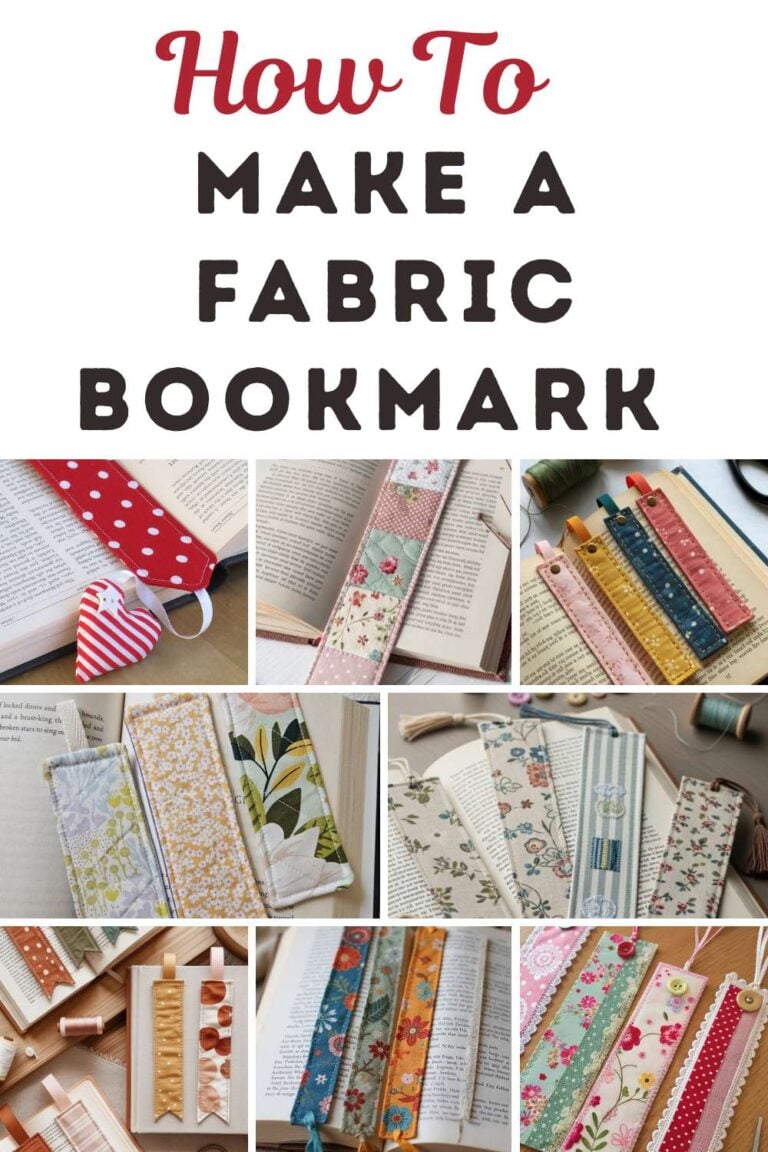
Pin this guide: How to make a fabric bow tie
I still remember the first bib I made. It wasn’t perfect the stitching wasn’t straight, and I had to redo one of the corners twice but when I finally finished it, I couldn’t stop smiling. It was small, soft, and surprisingly professional-looking for something I made from scratch. More importantly, it was useful. That’s the beauty of sewing baby items: they don’t just sit pretty; they serve a real purpose in everyday life.
A reversible baby bib is one of the easiest beginner sewing projects you can try. It’s quick to make, doesn’t require expensive tools, and allows you to experiment with fabrics you already have at home. Even better, it gives you two designs in one, which means double the style without double the effort.
Check this out: Fabric wall pocket sewing tutorials
Whether you’re a beginner learning how to sew, a mom looking for practical baby items, or someone planning handmade gifts for a baby shower, this reversible baby bib tutorial is the perfect project to start with.
Why This Reversible Baby Bib Is the Perfect Beginner Project
If you’re new to sewing, it can sometimes feel overwhelming deciding where to start. Dresses feel too complicated, bags take too long, and home décor projects require precision. That’s where small projects like this bib come in.
Here’s why this project works so well: See; Things i wish i know before i started sewing
✔ Beginner-friendly construction
There are no complicated zippers, buttons, or fitting issues.
✔ Quick to complete
You can finish one bib in under an hour once you understand the steps.
✔ Great fabric scrap project
Perfect for using leftover cotton pieces from other sewing projects.
✔ Practical and useful
Babies use bibs every single day, making this both beautiful and functional.
✔ Reversible design
Two patterns in one bib means more variety and creativity.
When and Why You Would Make This Bib
This project is not just about sewing it’s about purpose. Here are a few real-life ways people use reversible baby bibs:
Baby shower gifts
Handmade gifts always stand out because they feel personal and thoughtful.
Everyday baby use
Perfect for feeding time, drooling, or teething stages.
Sewing practice for beginners
Great way to practice cutting, stitching, and finishing edges.
Small sewing business idea
These bibs sell well at craft markets or online shops because they are affordable and practical.
Read this; 30 Fun sewing projects that sells
Materials You Will Need
One of the best things about this project is how simple the material list is. You don’t need anything fancy.
Fabric and structure:
- ½ yard cotton fabric (two coordinating prints work best)
- ¼ yard soft gum padding OR fusible fleece
Tools:
- Sewing machine
- Matching thread
- Fabric scissors
- Pins or clips
- Measuring tape
- Curve ruler
- Fabric marker or chalk
- Pattern paper
- Iron
Extras:
- 1 yard of 1” ribbon (for ties)
- Hand sewing needle (for finishing)
Fabric Choice Tips (Important for Beginners)
Choosing the right fabric can make or break your project.
Best fabric options:
- Cotton (best for beginners)
- Quilting cotton
- Light canvas (for sturdier bibs)
Avoid:
- Stretchy fabric (harder to sew evenly)
- Very thick fabric (difficult for curves)
Pro tip:
Always choose one fun patterned fabric and one neutral fabric. This makes the reversible effect more visually appealing.
Step-by-Step Reversible Baby Bib Tutorial
Step 1: Draft the Bib Pattern
Start by folding your pattern paper in half. This ensures symmetry.
Measure:
- 9.5” height
- 5” width on the fold
From the top folded corner:
- Mark 2” inward
- Mark 3.5” downward
Now use a curve ruler to gently connect these points, forming the neckline.
Step 2: Shape the Bib Body
This is where your bib starts to look like a real bib.
On the outer edges:
- Mark 1” diagonally inward at the top
- Mark 1” diagonally inward at the bottom
Connect these marks using soft curved lines. This gives the bib its rounded, baby-friendly shape.
Cut it out carefully and unfold you now have a full bib pattern.
Step 3: Cut Fabric and Padding
Place your pattern on fabric and pin securely.
Cut:
- 1 bib shape from Fabric A
- 1 bib shape from Fabric B
- 2 padding pieces (one for each fabric layer)
Step 4: Attach Padding
Iron fusible fleece or gum padding onto the wrong side of both fabric pieces.
This step:
- Adds softness
- Improves durability
- Helps bib hold shape
Step 5: Make Ribbon Ties
Cut two pieces of ribbon, each 12 inches long.
Fold lengthwise and stitch along the edge. This strengthens the ribbon and prevents fraying.
Step 6: Layer and Assemble
Place fabrics right sides together.
Insert ribbon ties at the neckline edges, ensuring raw edges are inside.
Pin everything carefully, leaving a 2-inch gap at the bottom.
Step 7: Sew the Bib
Using a ¼-inch seam allowance, sew around the entire shape.
Go slowly around curves for a smooth finish.
Step 8: Turn and Press
Turn the bib through the opening.
Push out corners gently and press flat with an iron.
This step makes a huge difference in how professional your bib looks.
Step 9: Topstitch Finish
Close the opening by folding edges inward.
Topstitch around the entire bib.
Common Mistakes to Avoid
Even simple projects can go wrong if you rush:
Skipping pressing
Always iron your fabric after each step.
Uneven curves
Take your time when cutting pattern shapes.
Weak ribbon attachment
Make sure ribbons are sewn securely inside seams.
Final Thoughts
A reversible baby bib may seem like a small project, but it’s one of those sewing patterns that teaches you so much while still being simple and enjoyable. It builds confidence, improves your stitching, and gives you something practical at the end.
More importantly, it reminds you that sewing doesn’t have to be complicated to be meaningful. Sometimes, the simplest projects bring the most joy especially when they’re made for little ones.
Once you make your first bib, you’ll probably find yourself making more than you planned. And honestly, that’s the beauty of sewing.