10 Best Quilt Patterns for Beginners
Disclosure: Some of the links in this post are affiliate links. This means if you click on the link and purchase an item, I will receive an affiliate commission at no extra cost to you.
If you’ve ever looked at a quilt and thought, “Wow, I could never make that,” I get you. Quilts can look complicated with all those shapes, colors, and intricate designs. But here’s the secret: every quilt, no matter how big or fancy, starts with something simple which is a quilt block; and some patterns are much easier for beginners than others.
If you’re new to sewing, you might find 21 easy sewing projects for complete beginners helpful. It’s full of simple projects to get your confidence up before tackling your first quilt.
When you’re starting out, the right pattern can make a huge difference. The wrong pattern can leave you frustrated, doubting your abilities, or worse, giving up before you even finish your first block. But the right one? It will make you fall in love with quilting and feel proud with every stitch.
In this post, we’re going to look at 10 quilt patterns that are perfect for beginners. These patterns are simple, forgiving, and a lot of fun to make. You won’t need to stress about complicated cuts, tricky angles, or advanced techniques. Instead, you’ll focus on learning the basics, experimenting with color, and building confidence.
You may want to brush up on some 10 sewing tips for a perfect finish before starting, they’ll help your quilt blocks look polished.
10 Best Quilt Patterns for Beginners
1. The Nine Patch Quilt
The Nine Patch is like the classic quilt block every beginner starts with. It’s simple, repetitive, and forgiving. Each block has nine squares arranged in three rows of three, which makes it easy to visualize and piece together.
What makes the Nine Patch so great for beginners is its predictability. Once you get the hang of sewing squares together, the rest is just repetition. Plus, it gives you a lot of room to play with colors and patterns without feeling overwhelmed.
Even better, you can use scrap fabric for this pattern, so it’s budget-friendly and practical. Many beginners find it satisfying to see their pieces quickly come together into a neat, balanced block. By the time you make several blocks, you’ll feel like you’ve already accomplished something big.
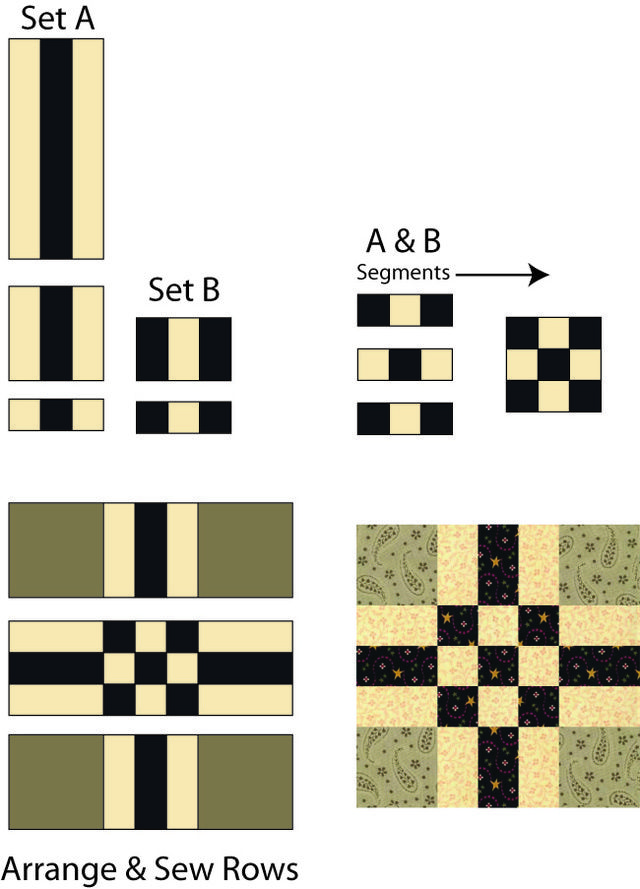
If you want a detailed guide on how to make a quilt block step by step, this is a great post to check out while planning your Nine Patch.
2. The Four Patch Quilt
If you think the Nine Patch is simple, the Four Patch is even simpler. Each block is made of just four squares; two by two. So it’s easy to cut, easy to sew, and easy to manage.
The Four Patch is perfect for absolute beginners because it focuses on straight lines and right angles. You don’t have to worry about complex shapes or angles. It’s also a great way to practice matching seams and keeping your blocks square.
This pattern is often used in baby quilts or small throw quilts because it’s quick to make and visually clean. Beginners love the Four Patch because it gives quick results, which is encouraging when you’re just starting out.
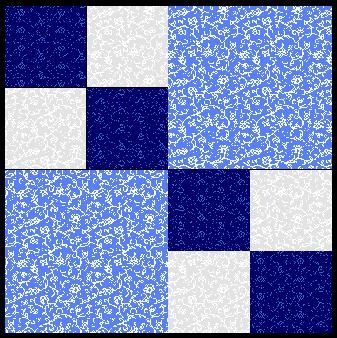
If you’re looking for extra guidance with straight seams, check out how to sew a neat straight line(beginner friendly guide).
3. The Rail Fence Quilt
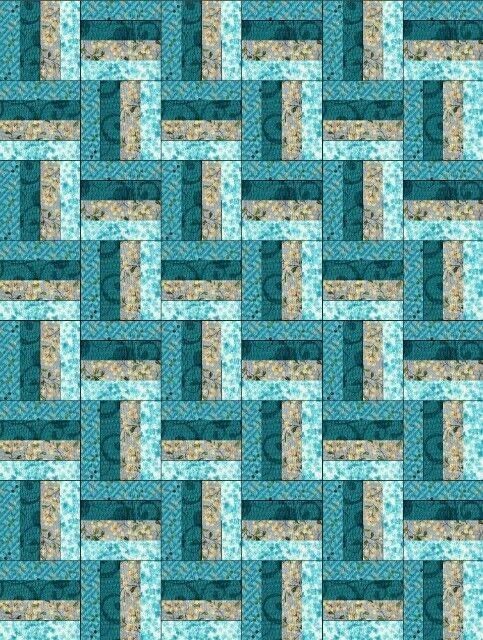
The Rail Fence pattern is a simple but visually striking pattern made of strips sewn together in alternating directions. Imagine a fence made of wooden rails; that’s basically what this pattern looks like.
It’s a beginner favorite because you only work with rectangles instead of squares, which makes cutting and sewing more straightforward. You can also play with color placement and strip widths to make your quilt look more complex than it actually is.
Rail Fence quilts are easy going, too. Even if your seams aren’t perfect, the pattern can hide minor mistakes. Plus, it’s fun to watch the blocks form a dynamic, almost zigzagging visual effect as you piece them together.
Recommended for you: Top 10 quilting patterns for beginners.
4. The Log Cabin Quilt
The Log Cabin is a classic pattern that’s beginner-friendly because of its step-by-step building method. Each block starts with a small square in the center, and then strips (or “logs”) are added around it in layers.
What makes the Log Cabin appealing is its versatility. You can make a traditional design with light and dark fabrics, or experiment with modern color layouts for a fresh look. The blocks are error-friendly; if one strip isn’t perfect, it rarely ruins the whole block.
For beginners, the Log Cabin is also rewarding because it grows quickly. You start with a small center, and before long, the block looks substantial and satisfying. Many quilters find this pattern motivating, as it encourages them to finish multiple blocks and see the quilt come together quickly.
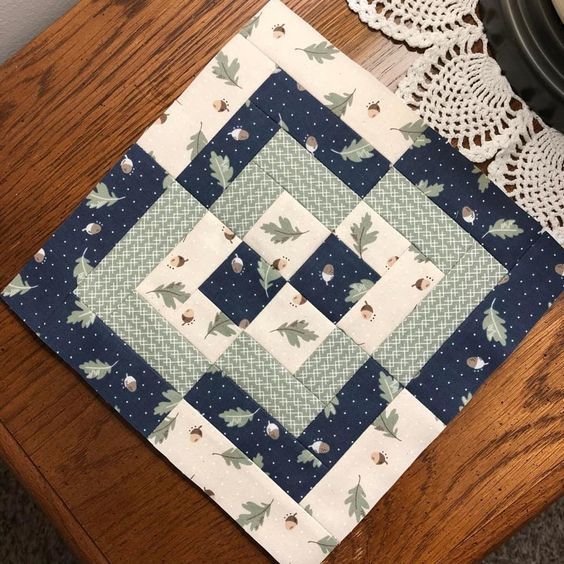
This is a great pattern to experiment with fabric scraps; you might also enjoy 35 easy sewing projects to make with scrap for inspiration.
5. The Pinwheel Quilt
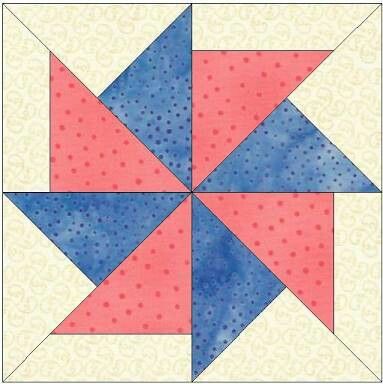
The Pinwheel pattern is playful and energetic. It’s made up of triangles that spin around a center point, creating a wheel-like effect.
For beginners, triangles can sound intimidating, but Pinwheel blocks are often cut in simple half-square triangles, which are easy to manage with a little practice. What makes it beginner-friendly is the repetition and symmetry. Once you make a few triangles, you start to understand how they fit together.
Pinwheel quilts are great for using contrasting colors. You can make them vibrant and bold, or soft and pastel; the choice is yours. The pattern is also flexible; small inaccuracies can blend into the overall spinning effect, making it feel less stressful than some intricate designs.
6. The Churn Dash Quilt
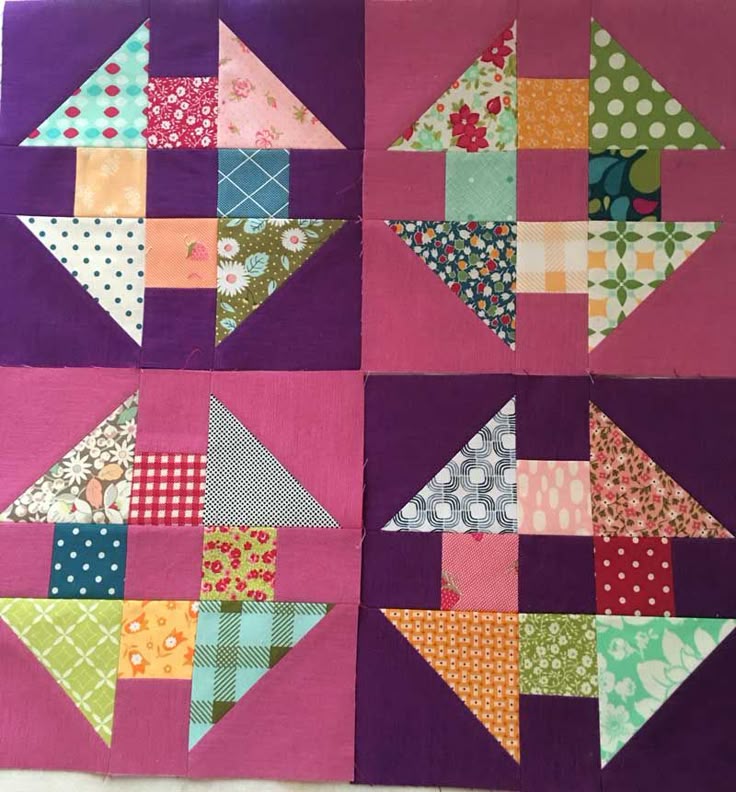
The Churn Dash is another classic block that’s one of the best quilt patterns for beginners. Its shape is simple: a center square with rectangles and triangles around it, forming a “dash” shape that looks like an old-fashioned butter churn handle.
What’s great about the Churn Dash is that it introduces beginners to triangles without being overwhelming. You get to practice cutting, sewing, and arranging pieces in a way that’s structured and forgiving.
It’s also versatile. You can create traditional color layouts, or experiment with modern fabrics to make it fresh and contemporary. Beginners often find it satisfying to see how a few simple shapes come together into a charming, recognizable pattern.
7. The Ohio Star Quilt
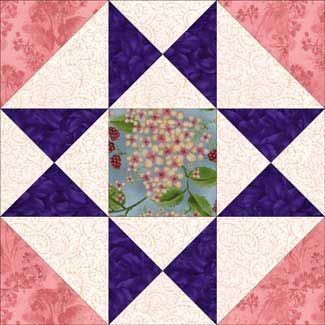
The Ohio Star pattern is a classic and iconic quilt block. It’s made up of a central square surrounded by triangles forming a star shape. While it might sound tricky, the block is very beginner-friendly when using half-square triangles.
One reason it’s so popular as one of the best quilt patterns for beginners is that it’s easy to visualize the star. You can clearly see where each piece goes, which makes sewing less intimidating. Plus, the symmetry of the star is forgiving; if one corner is slightly off, the eye often doesn’t notice.
Ohio Star quilts are beautiful, timeless, and versatile. They can be made with bright, playful fabrics, or soft, calming colors. This makes it a great pattern for beginners who want to explore creativity while still keeping things simple.
You can pair this pattern with ideas from 25 easy things to sew for your bedroom to turn your blocks into cozy pillows or small décor items.
8. The Nine Patch Variation Quilt
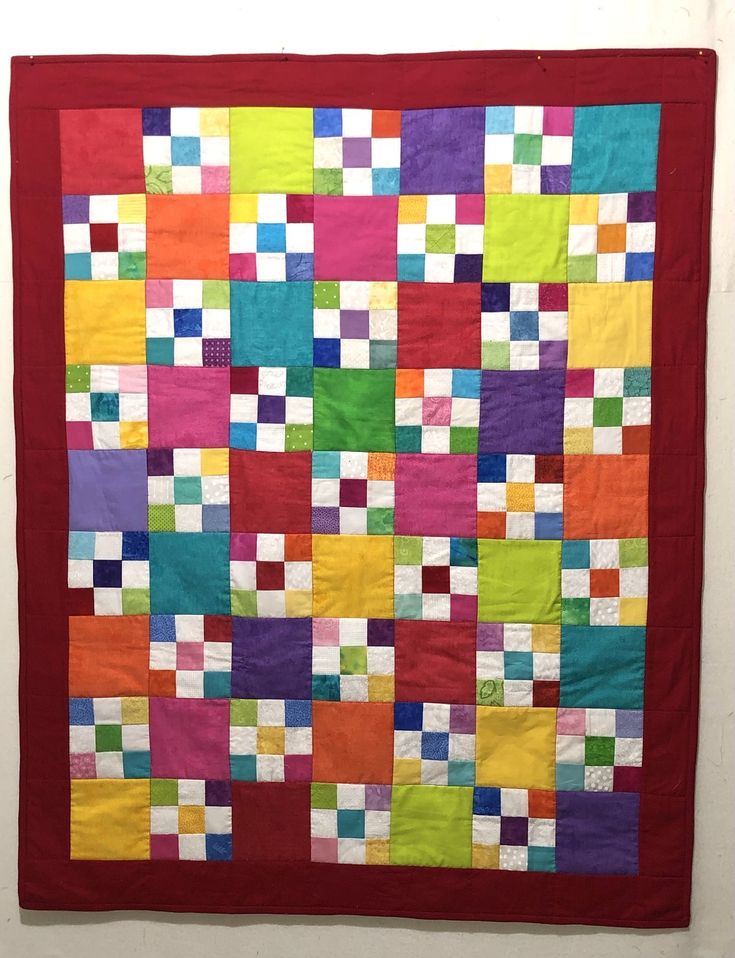
Once beginners are comfortable with the basic Nine Patch, they often try variations. This could be changing the color arrangement, adding extra small squares in the corners, or rotating the blocks for a new effect.
Nine Patch variations are great for beginners because they build on a pattern you already know. You don’t have to learn anything completely new, but you get to play with color, layout, and scale. This is one of the 10 best quilt patterns for beginners.
These variations can make a quilt look more intricate and professional, even if the techniques are still beginner-level. It’s a fantastic way to build confidence before moving on to more complicated patterns.
9. The Snowball Quilt
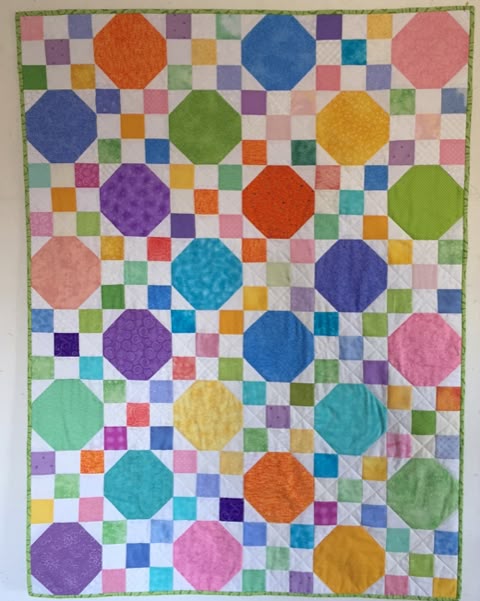
The Snowball pattern is simple but elegant. It uses squares with clipped corners to create a soft, rounded effect when blocks are joined.
For beginners, the Snowball is a gentle introduction to shapes that aren’t straight-edged squares or rectangles. It helps you practice precision and learn how blocks come together without being overly complicated.
The Snowball pattern also works beautifully with color placement. Beginners can experiment with contrast or subtle shades to create a soft, harmonious quilt. Even a small quilt in this pattern looks polished and satisfying.
If you want inspiration for turning beginner quilts into gifts, check out 50 things to sew and give as gifts.
10. The Hourglass Quilt
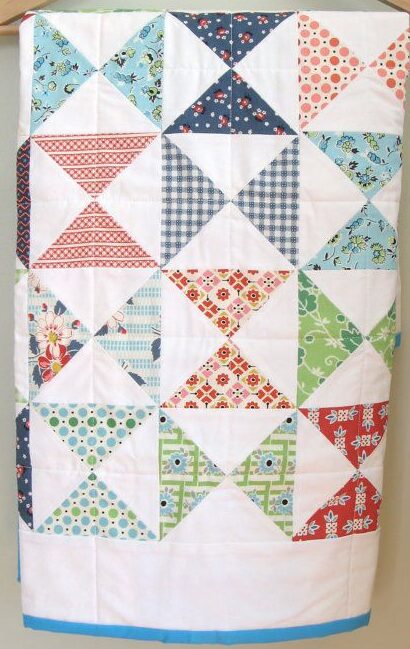
The Hourglass block is a beginner-friendly pattern made from two triangles forming a simple “X” shape. It’s bold, geometric, and visually striking without requiring advanced skills.
What makes it one of the best quilt patterns for beginners is its simplicity and repetition. Once you make a few blocks, the layout becomes intuitive. You also get to experiment with contrasting fabrics to make the “X” pop.
Hourglass quilts are flexible as well. Slight imperfections in seam alignment often blend into the pattern. This makes it perfect for building beginner confidence while creating a quilt that looks dynamic and interesting.
Why These Patterns Are Perfect for Beginners
All the patterns listed above have one thing in common: they’re simple, error-friendly, and rewarding. As a beginner, the most important thing is to feel confident, see results quickly, and enjoy the process.
Some patterns, like the Nine Patch and Four Patch, are excellent for practicing basic cutting and sewing skills. Others, like the Pinwheel or Snowball, introduce shapes like triangles in a manageable way. And patterns like the Log Cabin or Rail Fence let you experiment with color and layout, giving your quilt personality without overwhelming complexity.
The best part is that even with beginner-friendly patterns, you can create quilts that look professional and beautiful. These blocks give you the freedom to explore fabrics, colors, and arrangements. You can mix traditional prints with modern fabrics, or use scraps to create something unique and meaningful.
If you want quick beginner projects using your quilt blocks, check out 35 quick sewing projects you can finish under an hour.
Choosing Your First Quilt Pattern
When picking your first pattern, consider these tips:
- Start Simple: Don’t choose a pattern with too many small pieces or tricky angles. Patterns like Nine Patch or Four Patch are perfect for this.
- Think About Color: Pick fabrics that contrast well so your block shapes are visible. Simple patterns are great for experimenting with colors.
- Use Scraps: Beginner quilts are perfect for using leftover fabrics. Patterns like Nine Patch and Four Patch are ideal for this.
- Start Small: Don’t commit to a huge quilt for your first project. A few blocks sewn together can be a cushion cover or a wall hanging and that’s enough to practice and feel accomplished.
- Have Fun: The first quilt is about learning and enjoyment, not perfection. Choose a pattern that excites you visually and inspires creativity.
Final Thoughts
Quilting doesn’t have to be intimidating. Starting with beginner-friendly patterns allows you to build skills, explore creativity, and experience the joy of making something with your own hands.
The 10 patterns we’ve discussed: Nine Patch, Four Patch, Rail Fence, Log Cabin, Pinwheel, Churn Dash, Ohio Star, Nine Patch Variations, Snowball, and Hourglass, are all approachable for beginners. They’re forgiving, visually appealing, and teach fundamental skills that will prepare you for more complex quilting projects in the future.
Remember, quilting is as much about enjoying the process as it is about the finished product. Every block you make, every color combination you experiment with, is a step toward becoming more confident and skilled.
So, if you’ve been thinking about starting quilting, pick one of these patterns, gather your fabrics, and just start. You’ll be amazed at how quickly your blocks start to come together, and how much pride you’ll feel with each stitch.
With practice, patience, and the right beginner patterns, you’ll soon see that quilting is not just doable; it’s fun, creative, and deeply rewarding.