
15 Pricing Mistakes That Cost Crochet Sellers Money
Disclosure: Some of the links in this post are affiliate links. This means if you click on the link and purchase an item, I will receive an affiliate commission at no extra cost to you.
I thought pricing would be one of the easiest parts of running a small business. I would add up the cost of yarn, choose a number that felt fair, and list the item for sale. It did not take long to realize that many of those prices left very little money in my pocket. Looking back, I can see that several crochet pricing mistakes were quietly reducing my income.
Many crochet sellers put a lot of effort into creating beautiful handmade products. Hours of work go into every stitch, yet many makers struggle to earn what their work is worth. A few small pricing errors can have a big effect on profits over time. Understanding these crochet pricing mistakes can help you set prices with confidence and keep more money from every sale.
If you’re just starting your crochet business, these profitable business ideas can help you build a stronger foundation from the beginning: 31 Profitable Crochet Business Ideas You Can Start With Little Money
1. Charging Only for Yarn
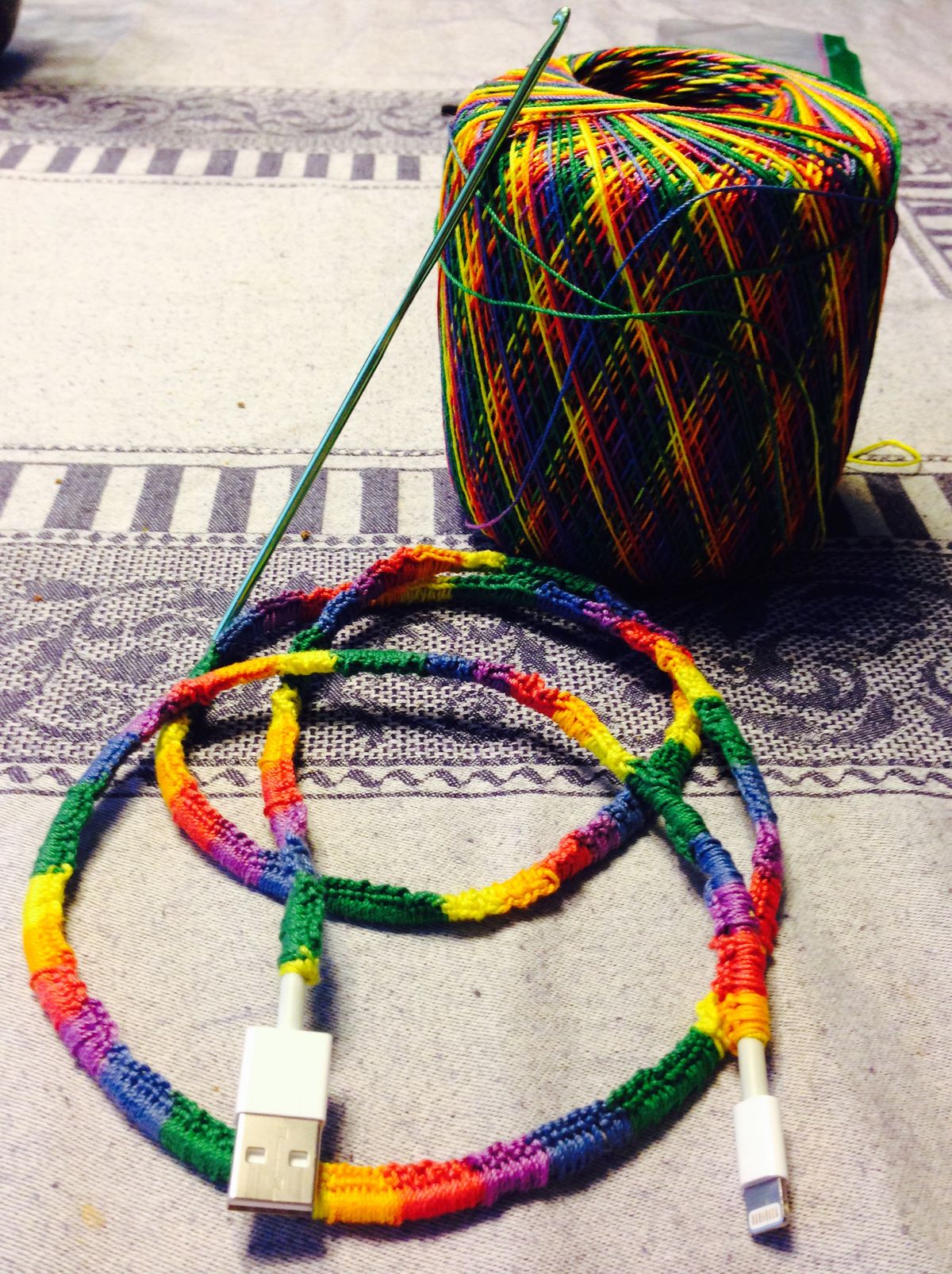
Many new crochet sellers calculate the cost of a project by looking only at the yarn they used. A skein may cost a few dollars, which makes the finished item seem inexpensive. This approach leaves out many other costs that are part of creating a handmade product.
Crochet hooks wear out. Scissors need replacing. Storage supplies, labels, and packaging all cost money. A product price should reflect more than just the yarn. Every supply used in the business plays a role in the final cost of an item.
Pricing becomes much easier when you focus on products that customers already love to buy. Explore some of the best-selling crochet items: 25 Crochet Products That Customers Buy Again and Again
2. Forgetting to Pay Yourself for Your Time
Time is one of the most valuable parts of any crochet project. A blanket, sweater, or amigurumi toy may require several hours of work. Many sellers forget to place a value on those hours when setting prices.
Selling handmade products should reward your skill and effort. If a project takes six hours to complete, those hours deserve compensation. Leaving labor out of your pricing can lead to long workdays with very little income to show for them.
3. Ignoring Small Supply Costs
Small supplies may not seem important when pricing a crochet item. Stitch markers, sewing needles, stuffing, safety eyes, tags, and tape often cost only a little on their own. Many sellers leave these expenses out because they focus only on yarn and labor.
Knowing how much your products can earn starts with choosing the right niche. These growing crochet niches are worth exploring: 27 Crochet Niches That Are Growing Fast and Worth Selling In
Those costs add up over many projects. A few cents here and there can reduce your earnings over time. One of the common crochet pricing mistakes is assuming these supplies do not matter. Including every material cost gives you a clearer picture of what each item actually costs to make.
4. Copying Another Seller’s Prices
It can be tempting to look at another crochet shop and use similar prices. Many sellers do this because they want to stay competitive. The problem is that every business has different expenses, skills, and goals.
One seller may buy yarn in bulk while another pays retail prices. One may crochet full-time while another treats it as a hobby. Their numbers may not fit your situation. Your prices should reflect your own costs and the value of your work.
One of the best ways to protect your profits is by improving every part of your business. These practical tips can help you earn more without working longer hours: 17 Ways Successful Crochet Sellers Increase Their Profits Without Working More
5. Underpricing to Get More Sales
Many crochet sellers lower their prices because they hope it will attract more customers. A low price may bring attention to a product. It can also create a situation where you work hard and earn very little money.
One of the best ways to protect your profits is by improving every part of your business. These practical tips can help you earn more without working longer hours: 17 Ways Successful Crochet Sellers Increase Their Profits Without Working More
Customers who appreciate handmade items often understand that quality work takes time. One of the most costly crochet pricing mistakes is setting prices so low that every sale feels exhausting. A sustainable business needs prices that support both the seller and the product.
6. Not Tracking Business Expenses
A crochet business involves many expenses beyond making products. Shipping labels, craft fair fees, website costs, payment processing fees, and marketing expenses can affect your profits. These costs are easy to overlook when sales start coming in.
Keeping track of your material costs becomes easier when you choose projects that customers buy repeatedly: 25 Crochet Products That Customers Buy Again and Again
Keeping records helps you understand where your money goes. A simple notebook or spreadsheet can reveal expenses that might otherwise be forgotten. Accurate records make it easier to set prices that support the long-term health of your business.
7. Offering Too Many Discounts
Discounts can help attract customers during special events or holiday seasons. Some crochet sellers offer them so often that customers begin to expect lower prices all the time. This can make it difficult to sell products at their regular value.
Successful crochet businesses understand both pricing and marketing. These simple marketing ideas can help you attract more paying customers: 23 Marketing Ideas That Help Crochet Businesses Get More Customers
Each discount reduces the amount of money you earn from a sale. A small reduction may not seem important at first. Repeated discounts can have a large effect on profits over several months. Your prices should support your business even when sales are slow.
Offering discounts works best when you already have a strong marketing plan. These proven ideas can help you increase sales without constantly lowering your prices: 23 Marketing Ideas That Help Crochet Businesses Get More Customers
8. Forgetting Packaging Costs
Every crochet item needs some form of packaging before it reaches a customer. Mailers, boxes, tissue paper, thank-you cards, stickers, and labels all come with a cost. Many sellers buy these supplies without including them in their pricing calculations.
Packaging expenses may appear small when viewed separately. They become significant after dozens of orders. Many crochet pricing mistakes happen because sellers focus only on making the product and overlook the cost of preparing it for delivery.
9. Not Including Shipping Expenses
Shipping can quickly reduce profits when it is not planned for properly. Some sellers offer free shipping without calculating how much it will cost to send their products. Others guess the shipping cost and end up paying part of it themselves.
Understanding your expenses is only one part of building a profitable business. These side hustle ideas can help you create additional income streams: 35 Crochet Side Hustle Ideas That Can Grow Into a Full-Time Business
A crochet business should account for every expense connected to an order. Weighing products and checking shipping rates can prevent unexpected costs. Knowing these numbers helps you create prices that protect your earnings.
10. Pricing Custom Orders Too Low
Custom crochet orders often require extra communication, planning, and adjustments. A customer may request special colors, unique sizes, or design changes. These requests add time to the project and should be reflected in the final price.
Many sellers charge the same amount for custom work as they do for ready-made items. This can lead to long hours spent on a project with little financial reward. Custom orders should include compensation for the additional effort involved.
11. Charging the Same Price for Every Product
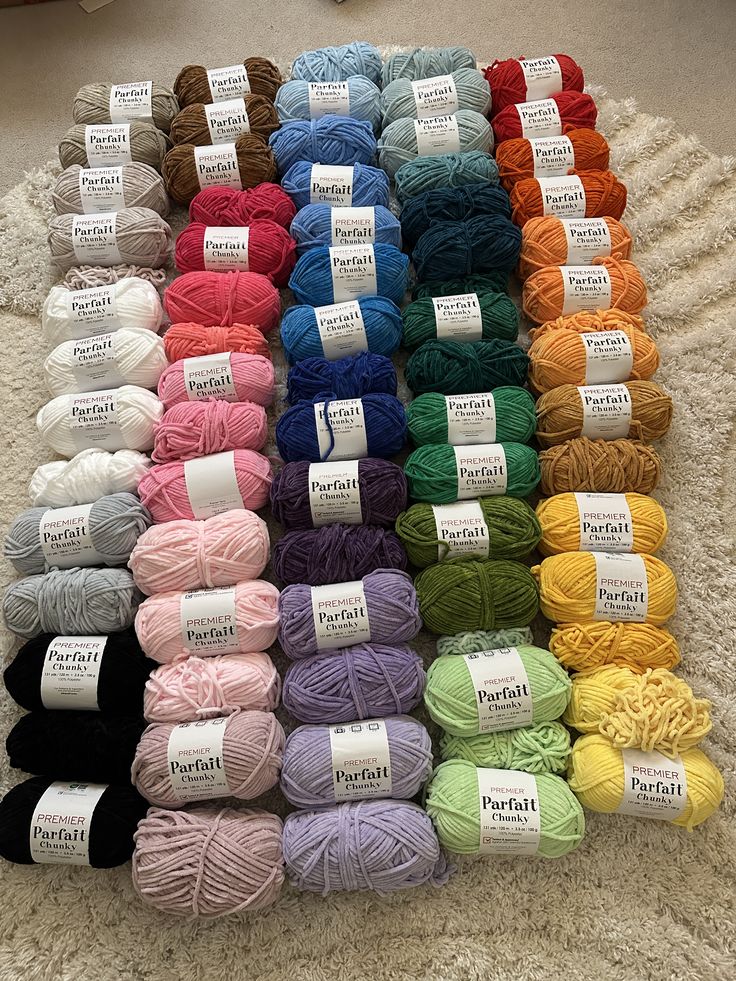
Not every crochet item requires the same amount of work.
A simple coaster may take less than an hour to make, while a blanket can require many days of stitching.
Using one pricing method for every product can create problems for your business.
Different products use different amounts of yarn, labor, and supplies. One of the crochet pricing mistakes many sellers make is treating all projects as if they have the same value. Each item deserves a price based on its actual costs and the time invested in creating it.
12. Not Raising Prices When Costs Increase
The cost of yarn, packaging materials, and shipping services can change over time. Some crochet sellers keep the same prices for years because they worry customers may not accept an increase. This decision can slowly reduce profits.
A business needs prices that reflect current expenses. When costs rise, your pricing should be reviewed. Small adjustments can help protect your earnings and keep your crochet business financially healthy as expenses change.
13. Ignoring Market Demand
Some crochet products attract more interest than others. Seasonal decorations, baby gifts, and trendy accessories often receive attention at certain times of the year. Pricing without considering demand can limit your earning potential.
Paying attention to customer interest can help you make informed pricing decisions. Products that require special skills or are highly requested may support a higher price. Understanding demand allows you to price your work with greater confidence.
14. Accepting Unprofitable Orders
Not every order is worth accepting. Some customers may ask for large projects while expecting very low prices. Others may request several changes without wanting to pay extra. Taking these orders can consume valuable time and resources.
Many crochet pricing mistakes happen because sellers fear turning down work. A project that does not cover costs can hurt your business. Evaluating each request before accepting it helps you focus on orders that support your goals and income.
15. Not Reviewing Prices Regularly
Pricing is not something you set once and forget. Business expenses, skill levels, and customer demand can change throughout the year. Regular reviews help ensure your prices continue to reflect the true value of your work.
Looking at your prices every few months can reveal areas that need adjustment. This habit helps you stay aware of costs and maintain healthy profit margins. A small review today can prevent larger financial problems later.
Conclusion
Many crochet sellers work hard to create beautiful handmade products, yet pricing errors can reduce the income they earn from each sale. Taking time to identify crochet pricing mistakes can help you build a business that rewards your effort and creativity.
A strong pricing strategy includes materials, labor, business expenses, packaging, and shipping costs. It also reflects the value of your skills and experience. Avoiding these crochet pricing mistakes can help you earn more from your work and create a crochet business that supports your long-term goals.