
How to Read Crochet Abbreviations (Beginner-Friendly Guide)
I know that I’m not the only one who got so confused reading crochet patterns as a beginner. If you’ve ever opened a crochet pattern and felt confused by words like ch, sl st, htr, tr, inc, dec, you’re not alone.
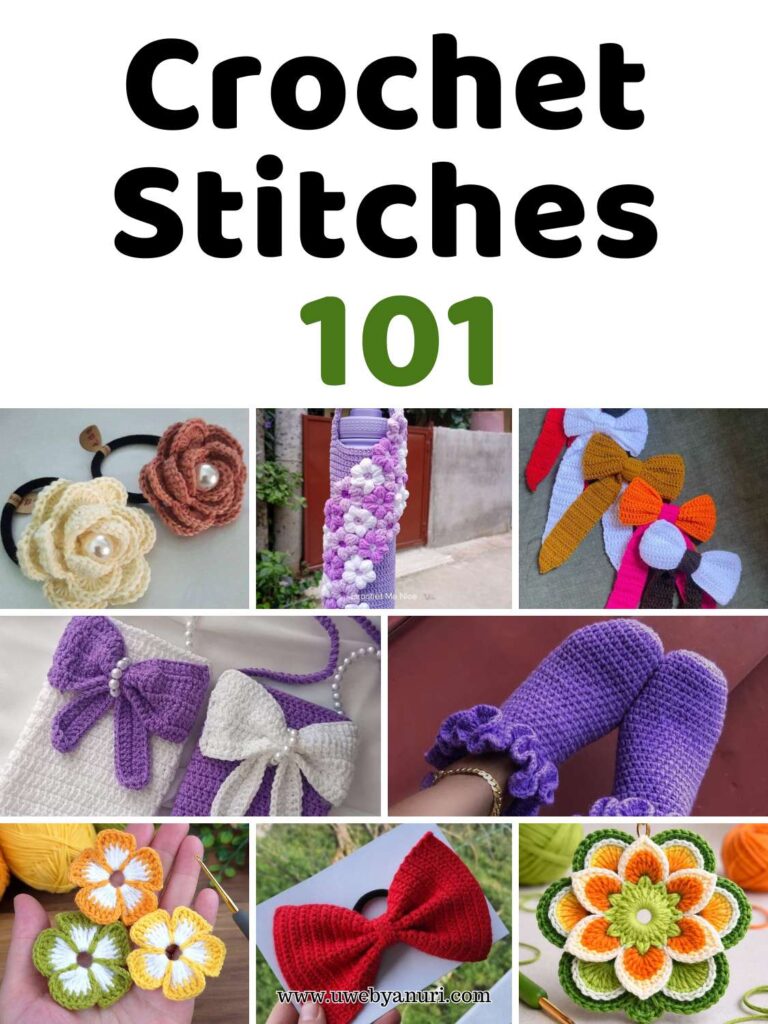
A lot of beginners quit crochet not because they can’t stitch… but because they can’t read patterns. Once they understand abbreviations, everything clicks.…but because they can’t read patterns. If you’re unsure about basic stitches, check out my Crochet Stitches 101 guide to familiarize yourself with the most common stitches.”
Crochet patterns can look like a secret code. Letters, numbers, brackets, symbols it can feel overwhelming. You might even think, “Maybe crochet isn’t for me.”
But here’s the truth: crochet abbreviations are not complicated. They are simply short ways of writing instructions.
Once you understand what they mean, reading a crochet pattern becomes easy. You’ll move from guessing to confidently following instructions. You’ll stop feeling stuck. You’ll actually enjoy the process.
And that’s exactly what this guide will help you do.
In this beginner-friendly tutorial, I’m going to break everything down in simple, everyday English. No confusing explanations. No complicated language. Just clear steps that help you understand what each abbreviation means and how to read patterns without fear.…differences between UK and US terms. You’ll see these abbreviations in action in beginner projects like the Beginner Friendly Crochet Card Holder Tutorial or the Crochet Scrunchie Tutorial
Why Crochet Patterns Use Abbreviations
Crochet patterns can get very long if every word is written out fully.
For example:
Instead of writing “Make one chain stitch”, patterns simply write ch 1.
This saves space and makes the pattern quicker to follow once you know what the abbreviations mean.
Think of it like a secret language once you understand it, you can read any pattern with confidence.
UK vs US Crochet Terms
Before we jump in, there’s one important thing you need to know:
Crochet terms are written differently in the UK and the US.
Here’s a quick guide:
| UK Term | US Term | Example |
| dc (Double Crochet) | sc (Single Crochet) | UK “dc” is shorter than US “dc” |
| htr (Half Treble) | hdc (Half Double) | Common in UK patterns |
| tr (Treble) | dc (Double) | Taller stitch |
| dtr (Double Treble) | tr (Double Treble) | Very tall stitch |
Beginner Tip: Always check at the start of a pattern to see whether it’s UK or US terms.
Common Crochet Abbreviations (Beginner-Friendly)
Here are the most common abbreviations you’ll see in beginner patterns:
Basic Stitches
- ch – Chain
- sl st – Slip Stitch
- dc – Double Crochet (UK)
- htr – Half Treble Crochet
- Alt – Alternate (ing)
- Approx – approximately
- Beg – Beginning
- Cm – centemetre
- Cont – continue (ity)
- G – Gram(s)
- Hdc – Half double crotchet
- Mm – Millimetre (s)
- Oz – Ounce(s)
- Pat – Pattern
- Rem – Remain (ing)
- Rep – Repeat
- Reverse (sc) – reverse single crotchet
- Rnd(s) – Round
- st(s) – stitch(es)
- Tog – Together
- Ws – Wrong side
- You – Yarn over hook
- tr – Treble Crochet
- dtr – Double Treble Crochet
Pattern Instructions
- st – Stitch
- sts – Stitches
- sp – Space
- rep – Repeat
- inc – Increase (make two stitches in one stitch)
- dec – Decrease (combine stitches together)
- tog – Together
How to Read a Crochet Pattern Step by Step
Let’s break it down with an example pattern so you can see how abbreviations are used.
Example:
Row 1: ch 15
- Make 15 chain stitches. That’s your foundation chain.
Row 2: tr in 4th ch from hook
- Make a treble crochet in the fourth chain from your hook.
Row 3: 2 tr in next st
- Make two treble crochets in the same stitch. This is an increase.
See how simple it is once you read it slowly? Each abbreviation tells you exactly what to do.
Understanding Brackets and Asterisks
Sometimes you’ll see something like this:
(tr, ch 1) in next st
- Do everything inside the brackets in the same stitch.
Or this:
*tr, ch 1* rep across
- Repeat the instructions between the asterisks across the row.
Brackets and asterisks are just ways to organize the pattern, so you don’t have to write the same instructions over and over.
Common Mistake to Avoid
One of the most common mistakes beginners make is skipping or misreading abbreviations.
For example:
- Misunderstanding ch 2 vs ch 3 at the start of a row.
- Confusing UK and US terms (like thinking a UK dc is the same as a US dc).
- Forgetting to repeat instructions inside brackets or asterisks.
These small errors can make your project look uneven or change the shape completely.
Tip: Take your time, read the pattern carefully before you start, and always check your stitch count at the end of each row or round. This helps you catch mistakes early.
Final Thoughts
Reading crochet patterns may seem tricky at first, but it’s just like learning a new language.
Once you understand abbreviations, symbols, and pattern structure, you’ll be able to follow any pattern confidently and create beautiful projects without frustration.
Remember: every expert crocheter was once a beginner. They too struggled with ch, sl st, tr, and htr.
Start small, practice regularly, and don’t be afraid to make mistakes. Each stitch you crochet brings you closer to becoming a confident maker.
don’t be afraid to make mistakes. Once you feel confident, try beginner-friendly projects like Crochet Scrunchie Tutorial, Beginner Friendly Crochet Card Holder Tutorial, or Simple Crochet Bow Tie Tutorial to apply your skills.”
Crochet is not just about following a pattern, it’s about creating something with your own hands. Enjoy the process, celebrate small victories, and most importantly… have fun!


2 Comments