Beginner Sewing Tools You Actually Need and How to Use Them.
Sewing is more than just a hobby it’s a skill that lets you create your own clothes, accessories, and home decor. But for beginners, the world of sewing can feel overwhelming. Walking into a store full of scissors, threads, needles, and gadgets can make you wonder: what do I really need to start? The truth is, you don’t need everything at once. A few essential tools will help you start sewing efficiently and confidently.
When I first started sewing, I remember staring at the shelves full of colorful threads and shiny scissors, convinced I needed them all. I even bought a fancy rotary cutter that I didn’t know how to use yet! It turns out, I could have started with just a handful of tools, learned how to use them well, and still created beautiful projects.
This guide is designed to help beginners like you figure out the tools that truly matter. From the sewing machine to thread snips, pins, and even tailor’s chalk, I’ll explain what you need, how to use it, and share practical examples to make your sewing journey smoother and more enjoyable.
1. A Reliable Sewing Machine
Your sewing machine is your best friend. Even if you enjoy hand stitching, a machine saves time and gives a polished finish. For beginners, look for a basic model that can do straight and zigzag stitches.
Example: I started with a simple Singer model. It could only do the basic stitches, but it allowed me to make pillow covers, tote bags, and even simple skirts without frustration.
How to use it:
- Read the manual carefully.
- Practice stitching on scrap fabric to get familiar with speed, tension, and stitch selection.
- Cover it when not in use to protect it from dust. Tip: A dependable machine is better than a fancy one. You can upgrade as your skills grow.
2. Scissors That Actually Cut
A sharp pair of fabric scissors is essential. Using the wrong scissors can ruin your fabric and make cutting frustrating.
Example: I once tried cutting fabric with my kid’s safety scissors and ended up with jagged edges that made sewing almost impossible. Since switching to a proper fabric scissors, cutting has become precise and enjoyable.
How to use them:
- Keep dedicated fabric scissors only for cloth.
- Use small all-purpose scissors or thread snips for trimming threads or cutting paper patterns.
- Avoid cutting paper with fabric scissors to keep them sharp.
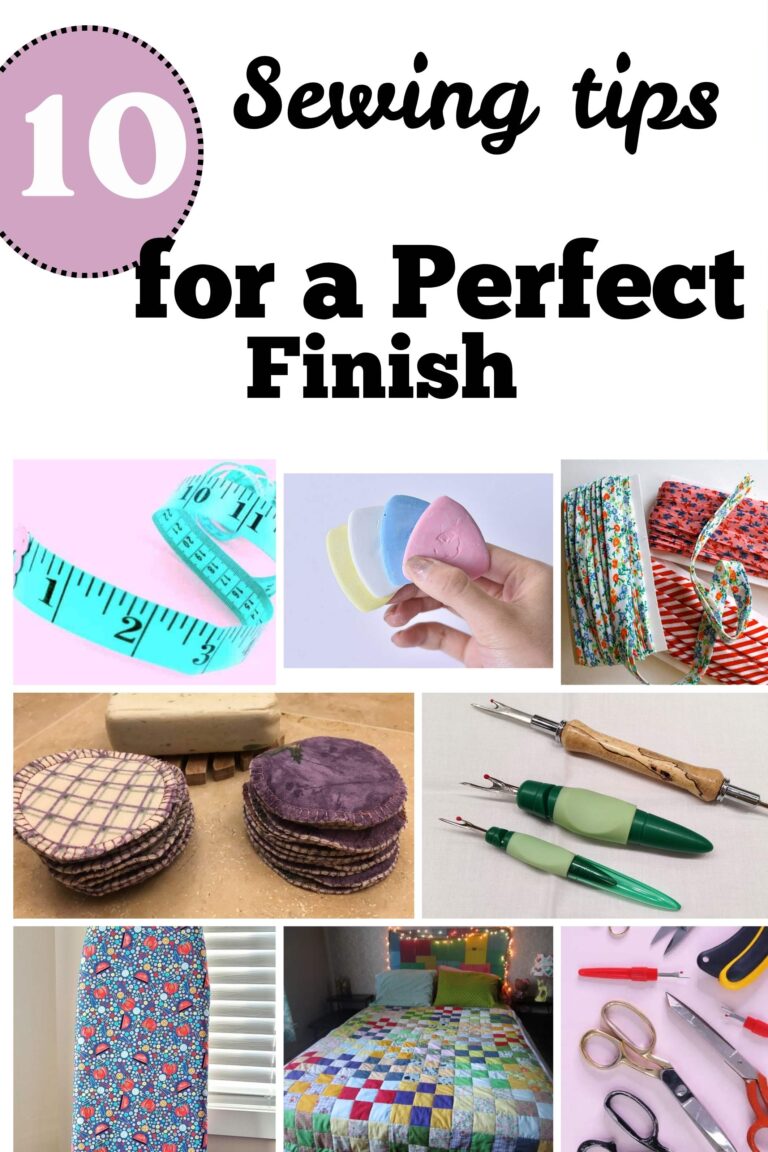
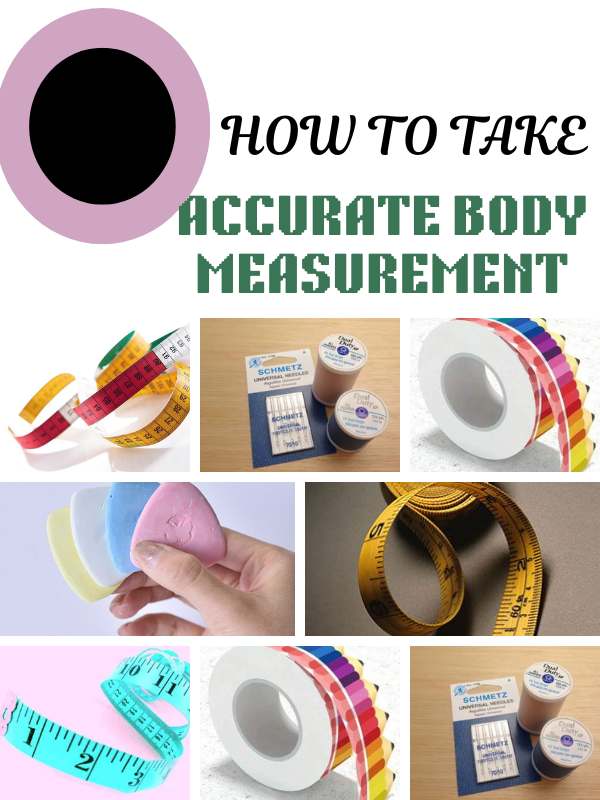
3. Measuring Tape and Rulers
Accurate measurements are the backbone of great sewing. A flexible tape measure helps measure body curves, while a ruler ensures straight hems and pattern markings.
Example: When I made my first dress, I only had a tape measure. I learned that even small mistakes in measurement could make a skirt too tight or sleeves too long. Adding a clear ruler helped me mark straight edges and even hems with confidence.
How to use them:
- Measure carefully and double-check before cutting.
- Use a flexible tape for curves and a straight ruler for straight lines.
- French curves are helpful for armholes and necklines. Tip: A small ruler and a 60-inch tape measure are enough to get started.
4. Hand Sewing Needles
Even with a machine, hand sewing is unavoidable for finishing touches or attaching buttons.
Example: I made a tote bag and needed to hand-stitch the straps inside the lining. Using a medium-size needle worked perfectly.
How to use them:
- Keep a variety of sizes for different fabrics.
- Store needles in a small box to avoid rust.
- Use a thimble to protect your fingers during long stitches.
5. Threads
Choose basic colors like black, white, and gray to start. Darker shades hide mistakes better, while matching threads give a clean finish.
Example: I once used neon orange on a dark fabric fun for learning, but it showed every uneven stitch. Switching to a matching gray made the seams invisible.
How to use them:
- Match thread type to fabric (cotton for cotton, polyester for stretch fabrics).
- Keep spools neatly stored to prevent tangling.
- Test on scrap fabric before sewing the main piece.
6. Pins and a Pincushion
Pins hold fabric in place while sewing and prevent slipping.
Example: I was making a skirt and didn’t pin the pleats. The fabric shifted, and the pleats were uneven. A simple pincushion fixed that problem.
How to use them:
- Use rust-proof, sharp pins.
- Keep pins in a pincushion or magnetic holder near your machine or cutting table.
- Extra fine pins work well for delicate fabrics.
TIP:A wrist pincushion keeps pins handy while moving around the workspace.
7. Tailor’s Chalk or Fabric Markers
Marking tools help transfer patterns and indicate fold lines, hems, or stitch lines.
Example: While making a blouse, I used chalk to mark darts and seams. When I ironed it after stitching, everything was perfectly aligned.
How to use them:
- Use chalk on dark fabrics and washable markers on light fabrics.
- Test on scrap fabric first.
- Avoid pressing over marks until sewing is complete.
8. Iron and Ironing Board
Pressing fabric is essential for a professional finish.
Example: My first pillowcases looked wrinkled and messy until I pressed the seams as I sewed.
How to use them:
- Press seams as you sew.
- Use steam for cottons and pressing cloths for delicate fabrics.
- Ensure the board is padded and wrinkle-free.
9. Seam Ripper
Mistakes are part of learning. A seam ripper saves your fabric from permanent errors.
Example: I accidentally stitched the waistband of my skirt upside down. A seam ripper fixed it in minutes.
How to use it:
- Gently slide under the stitch to remove it.
- Be careful not to cut the fabric.
- Keep a spare seam ripper you’ll use it more than you expect.
10. Sewing Tools You Can Do Without (Beginner-Friendly Optional Tools)
These tools are nice to have but aren’t critical when starting:
- Cutting table – helps lay out fabric for accurate cuts.
- Sleeve board – perfect for pressing small areas like sleeves.
- Sewing gauge – measures hems, tucks, and pleats accurately.
- Carbon sheets – transfers patterns onto fabric.
- Loop turner – turns narrow tubes of fabric inside out.
- Beeswax – coats thread for smooth hand sewing.
- Needle threader – makes threading needles easier.
- Bias binding tape maker – folds bias tape perfectly.
- Point turner – shapes sharp corners on collars or cuffs.
- Tailor’s awl – guides fabric or makes small holes.
- Glue stick – temporarily holds fabric pieces together.
- Binder clips – alternative to pins for thick fabrics.
- Hem gauge – helps mark hems evenly.
- Button hole cutter – makes neat buttonholes.
- Dress form – assists in fitting and draping garments.
Extra Tools (Specialized or Advanced)
These are optional tools you may want as you grow your sewing skills or explore niche projects:
- Serger – finishes seams and works well with knit fabrics.
- Tailor’s ham – for pressing curved seams.
- Needle board – used for pressing textured fabrics like velvet.
- Embroidery plate – for machine embroidery projects.
- Eyelet making tools – adds holes and grommets for design.
- Tweezers – helps handle small pieces or appliques.
- Magnifying glasses – useful for fine details like beads or intricate embroidery.
- Rotary cutter & self-healing mat – Great for cutting multiple fabric layers evenly.
- Tracing wheel & carbon paper – Helps transfer patterns accurately.
- Bodkin – Perfect for threading elastic or drawstrings.
- Thread snips – Handy for trimming loose threads quickly.
- Good lighting – Makes sewing easier on your eyes.
Wrapping Up
For beginners, the key is to focus on essentials first. A good sewing machine, scissors, needles, threads, pins, measuring tools, and some patience will get you started. As your skills grow, you can add more advanced tools to make your sewing easier and more enjoyable.
Remember, sewing is a journey. Start small, make mistakes, learn from them, and most importantly, have fun creating beautiful projects. Your sewing toolbox will grow as you do, and every tool will have its purpose.
Tip: Don’t rush to buy everything at once. Start with the basics, master them, and then gradually expand your collection as needed.