15 Crochet Stitches Every Crafter Should Learn
Disclosure: Some of the links in this post are affiliate links. This means if you click on the link and purchase an item, I will receive an affiliate commission at no extra cost to you.
When I first learned to crochet, I thought every project used the same stitch. I picked up my hook, made a few rows, and wondered how other crocheters created blankets with beautiful textures, soft scarves, and detailed flowers. It did not take long for me to realize that learning new stitches could completely change the look of a project. That is why I believe every crocheter should spend time practicing the basic stitches before moving on to more advanced patterns. These crochet stitches every crafter should learn will help you build confidence and enjoy every project even more.
You do not need to learn dozens of stitches in one day. I started with one new stitch at a time and practiced it on small swatches before using it in a real project. Each stitch taught me something different, and every new skill made crocheting feel easier and more enjoyable. These crochet stitches every crafter should learn will give you a strong foundation for blankets, scarves, hats, home décor, toys, and many other handmade projects.
Why Learning Different Crochet Stitches Matters
Every crochet stitch creates a different texture, thickness, and appearance. Some stitches work up quickly, while others create beautiful details that make handmade projects stand out. Learning a variety of stitches gives you more freedom to choose the right look for every pattern.
You also become more confident when reading crochet patterns. Instead of feeling nervous about unfamiliar instructions, you already know how many stitches work and where they look best. If you are building your crochet skills, you may also enjoy 17 Crochet Mistakes Beginners Make (And How to Avoid Them) before starting your next project.
Tips Before You Practice New Stitches
Choose a smooth, light-colored yarn when learning a new stitch. It makes every loop easier to see and helps you spot mistakes before they become difficult to fix. Pair your yarn with the hook size recommended on the yarn label for the best results.
Practice each stitch on a small square instead of jumping straight into a large project. This gives your hands time to remember the movement without feeling rushed. Keeping your practice swatches also lets you compare textures and see how much your skills improve over time.
1. Chain Stitch
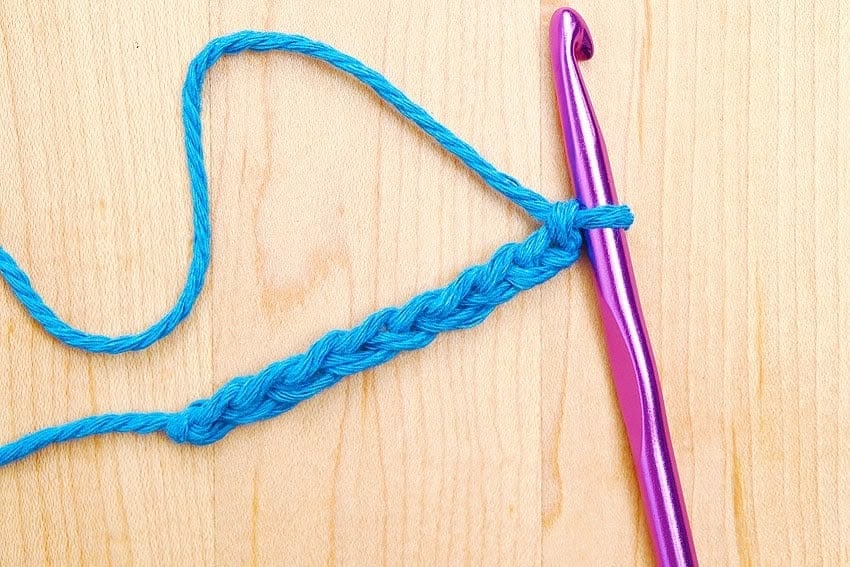
The chain stitch is the first stitch every crocheter learns. It creates the foundation for almost every crochet project, from blankets and scarves to hats and toys. Making even chains helps the rest of your project stay neat and easy to crochet.
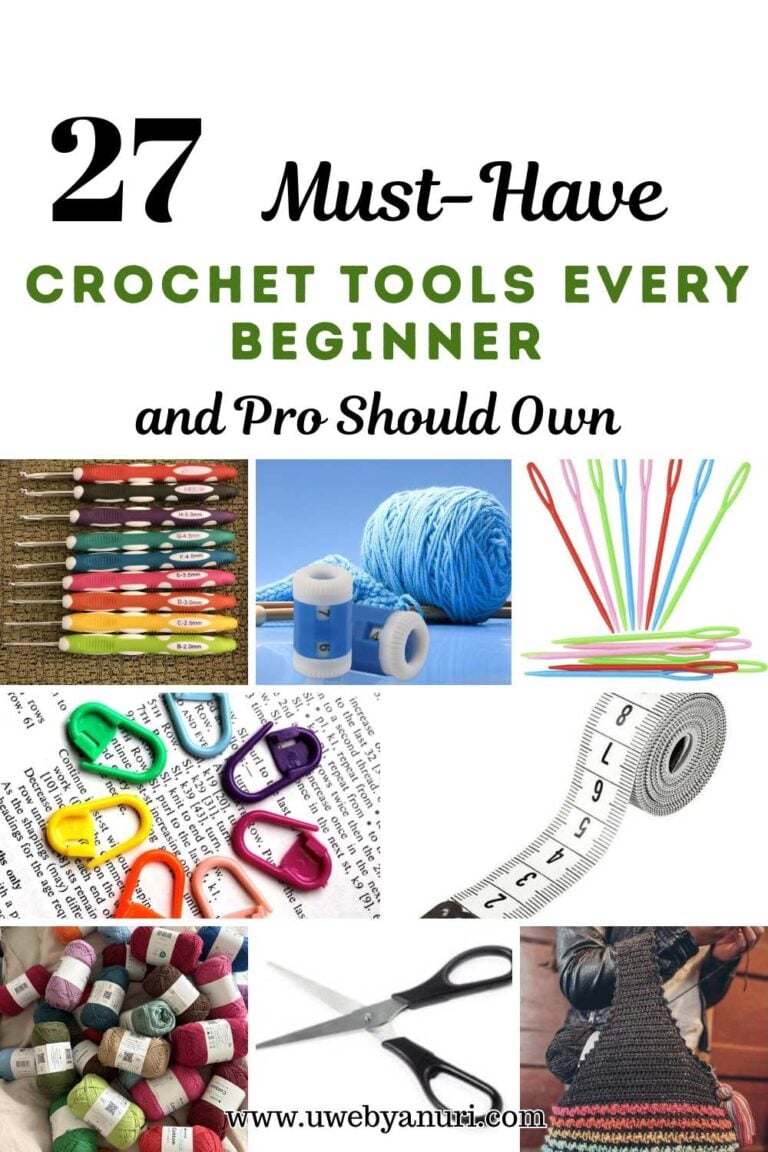
Spend time practicing chains until they all look the same size. Loose chains can make your project uneven, while tight chains make the next row difficult to work. If you are just beginning your crochet journey, 27 Must-Have Crochet Tools Every Beginner and Pro Should Own will help you choose the right supplies.
2. Slip Stitch
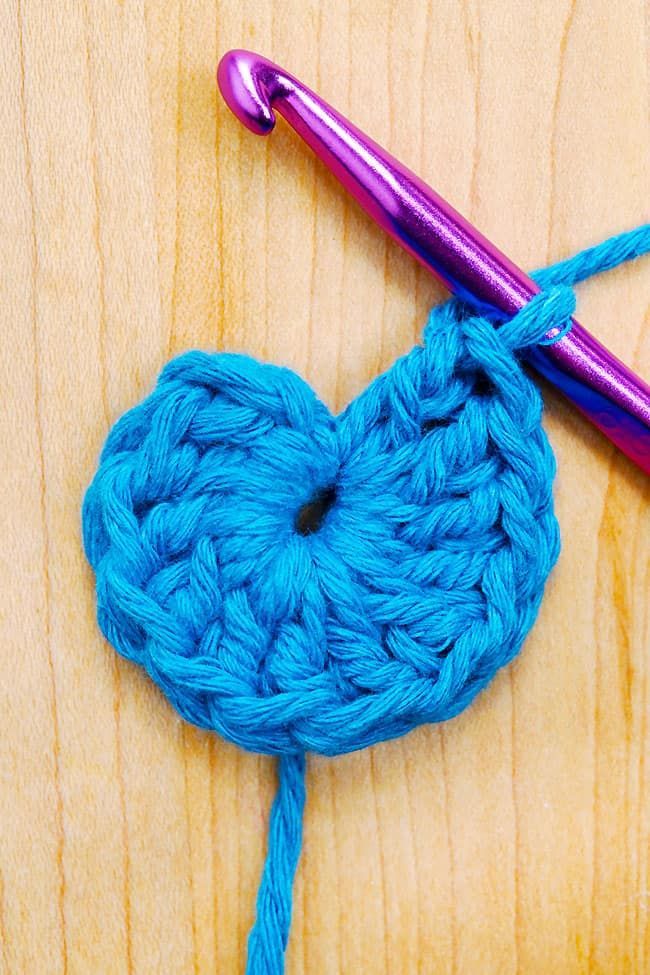
The slip stitch is one of the smallest crochet stitches, but it has many important uses. You can join rounds, move across stitches without adding height, or create clean edges on finished projects. Every crocheter uses this stitch often.
Practice making smooth slip stitches without pulling the yarn too tightly. Gentle tension keeps your work flexible and makes finishing projects much easier. Many crochet stitches every crafter should learn become easier once you master this simple stitch.
3. Single Crochet Stitch
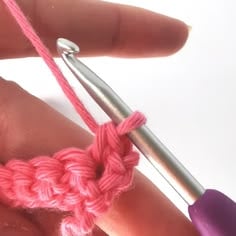
The single crochet stitch creates a firm, dense fabric that works well for baskets, toys, dishcloths, and home décor. It is one of the easiest stitches to learn and appears in thousands of crochet patterns.
Focus on keeping every stitch the same height. Even rows create a neat finish and help your projects look more professional. This stitch builds confidence because it is simple enough for beginners but useful for every skill level.
4. Half Double Crochet Stitch
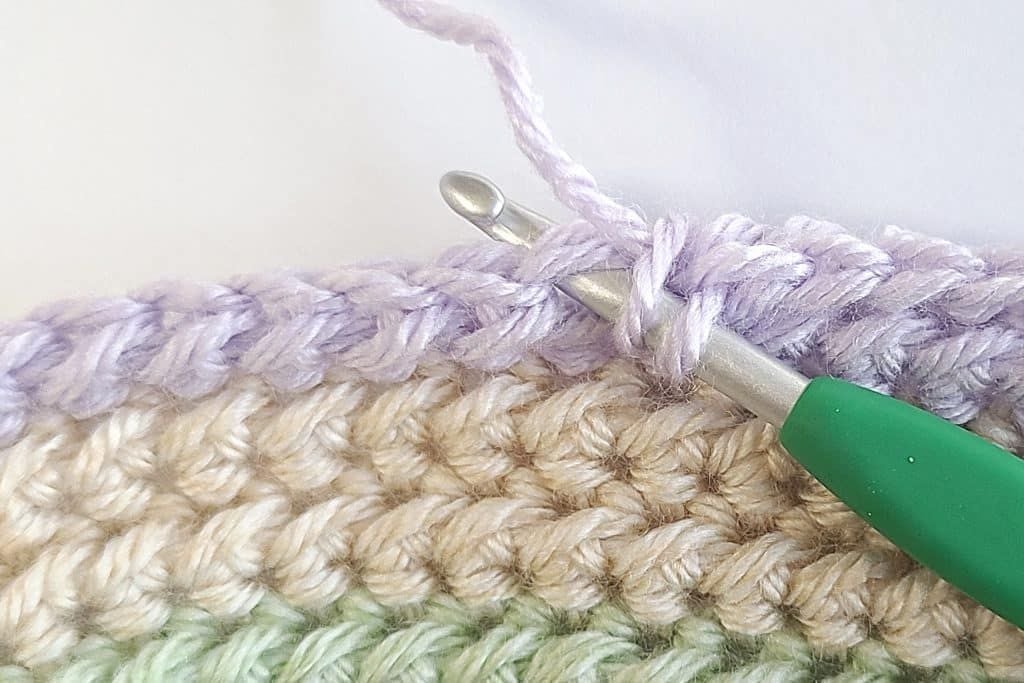
The half double crochet stitch sits between the single crochet and double crochet in height. It creates a soft texture while helping projects grow faster than single crochet. Blankets, hats, scarves, and sweaters often use this versatile stitch.
Practice yarn tension as you work through each row. The more even your stitches become, the smoother your finished project will look. This is one of the crochet stitches every crafter should learn because it works well in so many patterns.
5. Double Crochet Stitch
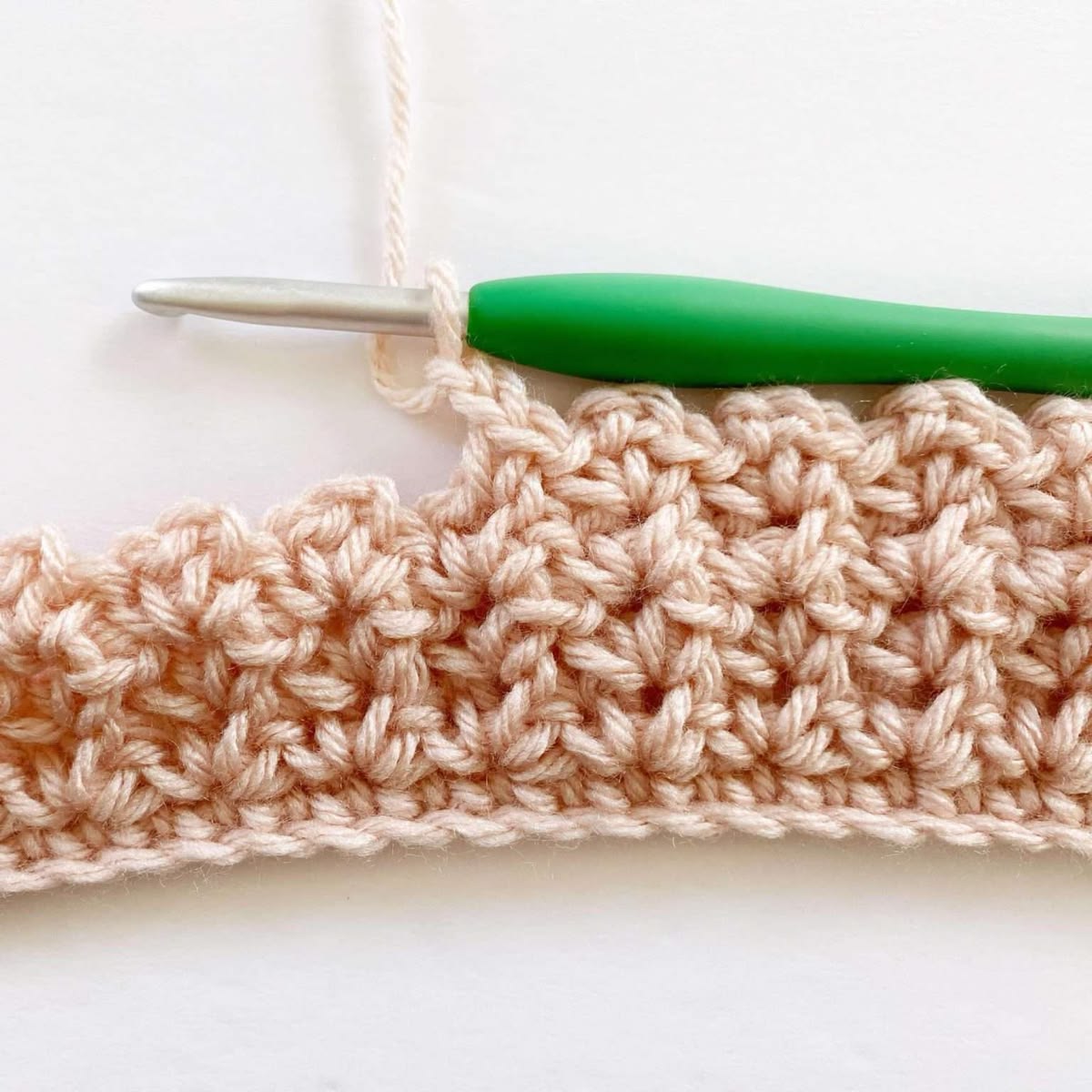
The double crochet stitch is loved because it builds projects quickly while creating a soft and flexible fabric. It works beautifully for blankets, shawls, cardigans, and many wearable projects. The taller stitches also make patterns easier to see.
Take your time counting stitches at the end of every row to keep your edges straight. Once you feel comfortable with this stitch, you will notice it appears in many beginner and advanced crochet patterns. If you enjoy making cozy blankets, explore 19 Beautiful Crochet Blanket Patterns You’ll Want to Make This Year for projects that make great use of this classic stitch.
6. Treble Crochet Stitch
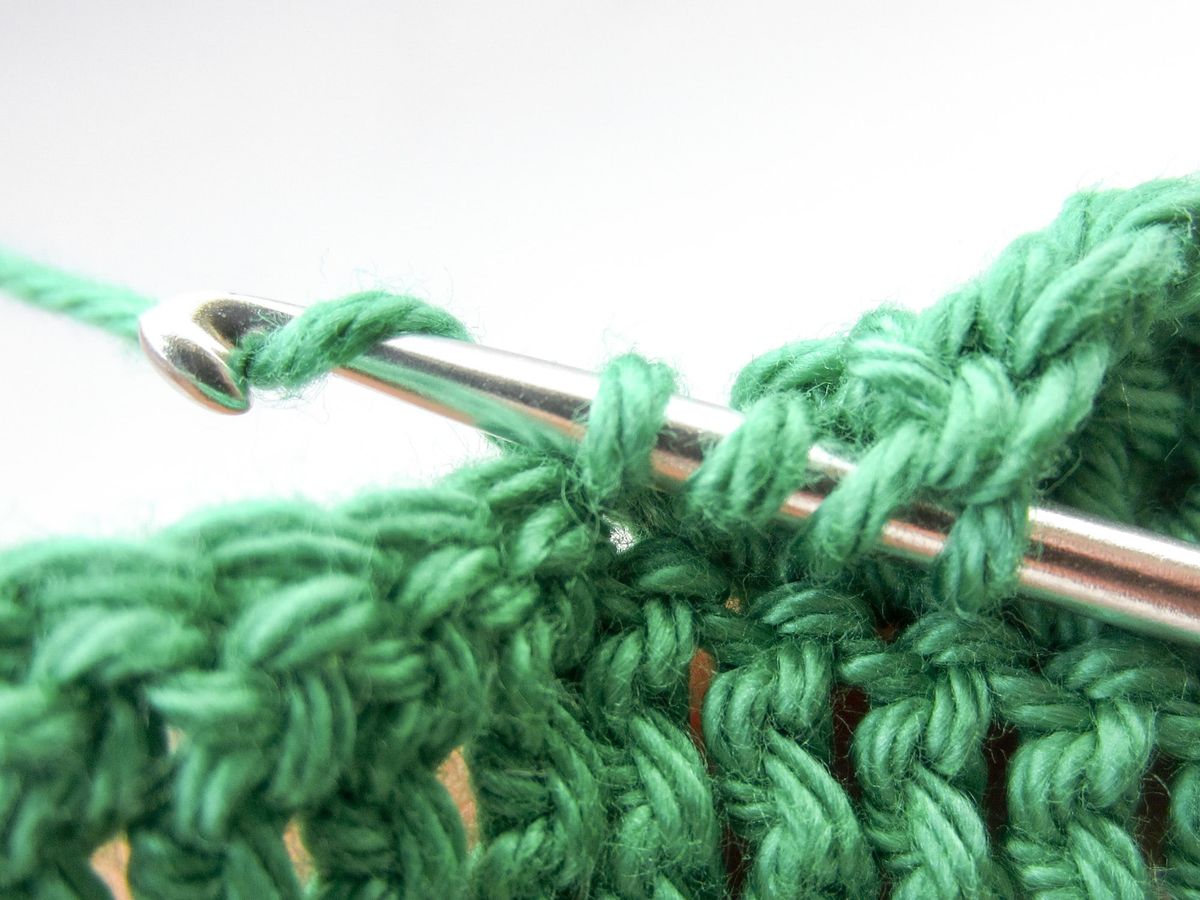
The treble crochet stitch creates tall, airy rows that work up quickly. It is a great choice for lightweight shawls, wraps, open blankets, and decorative scarves. The extra height also adds beautiful drape to many wearable projects.
Keep your yarn overs loose and your tension even while practicing. This helps each stitch stay the same height and gives your finished work a neat appearance. Many crochet stitches every crafter should learn become easier after you master the double and treble crochet stitches.
7. Moss Stitch
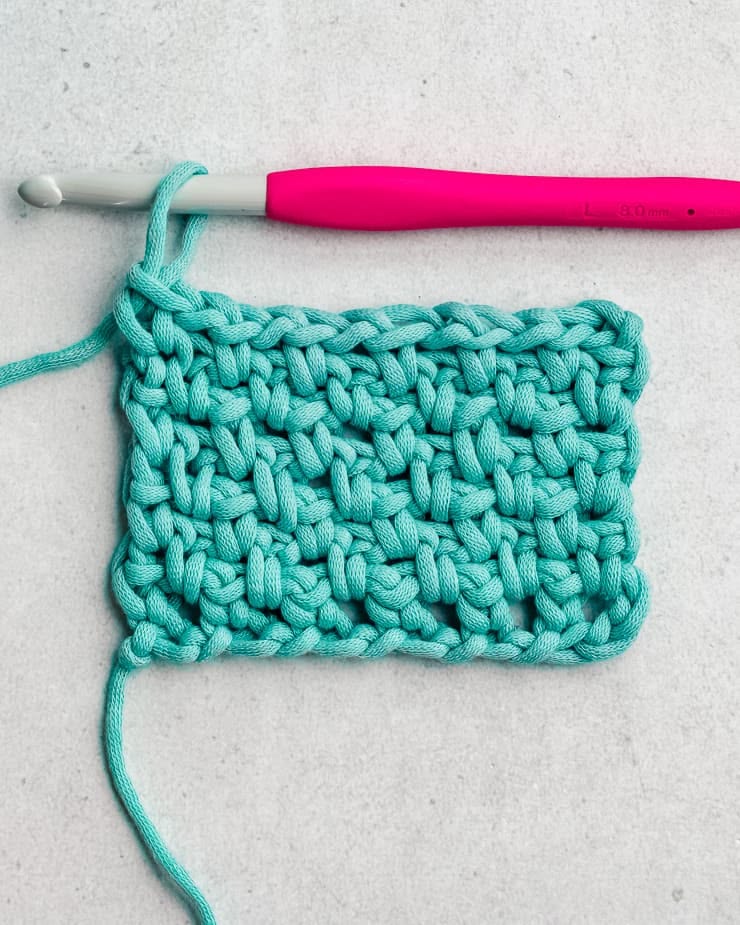
The moss stitch combines single crochet stitches and chain spaces to create a soft texture with a modern look. It works beautifully for baby blankets, scarves, washcloths, and home décor. The finished fabric feels light while still providing good coverage.
Work slowly until you become familiar with the repeating pattern. Once you learn the rhythm, this stitch becomes relaxing and enjoyable. If you love making handmade gifts, you may enjoy 31 Free Crochet Baby Blanket Patterns That Make Perfect Gifts for ideas that pair well with this stitch.
8. Granny Stitch
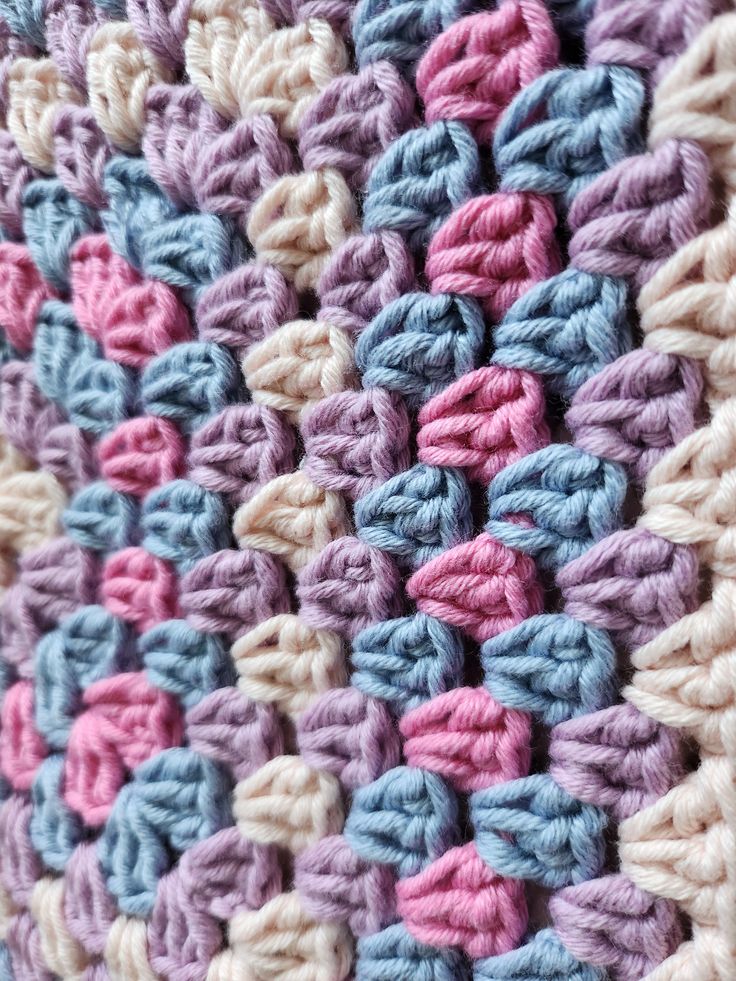
The granny stitch is one of the most recognizable crochet stitches. It uses groups of double crochet stitches separated by chain spaces to create the classic granny square design. This stitch works well for blankets, bags, cardigans, and cushion covers.
Practice counting your stitch groups carefully so every row stays balanced. Once you understand the pattern, you can create countless colorful designs using the same simple technique.
9. Shell Stitch
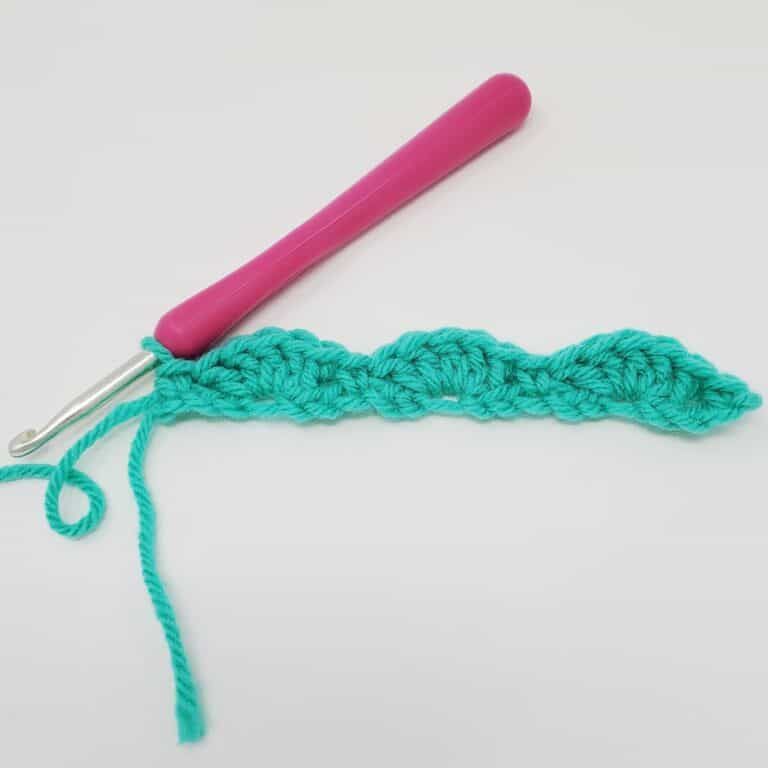
The shell stitch forms fan-shaped groups of stitches that add texture and elegance to crochet projects. It looks beautiful on blankets, baby clothes, scarves, table runners, and decorative borders. This stitch gives simple projects a more detailed finish.
Choose a light-colored yarn while practicing so you can clearly see each shell. Even spacing helps every shell stand out and creates a polished result.
10. V Stitch
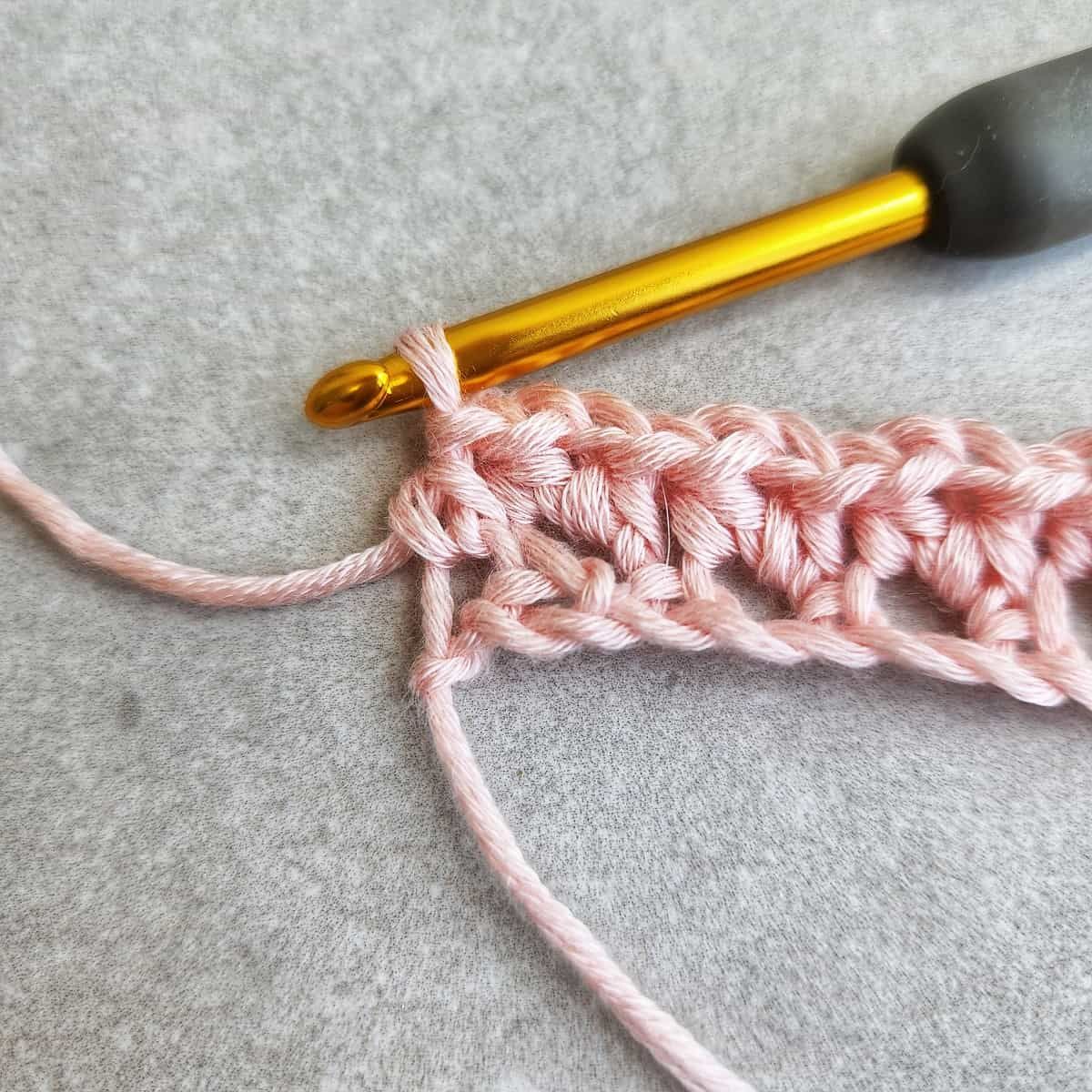
The V stitch creates an open, airy fabric by working two stitches into the same space with a chain between them. It is perfect for lightweight blankets, shawls, summer tops, and wraps. The repeating pattern grows quickly and feels relaxing to crochet.
Pay close attention to where each V begins and ends so the pattern stays lined up. If you are building your crochet skills, take a look at 27 Must-Have Crochet Tools Every Beginner and Pro Should Own to make sure you have the right tools for practicing new stitches.
11. Bobble Stitch
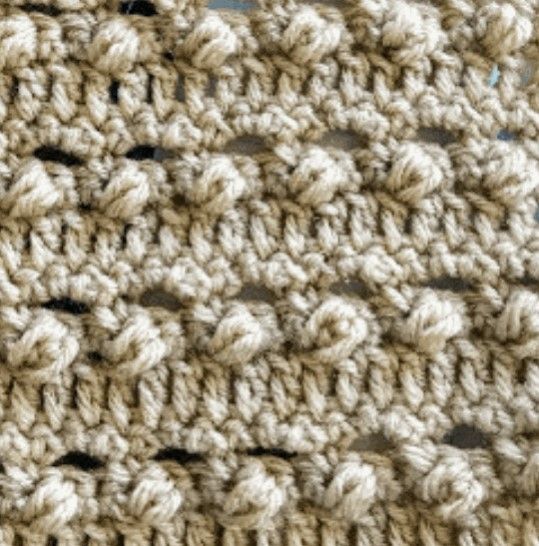
The bobble stitch creates small, raised bumps that give crochet projects plenty of texture. It works well for baby blankets, cushions, hats, sweaters, and wall hangings. Even a few rows of bobble stitches can turn a simple design into something eye-catching.
Take your time pulling through the loops at the end of each bobble. Keeping every bobble the same size helps your project look neat and balanced. Many crochet stitches every crafter should learn include textured stitches because they add interest without making patterns too difficult.
12. Puff Stitch
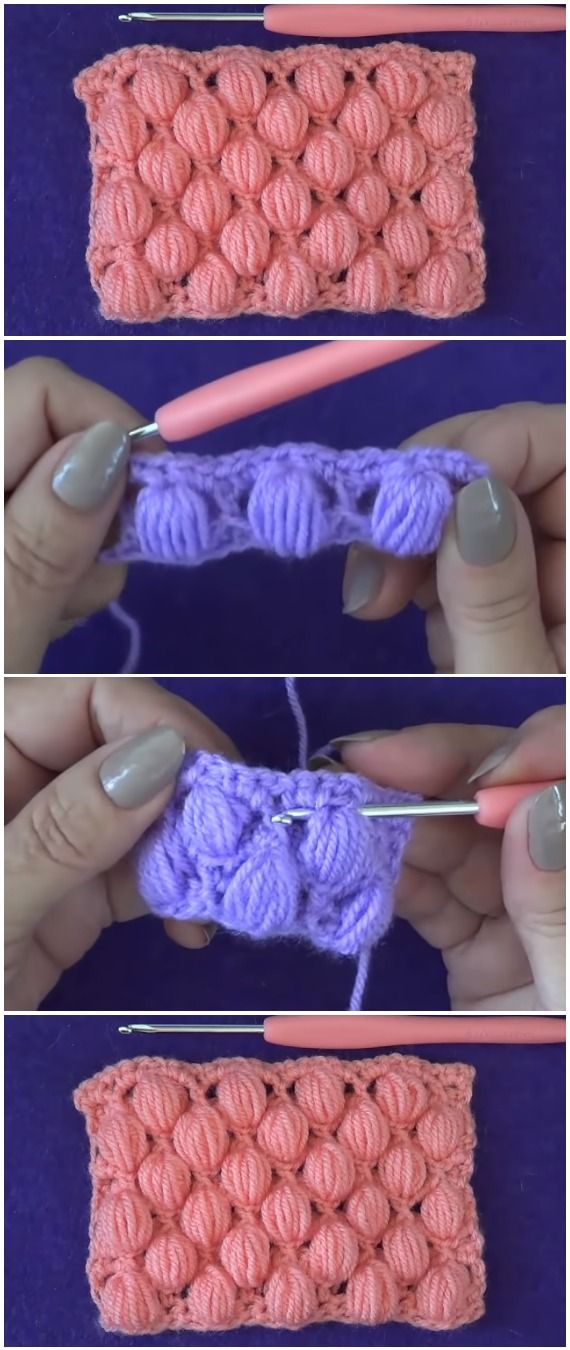
The puff stitch creates a soft, rounded texture by pulling up several loops before completing the stitch. It feels thick and cozy, making it a favorite for blankets, scarves, beanies, and warm winter accessories.
Keep your loops the same height before closing the stitch. This creates even puff stitches across the row. If you enjoy decorating your home with handmade pieces, you can find inspiration in 25 Cozy Crochet Home Decor Ideas That Instantly Warm Up Any Room.
13. Waffle Stitch
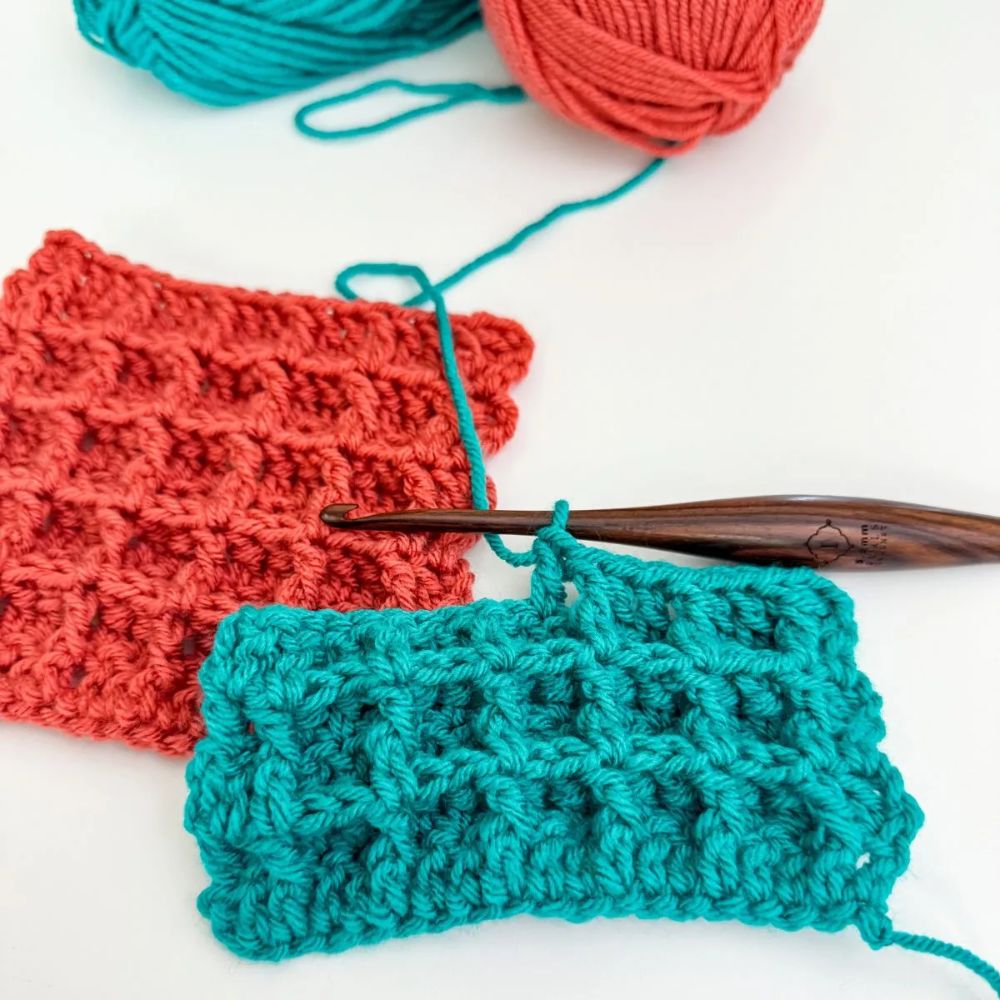
The waffle stitch creates deep ridges that look like the squares on a breakfast waffle. It produces a thick, warm fabric that works perfectly for blankets, dishcloths, towels, and cozy throws. The rich texture makes simple yarn look beautiful.
Practice front post stitches before attempting the waffle stitch because they form the raised pattern. Once you learn the repeat, this stitch becomes one of the most satisfying textures to crochet.
14. Basketweave Stitch
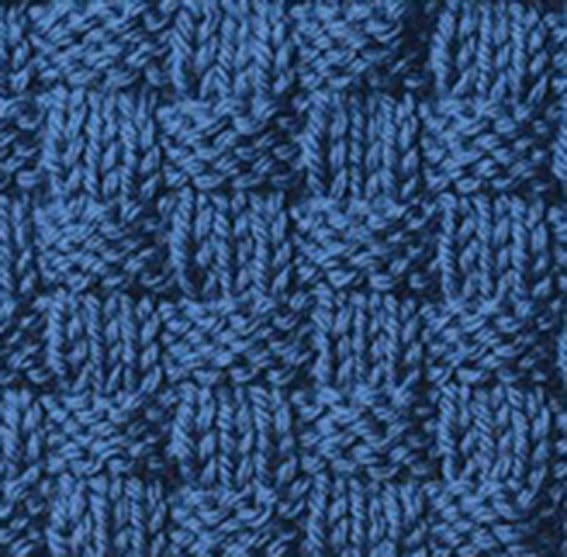
The basketweave stitch uses front and back post stitches to create a woven appearance. It looks impressive but becomes easy after a little practice. This stitch works well for blankets, pillow covers, scarves, and handbags because it creates a sturdy fabric with beautiful texture.
Count your rows carefully so the woven pattern stays consistent. The finished fabric looks detailed while using stitches you already know.
15. Ripple Stitch
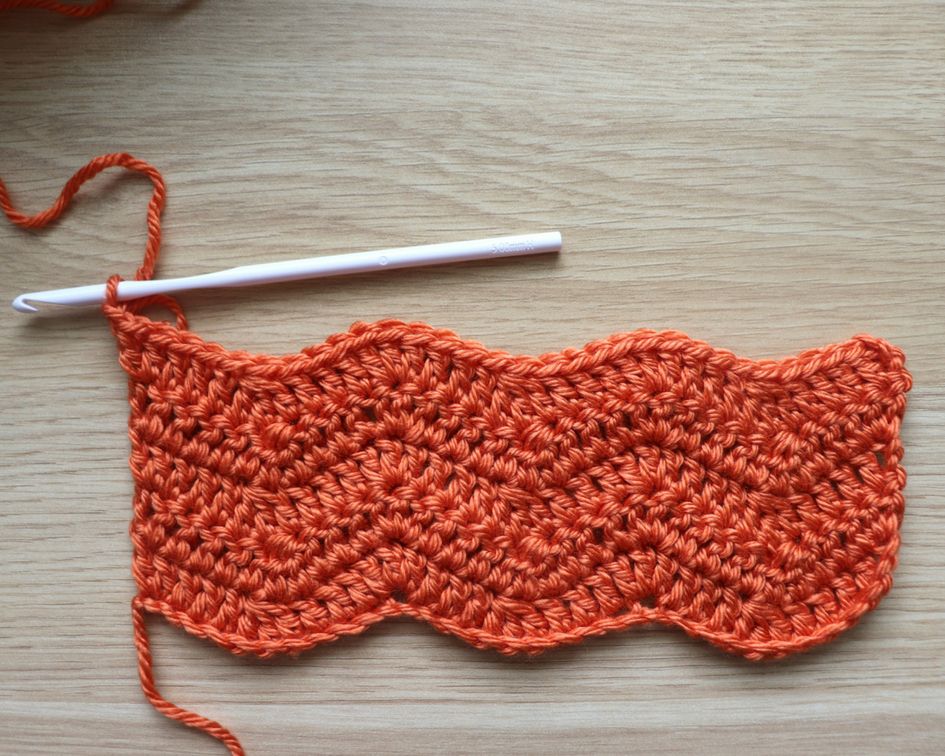
The ripple stitch creates soft waves that move across the fabric. It is a classic choice for blankets, baby afghans, scarves, and colorful throws. Changing yarn colors between sections makes the waves stand out even more.
Watch your increases and decreases closely to keep the peaks and valleys even across every row. Once you understand the repeat, this becomes one of the most relaxing crochet stitches every crafter should learn. If you are ready to put your new skills into practice, browse 19 Beautiful Crochet Blanket Patterns You’ll Want to Make This Year for projects that showcase a variety of beautiful stitch patterns.
Conclusion
Learning new crochet stitches opens the door to more creative projects. Each stitch gives your work a different texture, look, and feel. You do not need to master them all at once. Start with the basics, practice often, and add one new stitch whenever you feel ready. Before long, these crochet stitches every crafter should learn will become part of your everyday crochet skills.
Keep a small practice swatch for every stitch you learn. It helps you remember the pattern and gives you a handy reference when choosing stitches for future projects. The more you practice, the more confident you will become, and every new project will feel even more rewarding.