Quilting Tools Every Beginner Needs.
Disclosure: Some of the links in this post are affiliate links. This means if you click on the link and purchase an item, I will receive an affiliate commission at no extra cost to you.
When I first started quilting, I remember how confusing everything felt. There were so many tools, so many recommendations, and honestly… I had no idea what I actually needed. It felt like every list I saw included things I didn’t understand yet, and I kept wondering, “Do I really need all of this just to get started?”
Over time, I realized something really important you don’t need a huge collection of tools to begin quilting. In fact, a few simple, reliable tools can take you a very long way. Once I focused on the basics, everything started to feel easier, more enjoyable, and a lot less overwhelming.
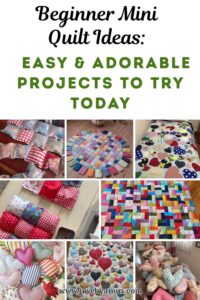
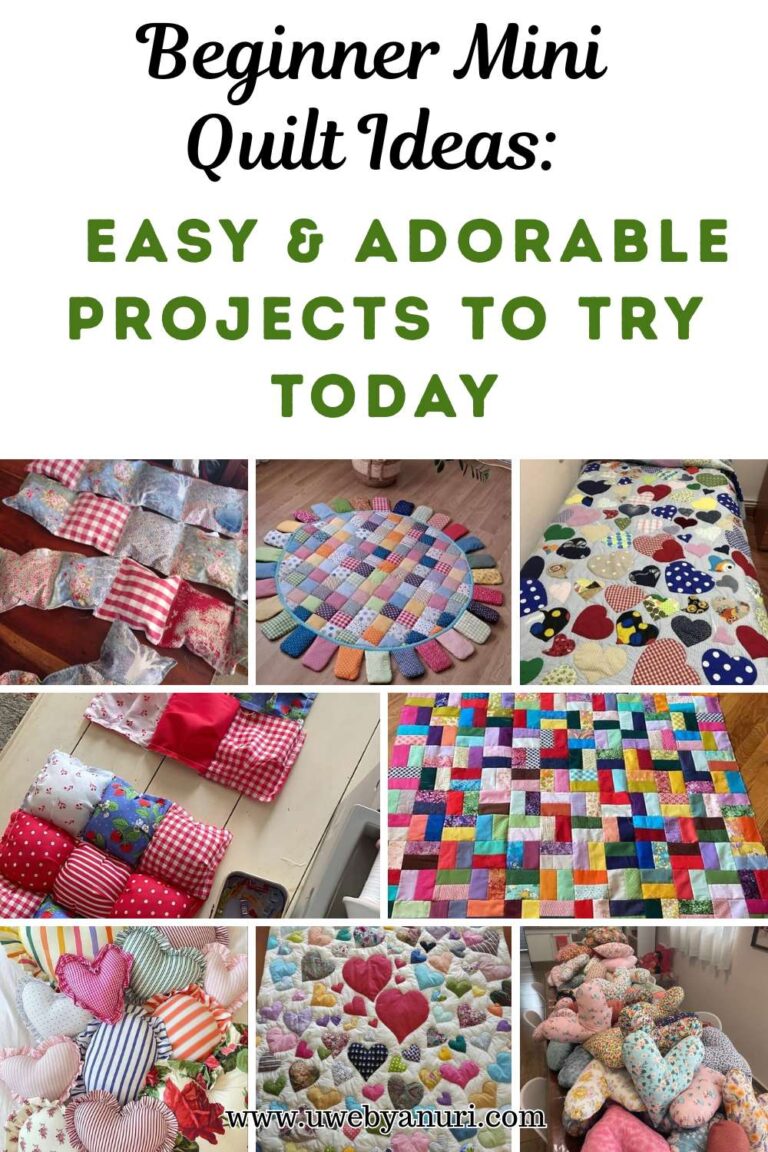
Check this for more: Beginner mini quilt ideas: easy adorable ideas to try today
So if you’re just starting out (or even if you’ve been sewing for a little while), this guide will walk you through the quilting tools you’ll actually use again and again the kind that make your projects smoother, neater, and a lot more fun.
Why the Right Tools Make a Difference
Having the right tools isn’t about having more it’s about having what truly works. The right tools help you cut straighter, sew more accurately, and avoid small frustrations that can make quilting feel harder than it should be.
And when things feel easier, you’re more likely to enjoy the process… and actually finish your projects.
Quilting Tools Every Beginner Needs
Here are the essential tools you’ll find yourself reaching for all the time:
1. Fabric Scissors
A good pair of sharp fabric scissors is one of the first things you’ll need. Clean cuts make a big difference in how your quilt pieces fit together.
Try to keep them only for fabric this helps them stay sharp longer.
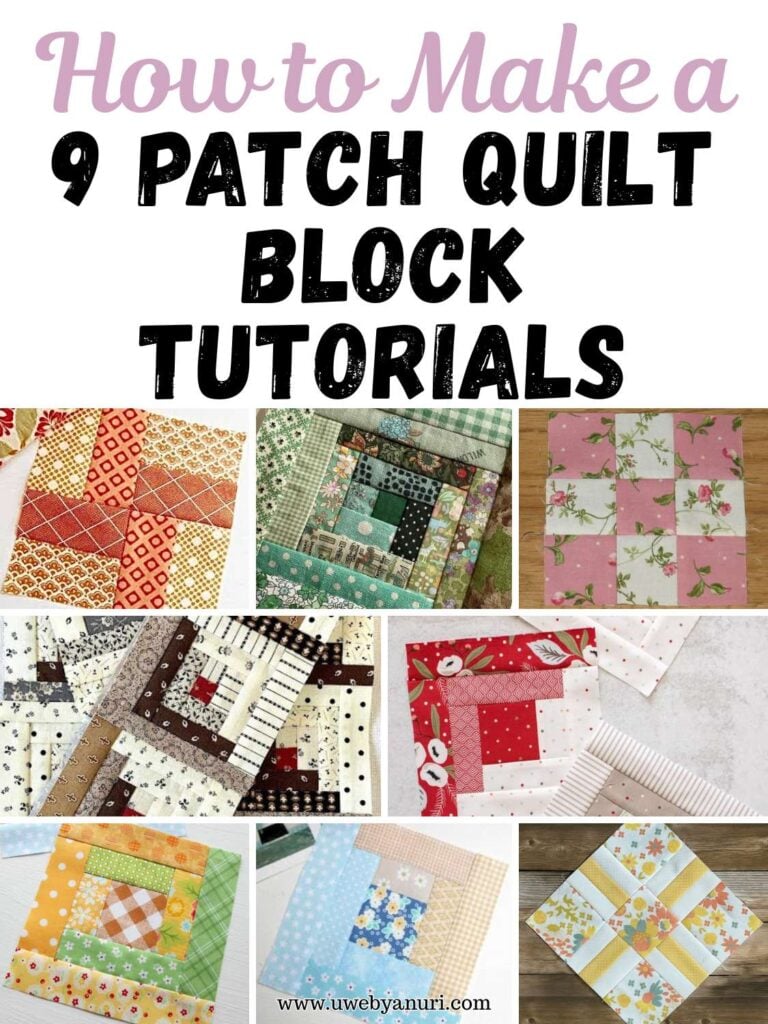
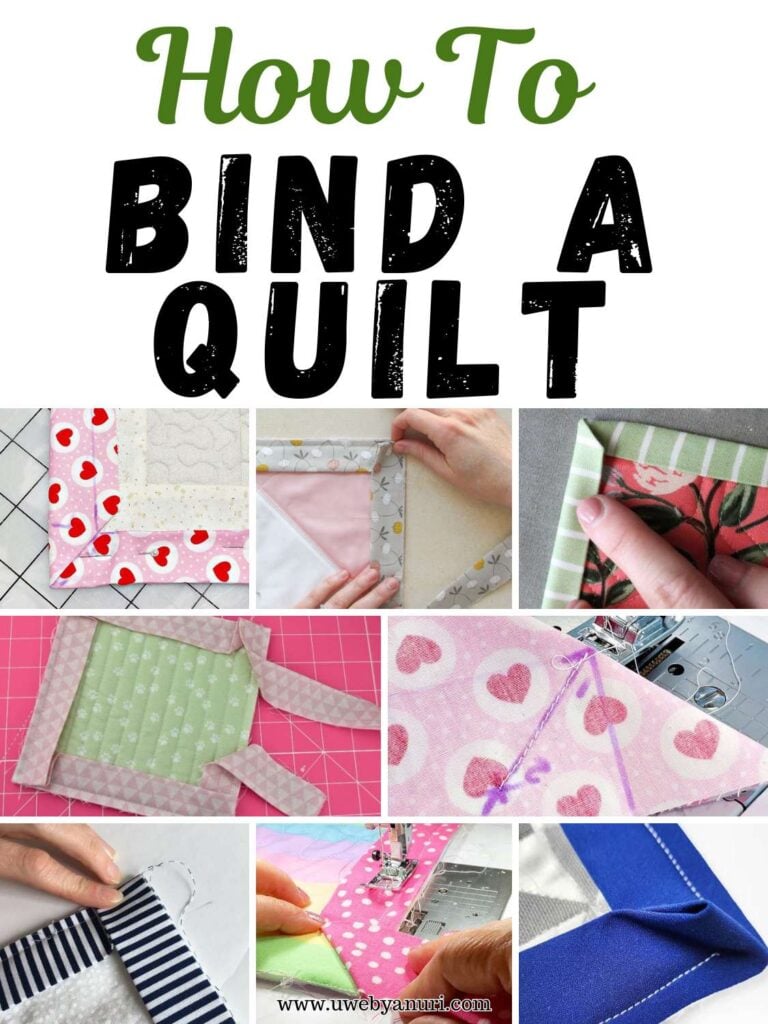
See more on quilting: How to bind a quilt
2. Rotary Cutter
Once you try a rotary cutter, you’ll understand why so many quilters love it. It makes cutting faster, smoother, and much more precise especially when working with straight lines.
It works best when paired with a cutting mat and ruler.
3. Quilting Ruler
A clear quilting ruler with grid lines helps you measure and cut accurately. It’s especially helpful when you’re learning how to keep your pieces even and consistent.
4. Sewing Machine (or Needle)
You don’t need anything fancy here. A basic sewing machine that can sew straight stitches is more than enough to get started.
And if you prefer hand sewing, that works beautifully too just take your time and enjoy the process.
5. Pins or Clips
Pins (or clips) help hold your fabric pieces in place before sewing. They keep everything aligned so your seams come out neat and straight.
Many beginners love clips because they’re quick and easy to use.
6. Iron & Ironing Board
This might seem like a small step, but it makes a huge difference. Pressing your seams helps your quilt lie flat and look more polished.
A simple rule: press as you go.
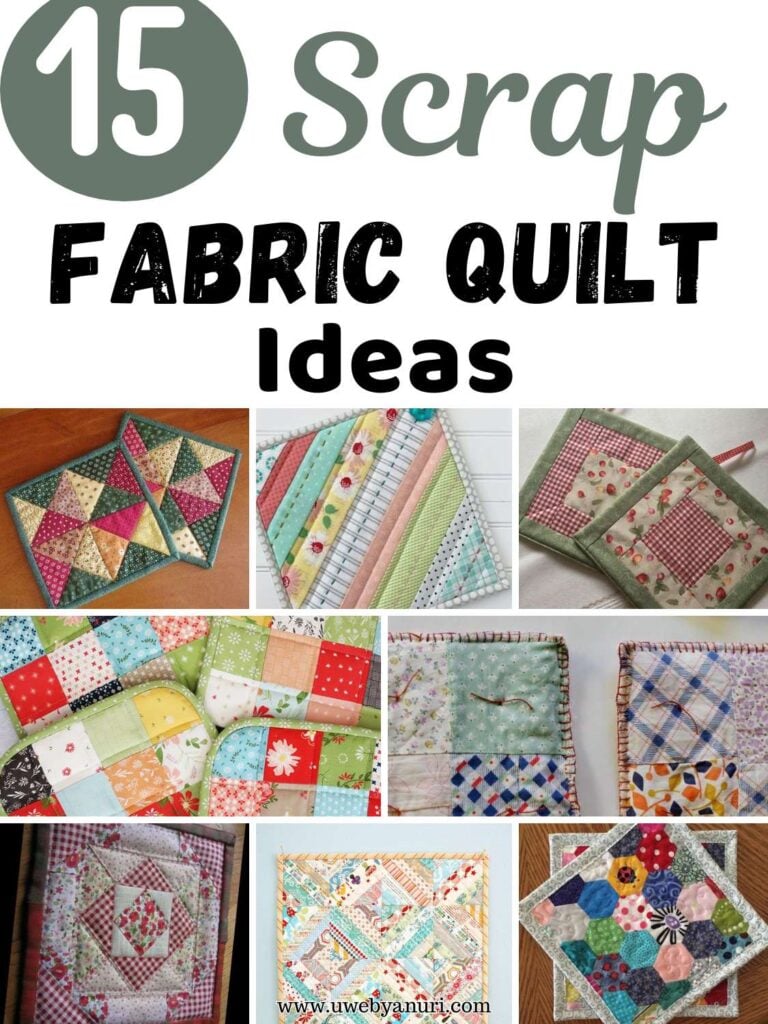
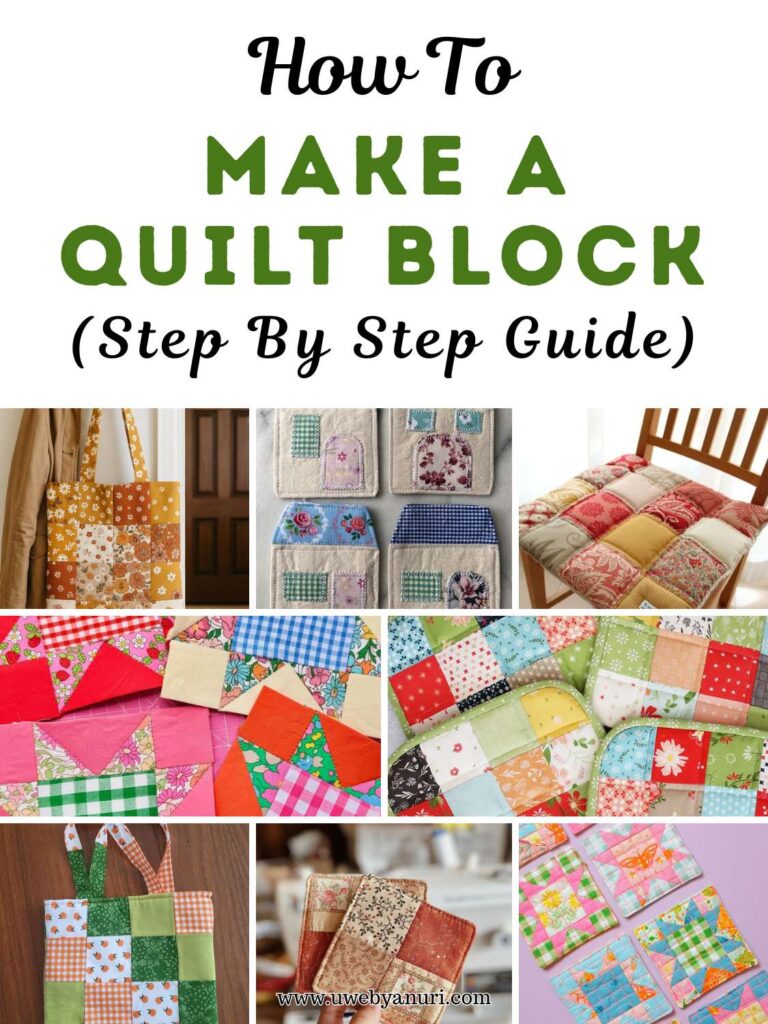
You may also like: 15 Scrap fabric quilt ideas
7. Good Quality Thread
Thread might seem like a small detail, but it really matters. A strong, good-quality thread helps your quilt hold together better and prevents breakage while sewing.
8. Cutting Mat
A self-healing cutting mat protects your table and makes using a rotary cutter safe and easy. The grid lines also help guide your cuts, which is super helpful as a beginner.
9. Batting
Batting is the soft layer inside your quilt that gives it warmth and shape.
Cotton batting is a great beginner-friendly option because it’s easy to handle and sew.
10. Seam Ripper
Every quilter needs one of these trust me
Mistakes happen, and that’s completely normal. A seam ripper helps you fix them quickly without damaging your fabric.
Simple Tips for Beginners
If you’re just starting out, keep things easy:
- Start with basic tools only
- Focus on learning, not perfection
- Choose comfort and quality over price
- Add more tools as you grow
You don’t need everything at once you’ll figure out what works best for you over time.
Common Beginner Mistakes to Avoid
A few small mistakes can slow you down, but they’re easy to fix:
- Using dull scissors
- Skipping seam pressing
- Cutting without proper measuring tools
- Buying too many tools too early
Take it slow you’re learning, and that’s what matters most.
Tools You Can Add Later
Once you feel more confident, you might want to try:
- Walking foot for your sewing machine
- Specialty rulers
- Fabric marking pens
- Quilting gloves
These are helpful extras, but not necessary when you’re just starting.
Conclusion
Quilting doesn’t have to be complicated or overwhelming. With just a few simple tools, you can start creating something beautiful right away.
Give yourself permission to start small, learn as you go, and enjoy every step of the process. Each project will teach you something new and before you know it, you’ll feel more confident with every stitch.