A complete sewing glossary for beginners
Disclosure: Some of the links in this post are affiliate links. This means if you click on the link and purchase an item, I will receive an affiliate commission at no extra cost to you.
This post is a complete sewing glossary for beginners made very simple and handy.
If you are new to sewing, all the different tools, stitches, and fabric terms can feel a little overwhelming. You might look at a pattern, a sewing machine, or even a simple instruction guide and think, “Wait… what does all this mean?” That’s completely normal! Sewing has its own little language, and understanding it is one of the first steps to feeling confident and creative behind your machine or at your sewing table.
That is exactly why a clear and easy-to-follow sewing glossary for beginners can be such a lifesaver. It takes all those confusing words and breaks them down into simple, understandable explanations. No complicated jargon, no stress, just the essentials you need to know to start sewing comfortably and enjoyably.
By keeping this glossary close, you will quickly start recognizing terms in patterns, tutorials, and videos. Words like “seam allowance,” “bias,” or “interfacing” will begin to make sense, and you will feel more confident trying new techniques. This sewing glossary for beginners is designed to guide you step by step, making your sewing journey smoother, more fun, and a lot less confusing.
Even if you are just starting with a few simple projects, having this resource will help you understand instructions, choose the right tools, and finish projects that actually look neat and professional. With a little practice, these terms will become second nature, and soon sewing won’t feel tricky at all. That’s the beauty of this sewing glossary for beginners, it’s your handy guide to mastering the language of sewing, one word at a time. 21 Easy Sewing Projects for Complete Beginners
A complete sewing glossary for beginners
1. Basic Sewing Tools & Equipment
Needle
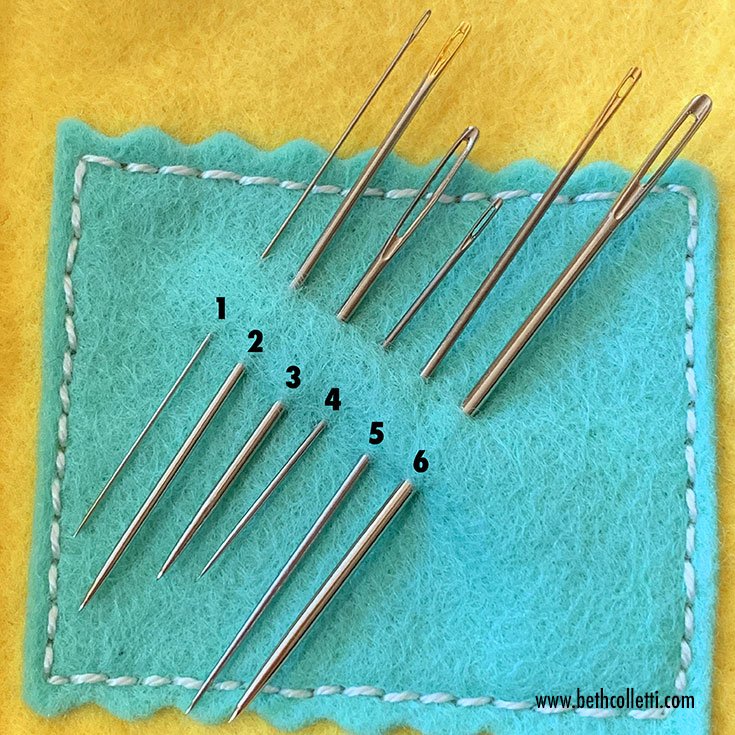
A needle is a small metal tool used to sew fabric together by hand or with a machine. It carries the thread through the fabric to form stitches.
Needles come in different sizes. Thin needles are used for light fabrics, while thick needles work better for heavy fabrics.
keep reading: 10 Sewing Tips for a Perfect Finish
Thread
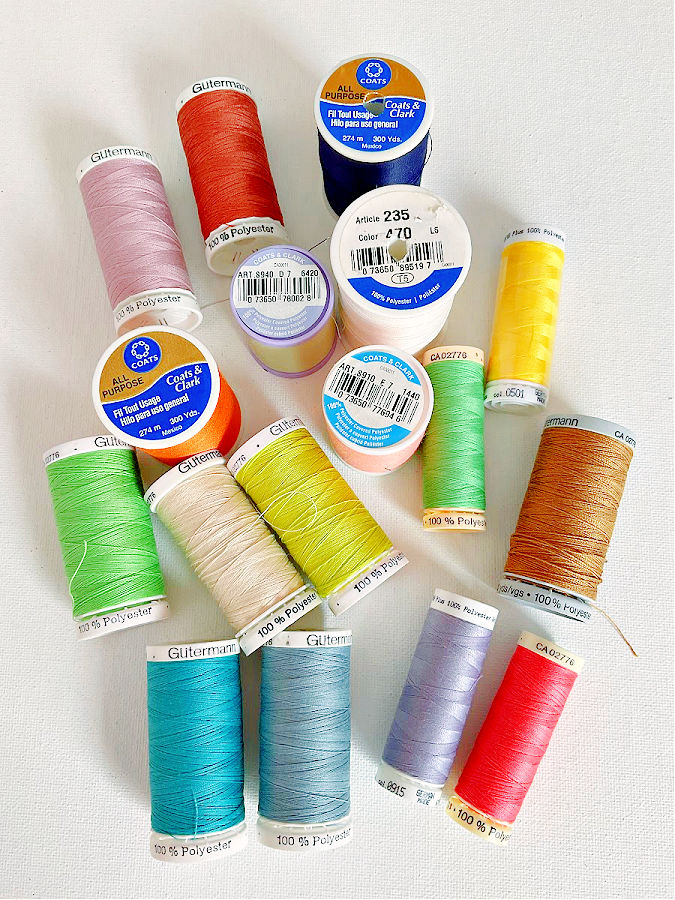
Thread is the long strand used to stitch fabrics together. It can be made from cotton, polyester, silk, or nylon.
For beginners, polyester thread is best because it is strong and works well with most fabrics. This is a common term you’ll see in any sewing glossary for beginners.
Pins
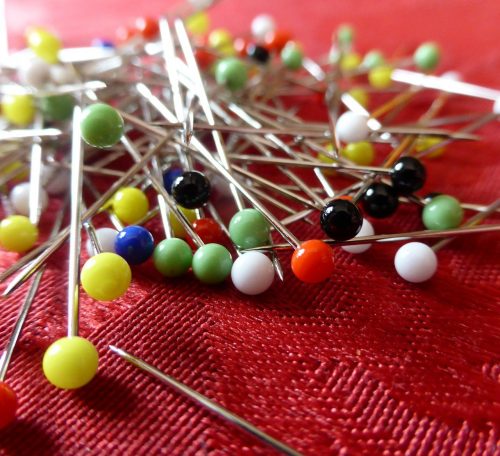
Pins are used to hold fabric pieces together before sewing. They help keep the fabric from moving while you stitch.
Using pins makes sewing neater and more accurate, especially when working with slippery or layered fabric.
Pincushion
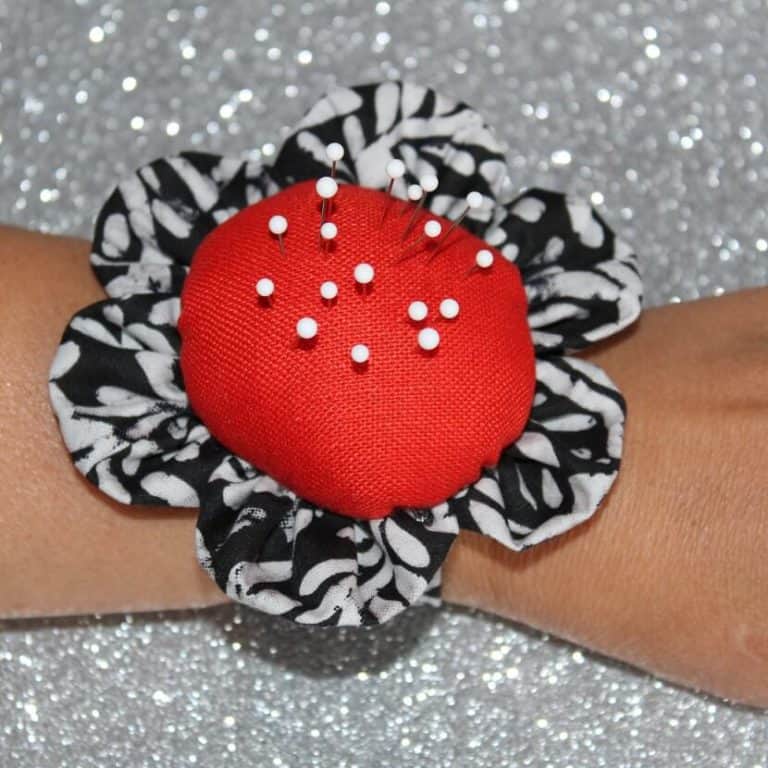
A pincushion is a small cushion used to hold pins and needles safely. It keeps them from getting lost.
It also protects your fingers and workspace from sharp pin points while sewing.
Scissors
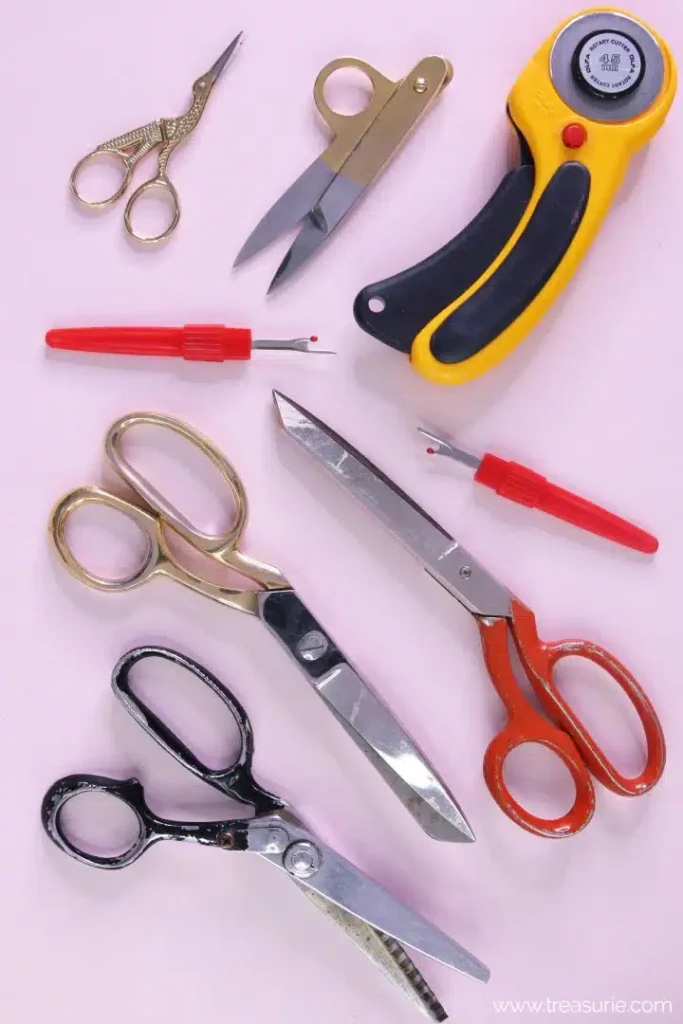
Scissors are used to cut fabric into shapes and pieces. Fabric scissors should be sharp for clean cuts.
You should never use fabric scissors on paper, because paper makes them dull very fast.
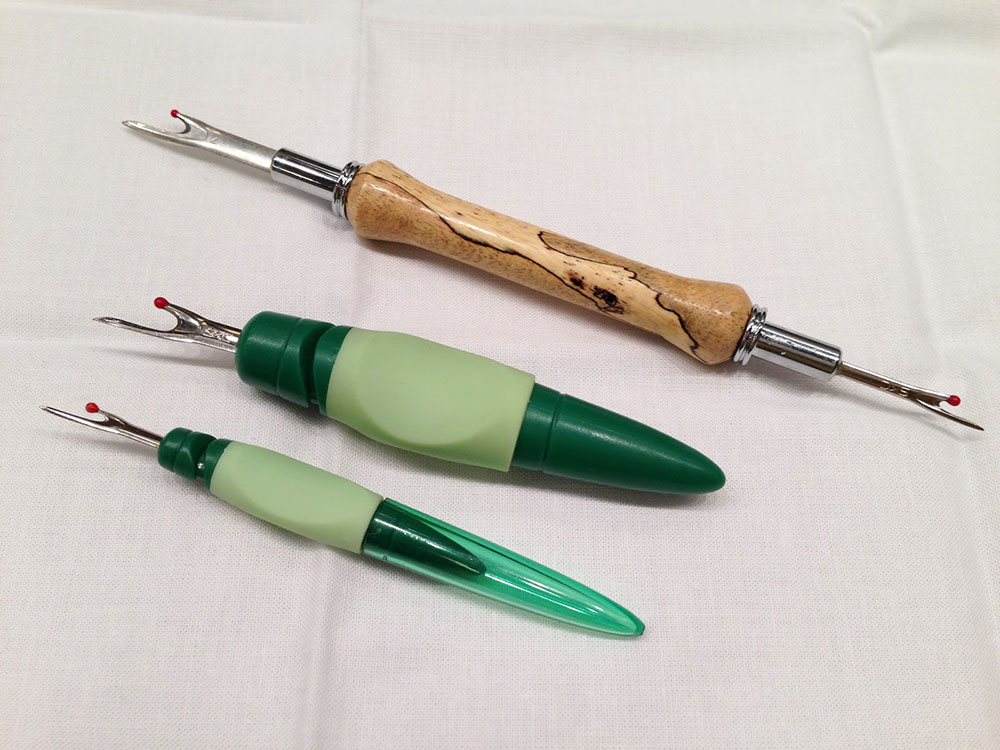
Seam Ripper
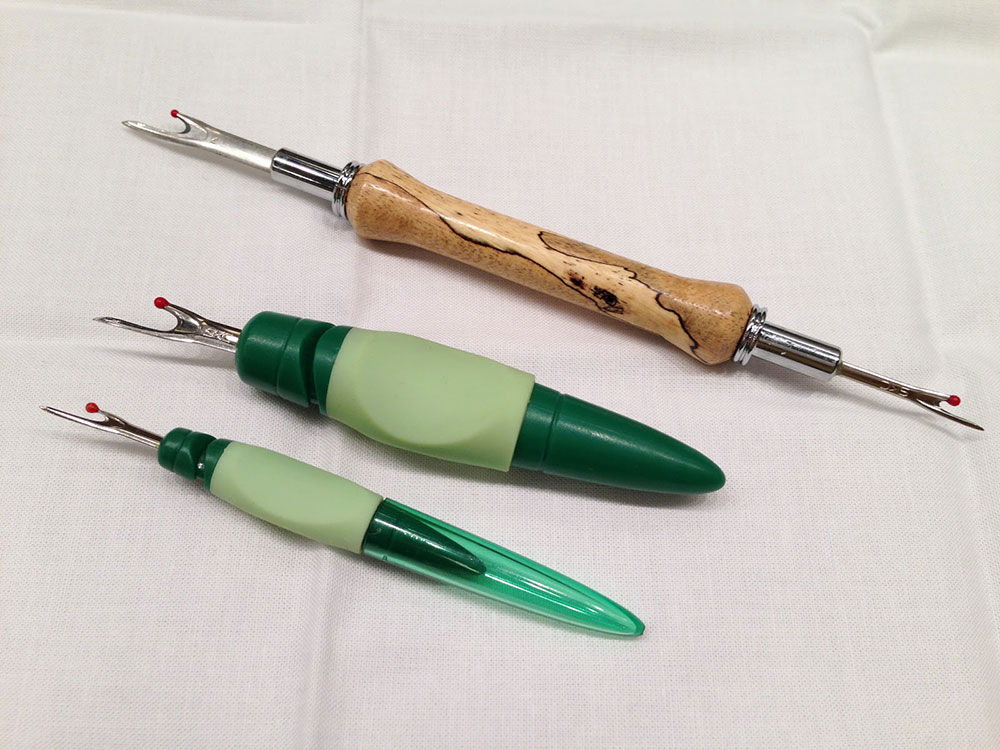
A seam ripper is a small tool used to remove stitches. It helps correct sewing mistakes neatly.
Every beginner uses a seam ripper often, so it is an important tool in any sewing glossary for beginners.
Measuring Tape
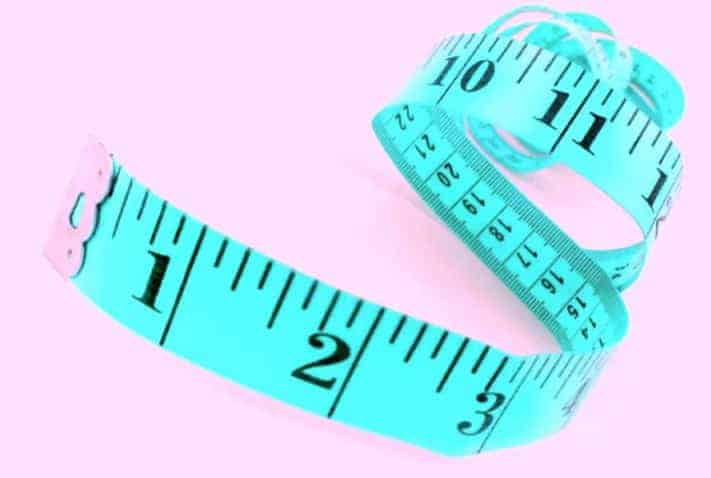
A measuring tape is a flexible ruler used to measure the body and fabric. It helps you get accurate sizes.
Good measurements are very important for proper fitting and neat sewing results.
Chalk / Fabric Marker
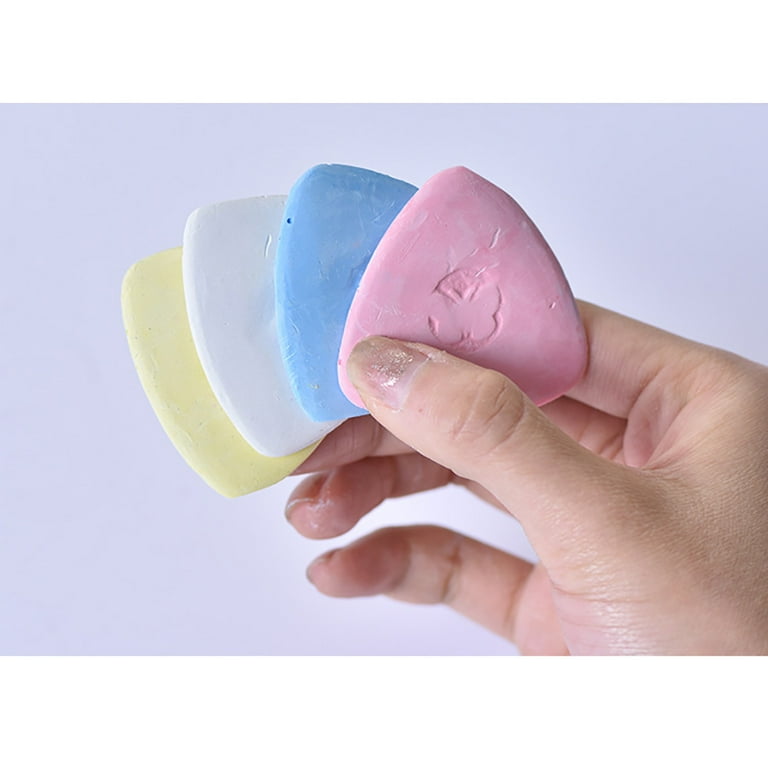
Chalk or fabric markers are used to draw lines and marks on fabric. These marks guide cutting and sewing.
They are designed to fade or wash out, so they don’t spoil the finished garment.
2. Sewing Machine Basics
Sewing Machine
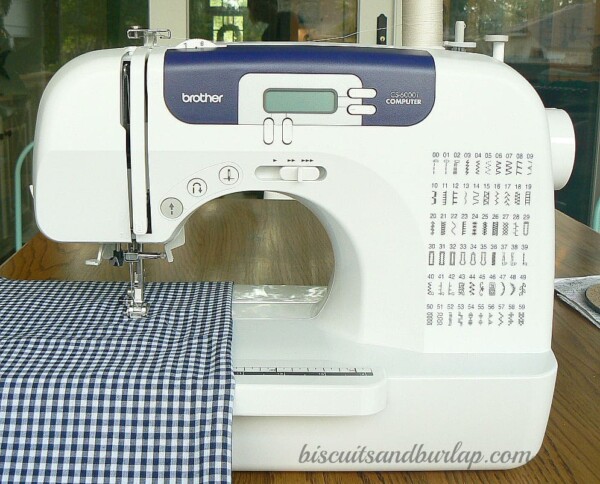
A sewing machine is used to stitch fabric quickly and evenly. It saves time and effort compared to hand sewing.
Most beginners start with a simple machine that can sew straight stitches easily.
Presser Foot
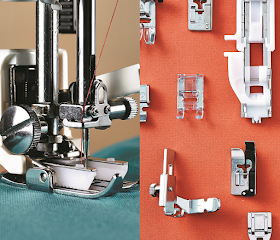
The presser foot holds the fabric firmly in place while sewing. It helps feed the fabric smoothly under the needle.
Different presser feet are used for different tasks, like zippers or hems.
Bobbin
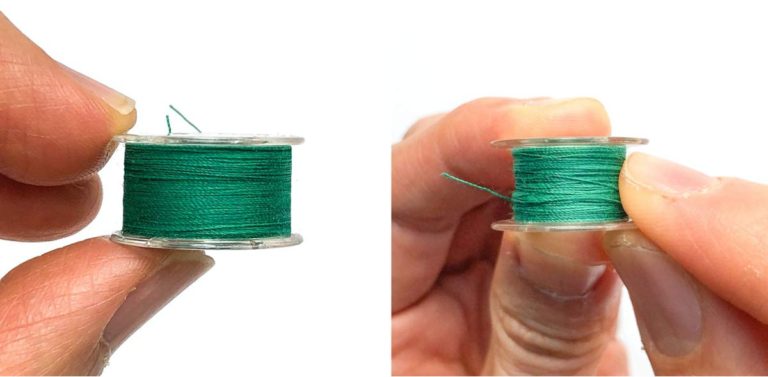
A bobbin is a small spool that holds the lower thread in a sewing machine. It works with the top thread to form stitches.
If the bobbin is not placed correctly, the stitches may look loose or tangled.
Bobbin Case
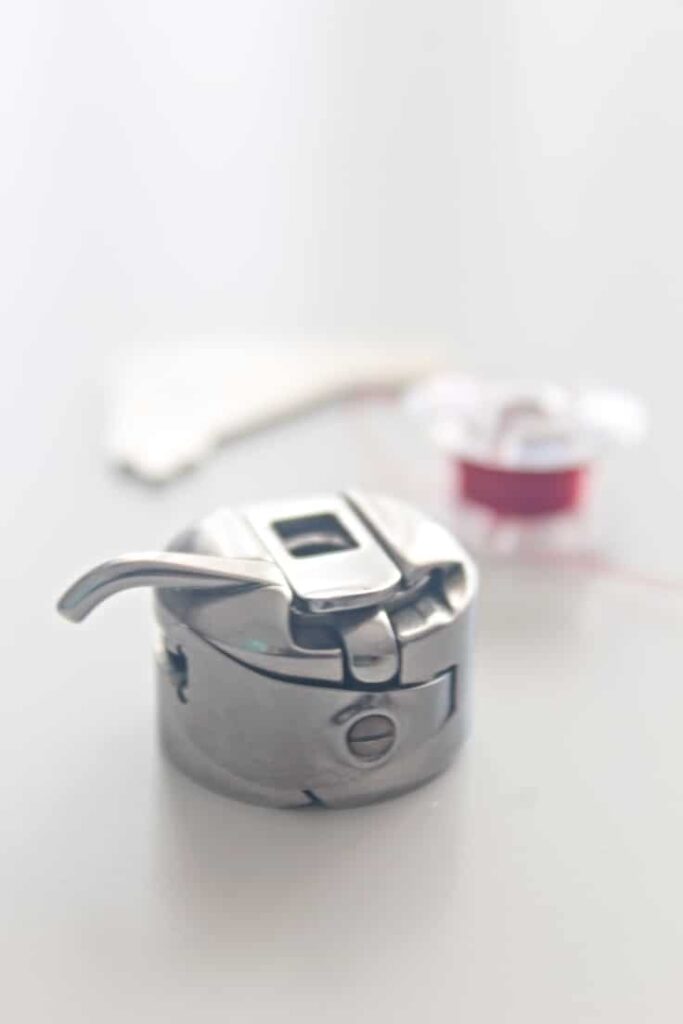
The bobbin case holds the bobbin inside the machine. It controls how the lower thread flows.
Proper placement of the bobbin case helps create neat and balanced stitches.
Stitch Length
Stitch length controls how long each stitch is. Short stitches are strong, while longer ones are looser.
Beginners usually use a medium stitch length for normal sewing.
Reverse Stitch
Reverse stitch allows the machine to sew backward. It is used to lock stitches at the start and end of seams.
This prevents the seam from coming loose after sewing.
Hand Wheel
The hand wheel moves the needle up and down manually. It helps you control the needle position.
It is useful when starting or stopping stitches carefully.
3. Fabric & Textile Terms
Fabric
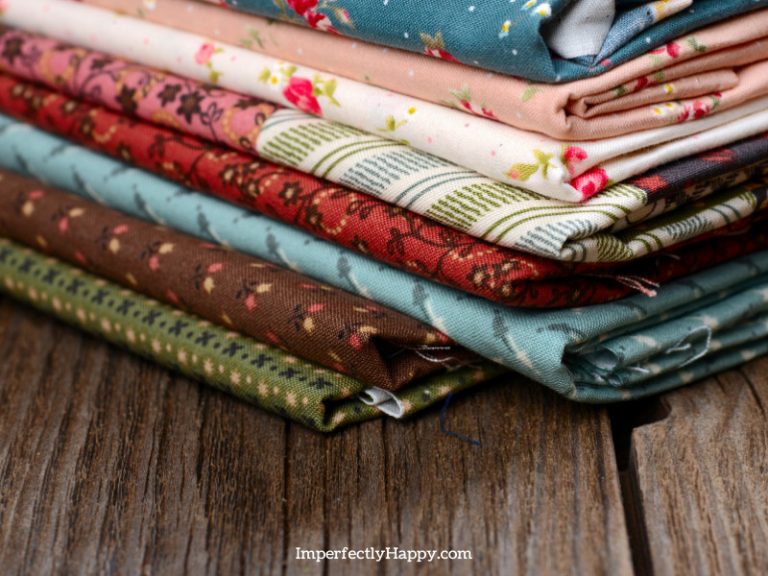
Fabric is the material used for sewing clothes or household items. It can be natural or synthetic.
Choosing the right fabric is very important for how a garment looks and feels.
Grainline
Grainline shows the direction of threads in fabric. Sewing along it keeps garments from twisting.
Most patterns include grainline markings to guide proper cutting.
Bias
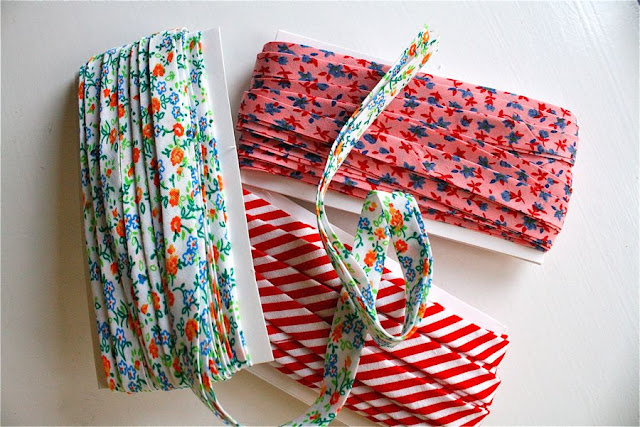
Bias is the diagonal direction of fabric. Fabric stretches more on the bias than on straight grain.
Bias cuts are often used for smooth fitting and flowing designs.
Right Side / Wrong Side
The right side of fabric is the visible, finished side. The wrong side faces inside the garment.
Knowing the difference helps you sew pieces correctly.
Selvage (Selvedge)
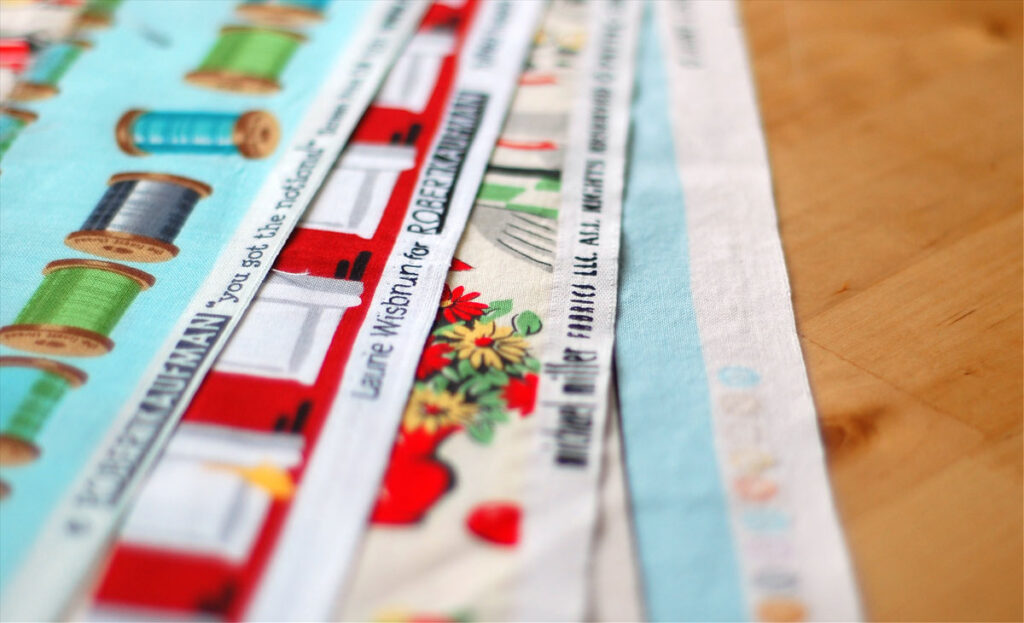
The selvage is the finished edge of fabric. It does not fray like cut edges.
It helps identify fabric grain and quality.
Nap
Nap refers to fabric texture that lies in one direction, like velvet or corduroy. It affects color appearance.
All pieces must be cut in the same direction when fabric has nap, as explained in a sewing glossary for beginners.
4. Cutting & Pattern Terms
Pattern
A pattern is a guide used to cut fabric into the correct shapes. It shows how a garment is made.
Patterns help beginners sew accurate and well-fitting clothes.
Pattern Piece
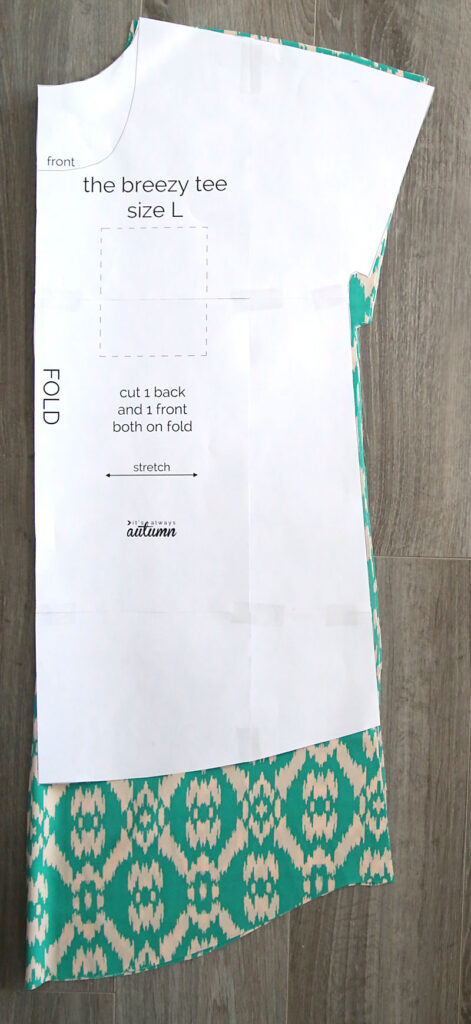
A pattern piece is one part of a pattern, such as a sleeve or bodice. Each piece has a specific role.
All pieces must be cut and joined correctly to complete the garment.
Seam Allowance
Seam allowance is the extra space between the fabric edge and the stitching line. It allows room for sewing.
Without seam allowance, the garment may turn out too small.
Notches
Notches are small marks on pattern edges. They help match pieces correctly.
They make sewing easier and more accurate.
Cut on Fold
Cut on fold means placing the pattern on folded fabric. This creates a symmetrical piece.
It is commonly used for bodices and skirts.
Layout
Layout shows how pattern pieces should be placed on fabric. It helps save fabric and avoid mistakes.
Following the correct layout improves cutting accuracy and fabric use, which is why it appears in every sewing glossary for beginners.
5. Sewing & Construction Terms
Seam
A seam is the line where two pieces of fabric are stitched together. It holds the garment structure in place.
Seams can be straight or curved, depending on the garment design. Understanding seams is essential in any sewing glossary for beginners.
Hem
A hem is the finished edge at the bottom of garments like skirts or sleeves. It keeps fabric from fraying.
Hems can be simple or decorative, and learning to sew them neatly makes garments look professional.
Basting
Basting is a temporary long stitch used to hold fabric in place before final sewing.
It helps prevent mistakes and makes sewing tricky sections easier. Many beginners rely on basting often.
Topstitching
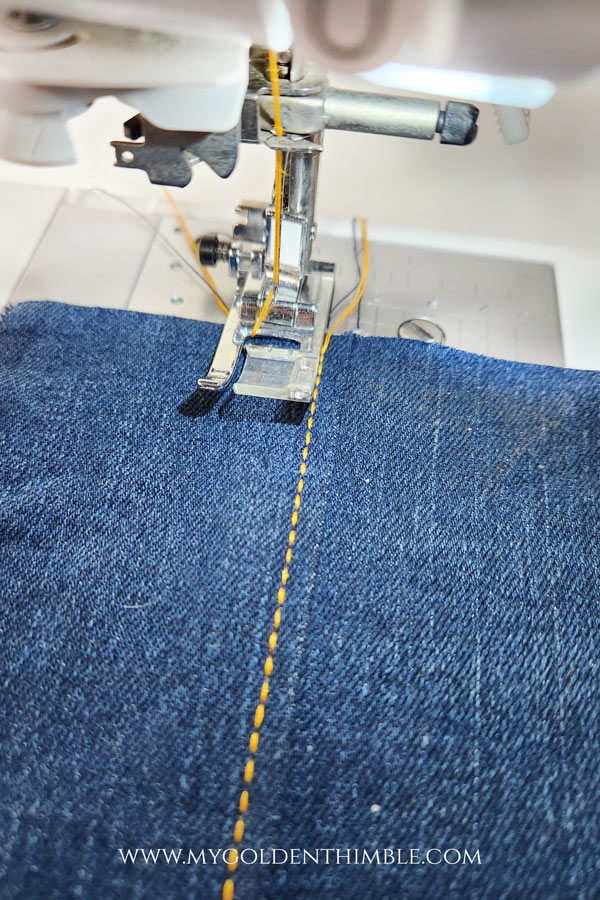
Topstitching is stitching on the outside of fabric for decoration or strength.
It can make seams stronger and give a clean, professional finish to clothing.
Backstitch (Hand Sewing)
Backstitch is a strong hand stitch used for seams or repairs.
It creates a firm, secure seam and is often taught early in a sewing glossary for beginners.
Edge Stitching
Edge stitching is stitching very close to the fabric edge.
It is used to keep fabric layers flat and neat, giving a polished finish.
6. Fit & Garment Structure Terms
Dart
A dart is a fold sewn into fabric to shape it around curves, like the bust or waist.
It helps garments fit the body properly, adding a professional touch.
Pleat
A pleat is fabric folded in a specific way to add fullness or style.
Pleats can be decorative or functional and are common in skirts and dresses.
Gathering
Gathering is pulling fabric together using stitches to create fullness.
It is often used on sleeves, skirts, or ruffles to add shape and texture.
Ease
Ease is the extra space in a garment that allows comfort and movement.
Garments without enough ease can feel tight, while too much ease can look sloppy.
Facing
Facing is a fabric piece used to finish raw edges like necklines or armholes.
It gives a clean, smooth edge and hides stitching inside the garment.
Interfacing
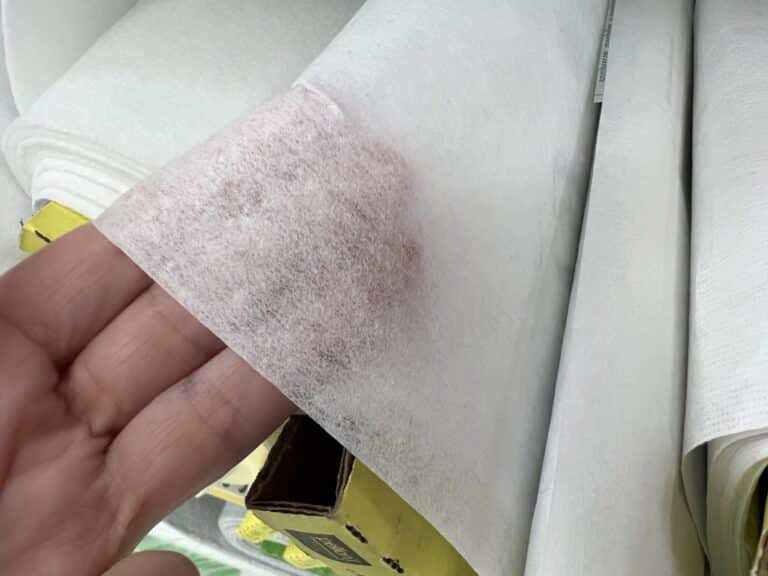
Interfacing is a stiff fabric added to areas like collars or cuffs for support.
It helps these parts hold shape and look professional, as you’ll see in any sewing glossary for beginners.
7. Finishing & Professional Touches
Finish
Finish refers to treating raw fabric edges to prevent fraying.
Good finishes make a garment last longer and look neat.
Overlocking / Serging
Overlocking, or serging, is stitching the raw edge of fabric using a special machine or zigzag.
It prevents fraying and gives a professional appearance to seams.
Pressing
Pressing uses an iron to flatten seams and fabric while sewing.
It makes garments look neat and ensures stitches sit correctly.
Understitching
Understitching is sewing the facing to the seam allowance to keep it from rolling out.
It is a small detail that improves garment quality and finish.
Lining
Lining is an inner layer added to garments for comfort, coverage, or structure.
It hides raw seams and gives a professional, polished look.
8. Common Beginner Sewing Expressions
WIP (Work in Progress)
WIP refers to any sewing project that is not yet finished.
Beginners often have several WIPs at a time while learning different skills.
Muslin / Test Garment
A muslin is a practice version of a garment made from cheap fabric to test fit.
It allows you to make adjustments before sewing the final fabric, which is a smart tip in any sewing glossary for beginners.
UFO (Unfinished Object)
UFO means a project that has been started but not completed.
It is common for beginners to have UFOs while learning new techniques.
It might be an interesting thing to explore these insightful inspirations:
10 beginner hand stitch techniques
21 easy sewing projects for complete beginners
35 beginners sewing projects that actually sell
35 quick sewing projects you can finish under an hour
25 easy sewing projects one can do without pattern
50 things to sew and give as gift
40 sewing projects that makes perfect teachers gifts