
40 Simple sewing ideas for the living room
Disclosure: Some of the links in this post are affiliate links. This means if you click on the link and purchase an item, I will receive an affiliate commission at no extra cost to you.
This post is about creative and thoughtful sewing ideas for the living room.
Is there anything better than walking into a living room that just feels perfectly cozy? I don’t think so, our homes should be our happy places, and the living room is the heart of it all. But let’s face it, sometimes it needs a little handmade love to truly feel ours.
If you are anything like me, you love the idea of a beautiful, personalized space, but maybe you don’t have a lot of time or you’re a little intimidated by huge sewing projects. Guess what? You don’t need to be a master tailor to make a big difference. These sewing ideas for the living room are simple, fun and achievable.
That is why I’m so excited to share 40 simple sewing ideas for your living room! These are not complicated patterns or tricky techniques; they are fun, achievable projects that will let you inject your unique style into every corner of the room. Think small projects with a huge impact stuff you can actually finish in an afternoon!
We have gathered everything from easy curtains to simple decorative accents and clever ways to manage your remotes and magazines. These sewing ideas for the living room will give your space a fresh, cozy feel without overwhelming your schedule.
Get ready to grab your scraps and transform your sofa, windows, and tables into a true reflection of you. Let’s get stitching and make your living room the coziest spot in the house!
40 simple sewing ideas for the living room:
1. Cushion Covers
Cushion covers are among the simplest yet most impactful sewing projects for the living room because they instantly refresh your space without needing to buy new cushions.
You can make them with an envelope closure, which requires only straight seams and no zippers, making it perfect for beginners, or opt for zippered covers if you want a neat, professional finish.
Fabrics like cotton, linen, or even velvet can be chosen to suit the season or style of your room, and you can embellish them with trims, piping, or decorative stitching.
By changing out cushion covers, you can experiment with colors, patterns, and textures, giving your living room a seasonal update or a completely new look in just an afternoon.
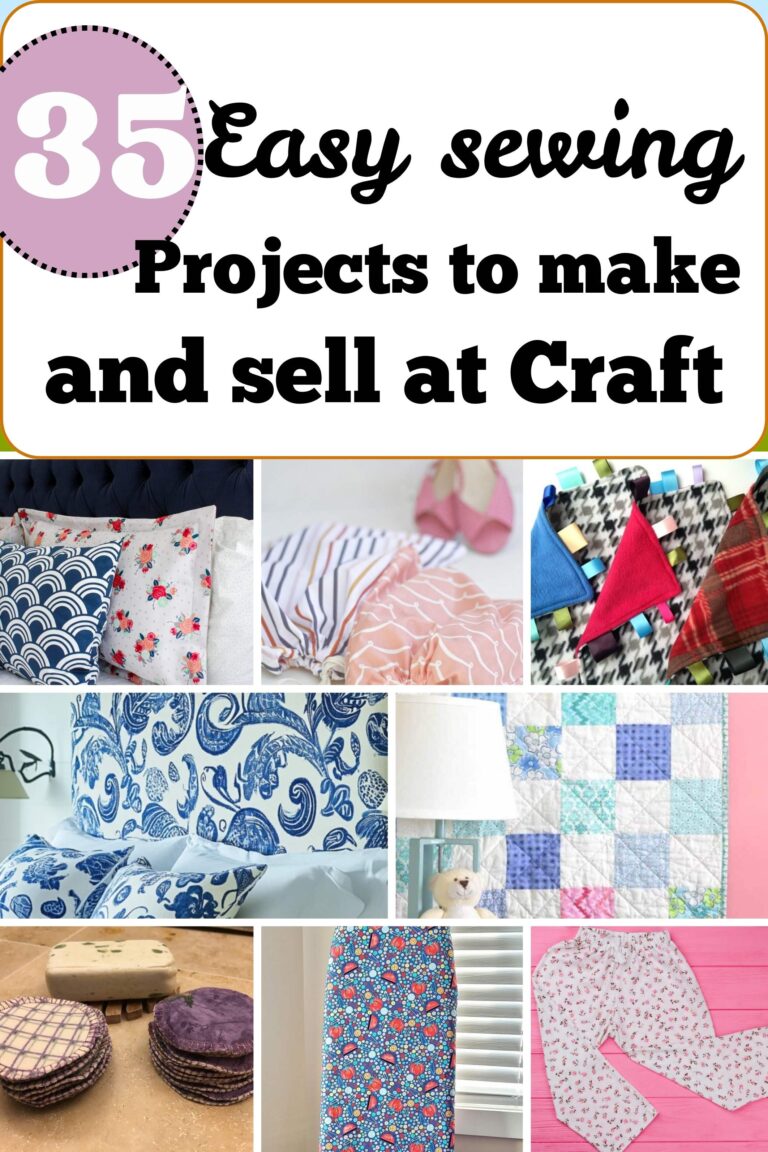
See more: 35 Simple Things to Sew and Use Everyday
2. Throw Pillow Shams
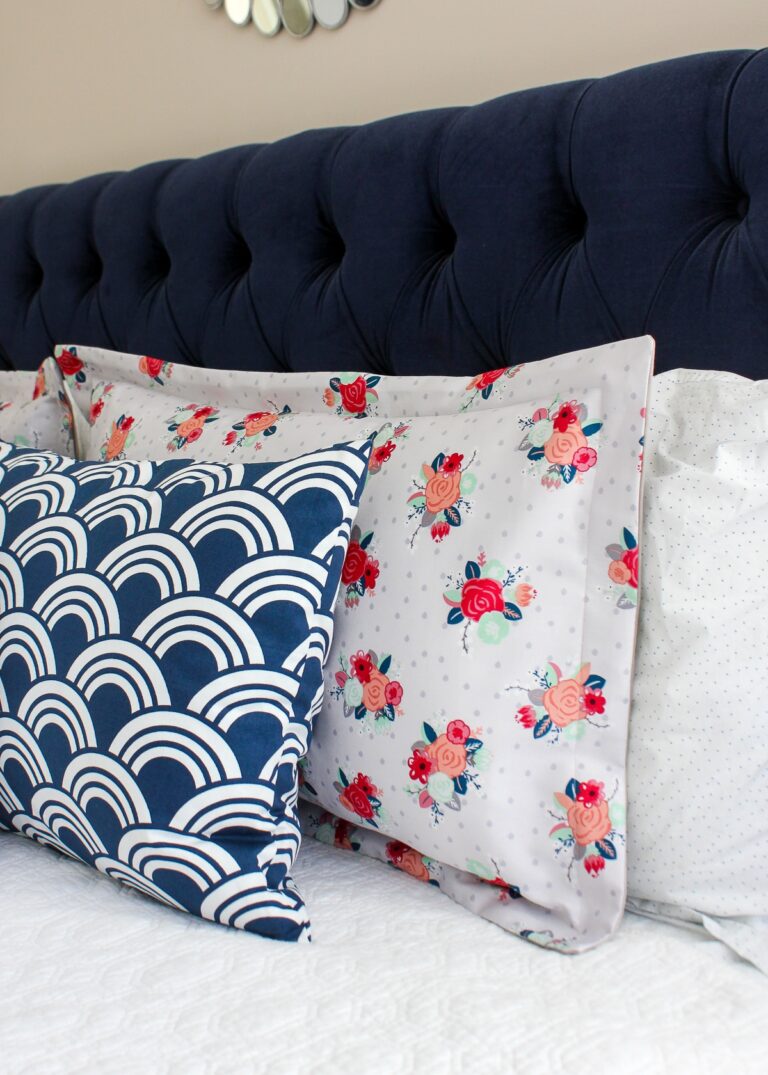
Sewing pillow shams offers a slightly more decorative version of cushion covers, often featuring details like flanges, ruffles, or button closures.
These projects let you practice techniques such as adding borders, creating pleats, or working with decorative trims while still keeping the construction relatively simple.
Shams can be made in sets to coordinate with your sofa or as statement pieces to stand out. They not only enhance the overall décor but also add comfort and coziness to the room.
Using fabrics like linen, faux silk, or patterned cotton gives shams a tailored finish, making them versatile enough for both casual and formal living room styles.
Save this for later; 25 Easy Things to Sew for Your Bedroom
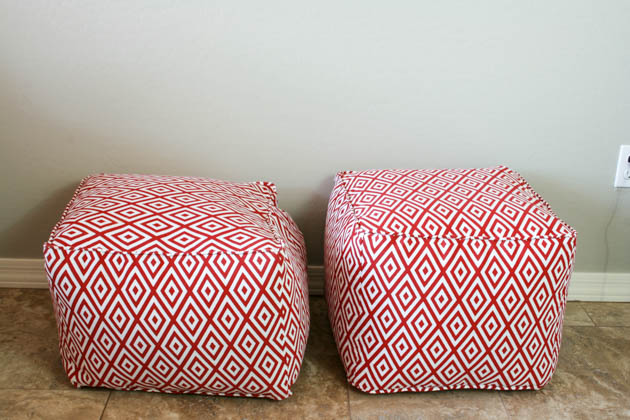
3. Floor Cushions or Poufs
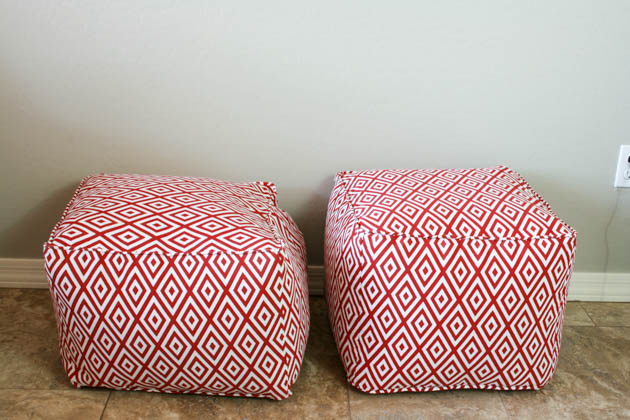
Large floor cushions or poufs are functional and decorative, offering extra seating when guests visit or acting as a cozy lounging spot for children.
These are sewn with sturdy fabrics like canvas, denim, or upholstery cloth, and often filled with foam, batting, or even scrap fabric for an eco-friendly option.
The design usually involves sewing large square or round panels together, sometimes with a zipper or hidden opening for easy refilling. You can add handles for portability, making them easy to move around the room.
They not only add comfort but also bring warmth and a relaxed atmosphere, perfect for family-friendly living rooms.
Related post: 30 Things to Sew for Babies and New Moms
4. Armrest Covers
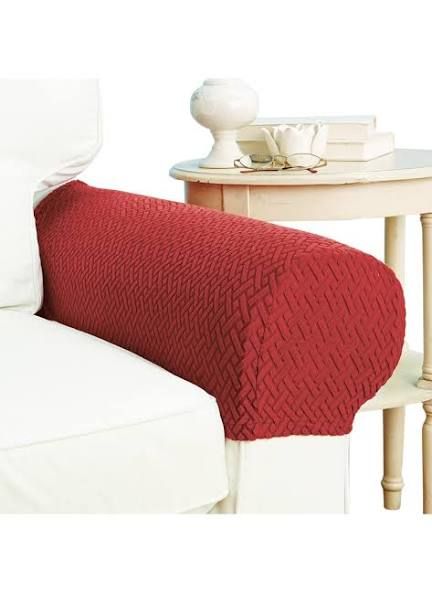
Armrest covers are simple but very practical sewing projects designed to protect your sofa or chair from daily wear, dirt, or spills while enhancing the overall look.
They are usually made from durable fabrics such as cotton twill or upholstery fabric, often lined with batting for extra durability. To make them stay in place, you can add ties, elastic, or even a non-slip backing.
Armrest covers can be tailored to match your sofa fabric for a seamless look, or made in contrasting prints for a pop of style.
They are easy to wash and replace, which makes them a long-lasting, functional addition to the living room.
5. Slipcovers for Stools or Ottomans
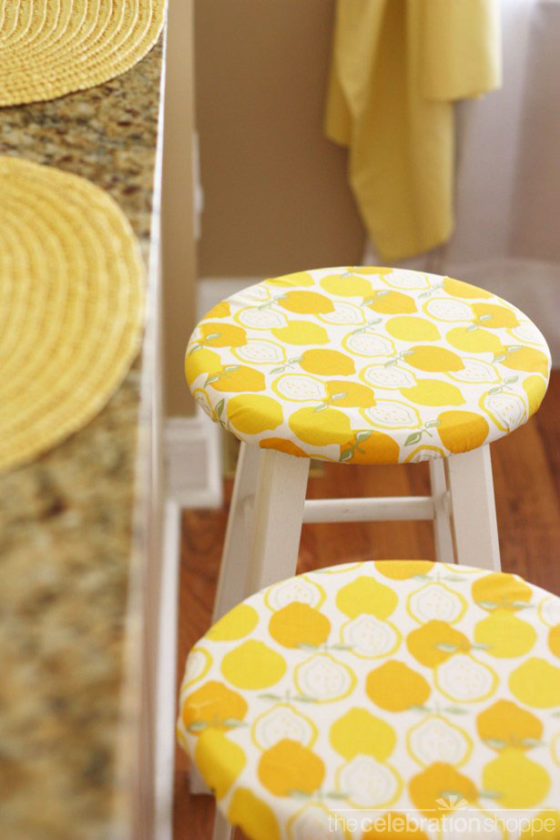
Sewing slipcovers for stools or ottomans is an excellent way to breathe new life into old furniture without having to reupholster.
These slipcovers can be sewn with elastic for a snug fit, ties for a relaxed look, or even zippers for easy removal.
Using upholstery fabric, canvas, or heavy cotton ensures durability, especially since stools and ottomans often get heavy use. You can also quilt or pad the covers for added comfort.
The best part is the customization you can match them with your curtains or cushions, making the furniture blend perfectly with the rest of the décor, while still being removable and washable.
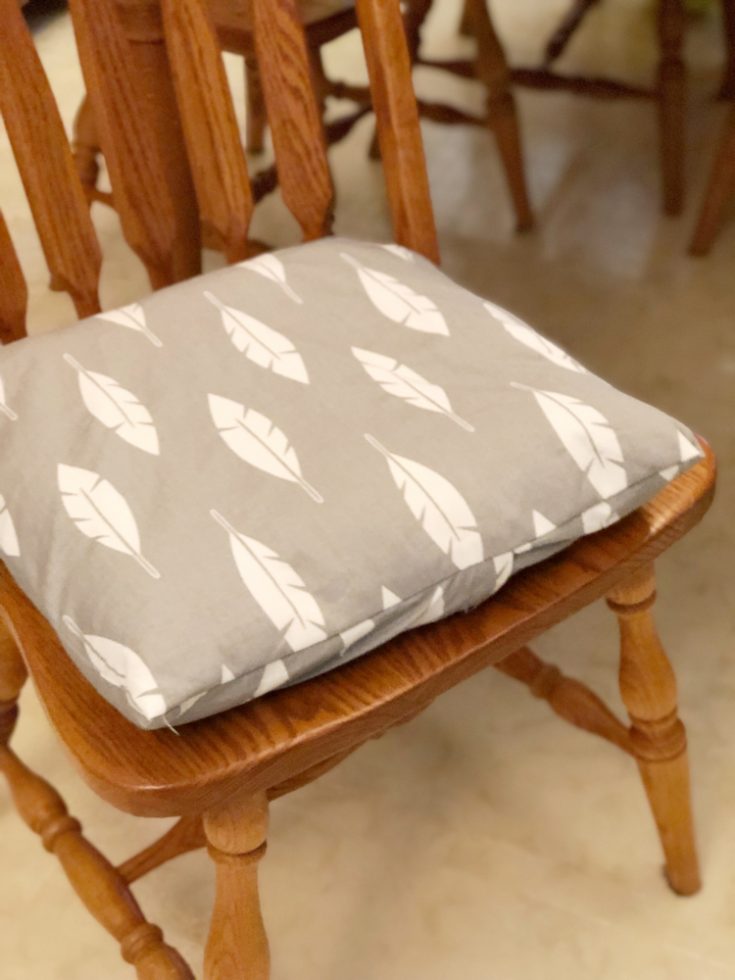
6. Seat Pad Covers
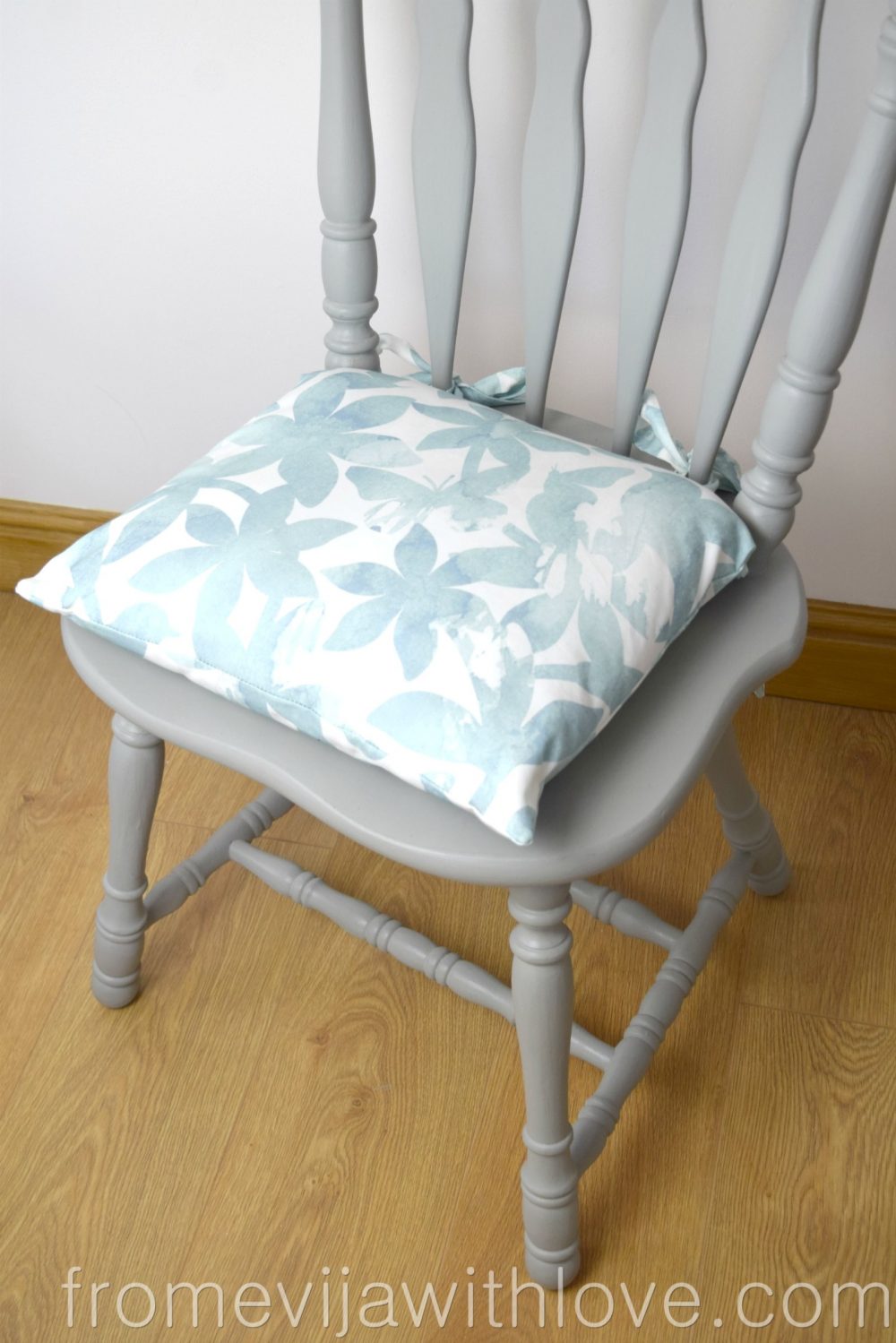
Seat pad covers are handy for dining chairs, accent chairs, or even wooden benches in the living room.
They typically feature ties or elastic straps to hold them in place and can be filled with foam or batting for extra comfort.
Fabrics should be chosen with durability in mind cotton canvas, denim, or even laminated fabrics for easy cleaning.
These covers not only add color and softness but also protect chairs from scratches or spills.
They are particularly useful if you like seasonal changes in décor, as you can easily switch covers for different occasions or holidays without replacing the entire pad.
This is worth saving: 40 Beginner Friendly Sewing Projects for Summer
7. Quilted Lap Throws
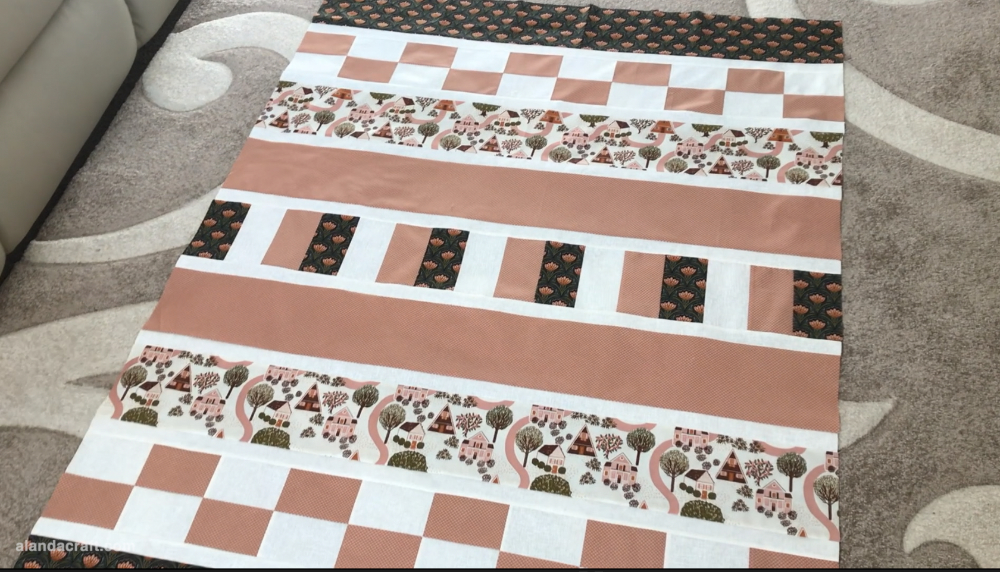
A quilted lap throw is both decorative and practical sewing ideas for the living room. They offer warmth during cooler evenings while acting as a statement piece draped over your sofa.
Beginners can start with simple patchwork squares, while those with more experience can experiment with quilt blocks or patterns.
Cotton fabrics are popular, but mixing flannels or fleece can make it cozier. The backing can be a soft fabric like flannel, with a layer of batting in between for warmth.
Binding the edges neatly completes the project, and you can customize the colors and patterns to coordinate with your living room’s palette. A handmade quilted throw also adds a personal, homely touch.
8. Bolster Pillow Covers
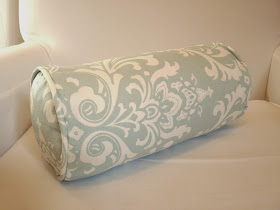
Bolster pillows are long, cylindrical cushions that add style and support to sofas, beds, or reading nooks, and sewing covers for them is straightforward.
They usually require a rectangular piece of fabric with drawstring ends or zippered closures, making them easy to remove and wash. Upholstery fabrics, cotton, or even velvet can be used, depending on the look you want casual, elegant, or cozy.
These pillows not only provide neck or back support but also act as decorative accents that break the monotony of square cushions.
Bolster covers are quick to make, allowing you to experiment with colors, piping, or trims for extra flair.
9. Reading Pillow with Pockets
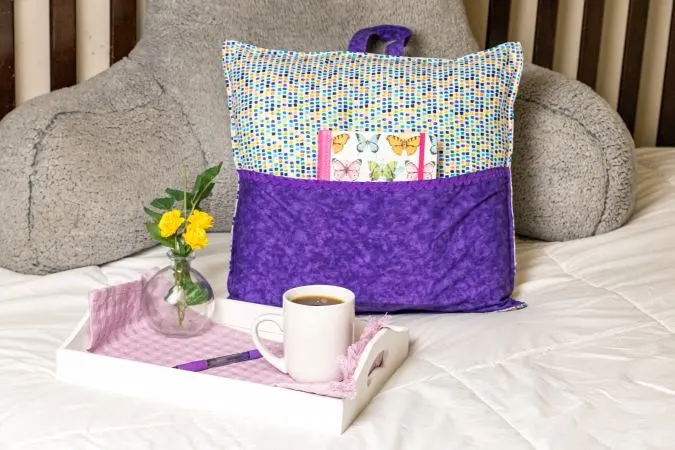
A reading pillow, sometimes called a book pillow, is designed to provide comfort while lounging and reading.
These are often square pillows with an extra pocket on the front to hold a book, tablet, or even the TV remote. They can also have handles on top for easy carrying.
Cotton or quilting fabrics are excellent for this project, and you can add batting or foam inside for sturdiness. Reading pillows are functional yet fun, making them a thoughtful handmade addition to your living room.
They’re especially great for family spaces, encouraging cozy reading time while doubling as organized storage.
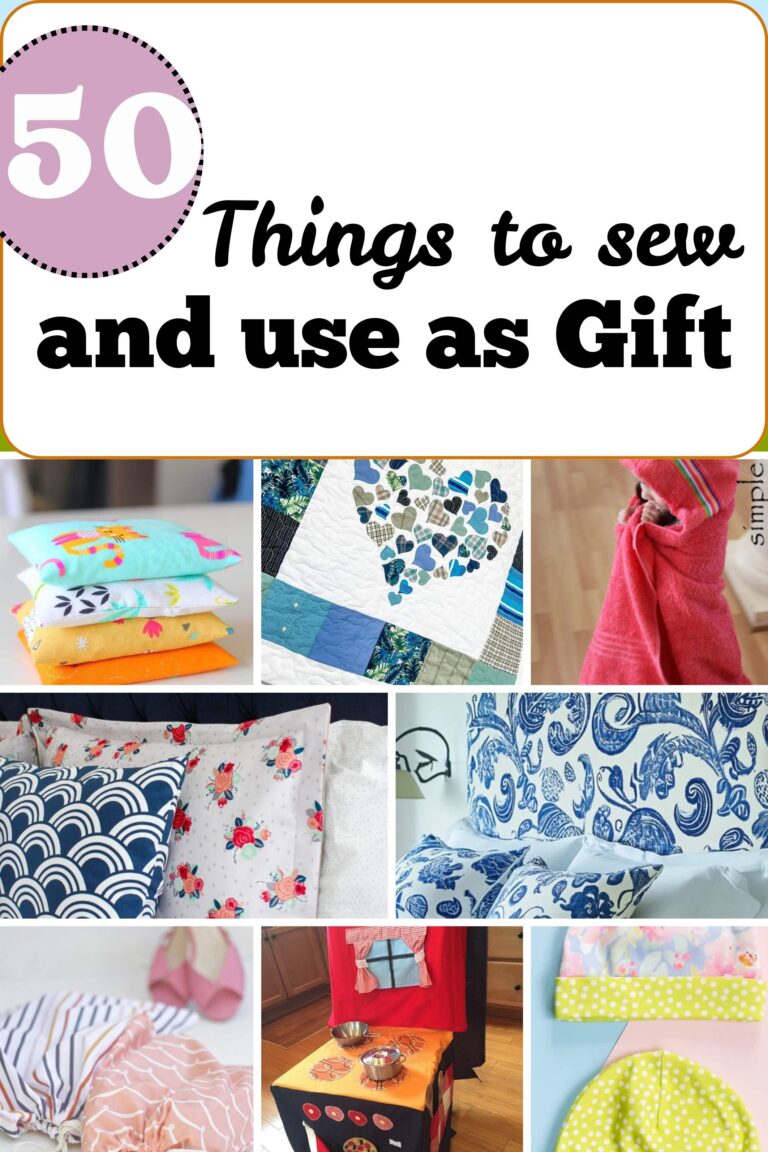
Save this guide: 50 Things to Sew and Give as Gifts
10. Neck Roll Cushions
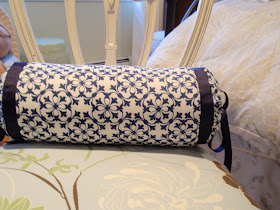
Neck roll cushions are smaller cylindrical pillows that give neck support and can also serve as decorative elements.
Sewing one involves creating a simple tube with gathered or tied ends, often with a zippered option for easy removal.
They can be filled with poly-fill, foam, or even firm batting, depending on the comfort level desired. Fabrics like cotton, velvet, or jacquard add different textures and levels of elegance.
Neck roll cushions are practical for both lounging and napping, and they add a touch of sophistication to sofas and chairs while complementing larger cushions or throws.
11. Fabric Baskets
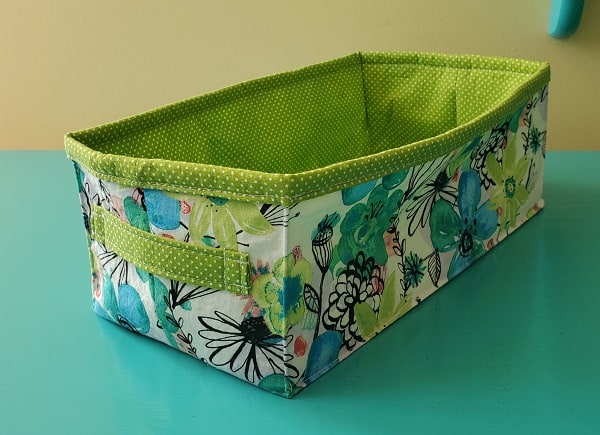
Fabric baskets are one of the most versatile sewing ideas for the living room, offering stylish storage for magazines, toys, or knitting supplies.
They are usually made from sturdy materials like canvas, denim, or upholstery fabric and can be reinforced with interfacing or fusible fleece to make them stand upright.
Handles can be added for portability, and you can play with different sizes to fit shelves or tuck into corners.
Fabric baskets are washable, customizable with prints or embroidery, and can double as decorative accents that make your living room look both neat and inviting.
Similar post: 40 Simple Sewing Projects to Organize Your Home
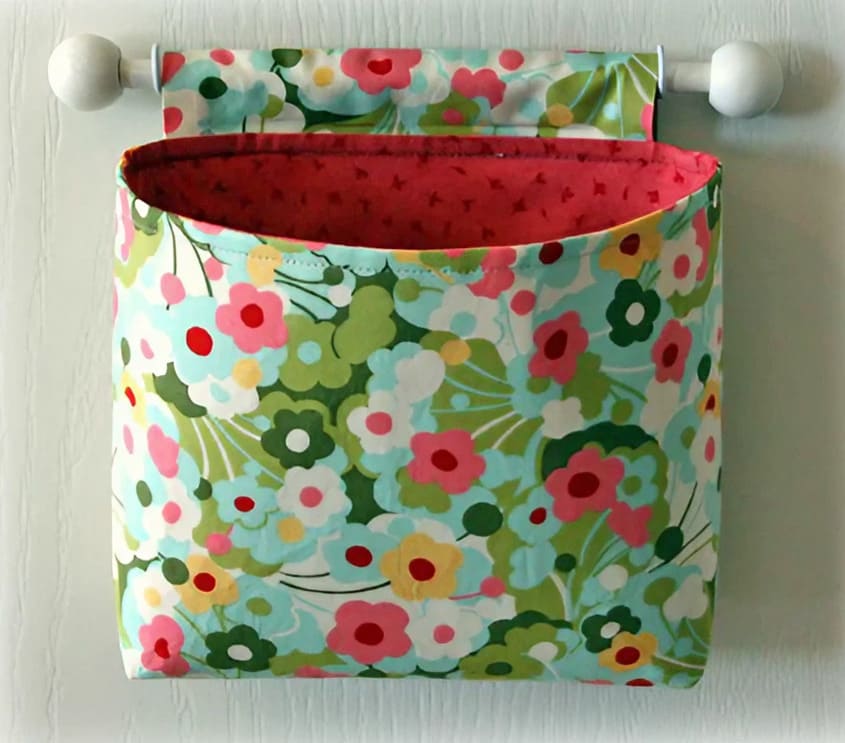
12. Hanging Wall Pockets
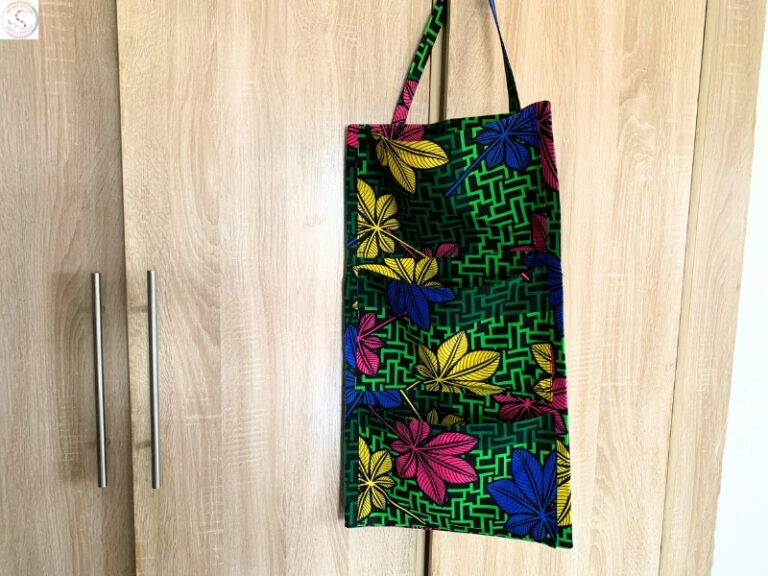
Hanging wall pockets combine organization with decoration, making them a perfect addition to a living room wall or behind a door.
They can be sewn from durable cotton or canvas and hung on a dowel or coat hook for easy access.
Multiple pockets of varying sizes can hold everything from mail and stationery to chargers or small accessories, reducing clutter on tables.
Adding embellishments such as contrasting trims, appliqué, or quilting can make them visually appealing while still serving a functional role.
This project is easy to adapt to any wall space, turning unused areas into organized storage.
13. Remote Control Caddy
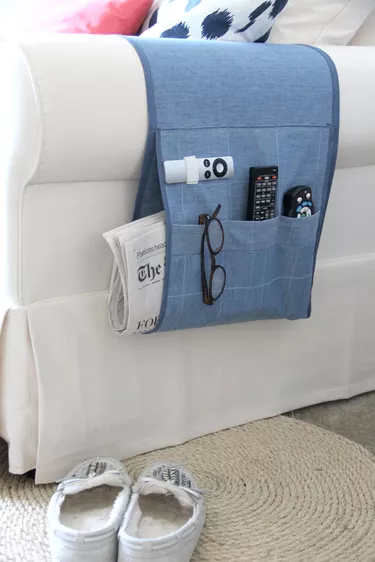
The remote control caddy is a practical sewing ideas for the living room. They are project that drapes over the arm of your sofa or chair, with several stitched compartments for remotes, glasses, pens, or even snacks.
It’s usually made from sturdy cotton, denim, or upholstery fabric with interfacing to hold its shape, and sometimes features a weighted flap to prevent slipping.
The design can be simple with one large pocket or more elaborate with multiple sections.
A remote caddy reduces the frustration of lost remotes while keeping your living room organized, and it’s small enough to sew in under an hour for instant results.
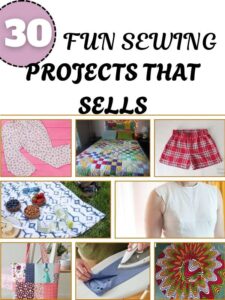
Recommended for you: 35 Quick Sewing Projects You Can Finish Under an Hour
14. Fabric Bins
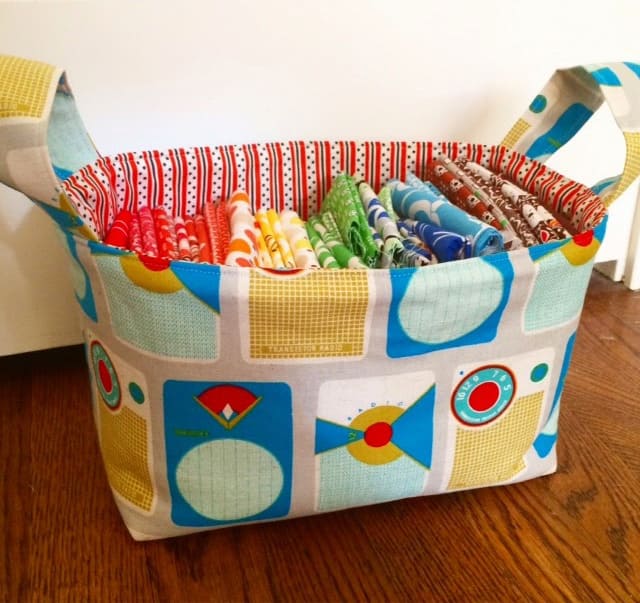
Fabric bins are soft yet structured containers that can be used on shelves, coffee tables, or under consoles to store miscellaneous living room items.
They’re typically made with quilting cotton on the outside, a sturdy lining, and interfacing for stiffness.
Handles or tabs can be added for easy lifting, and their sizes can be customized to fit storage units or open shelving. Because they are fabric, they can be folded away when not in use, making them space-efficient.
Sewing a set in matching fabrics ties your décor together while keeping everything neatly stored.
You might also love: 40 Simple Sewing Projects to Organize Your Home
15. Storage Ottoman Cover with Pockets
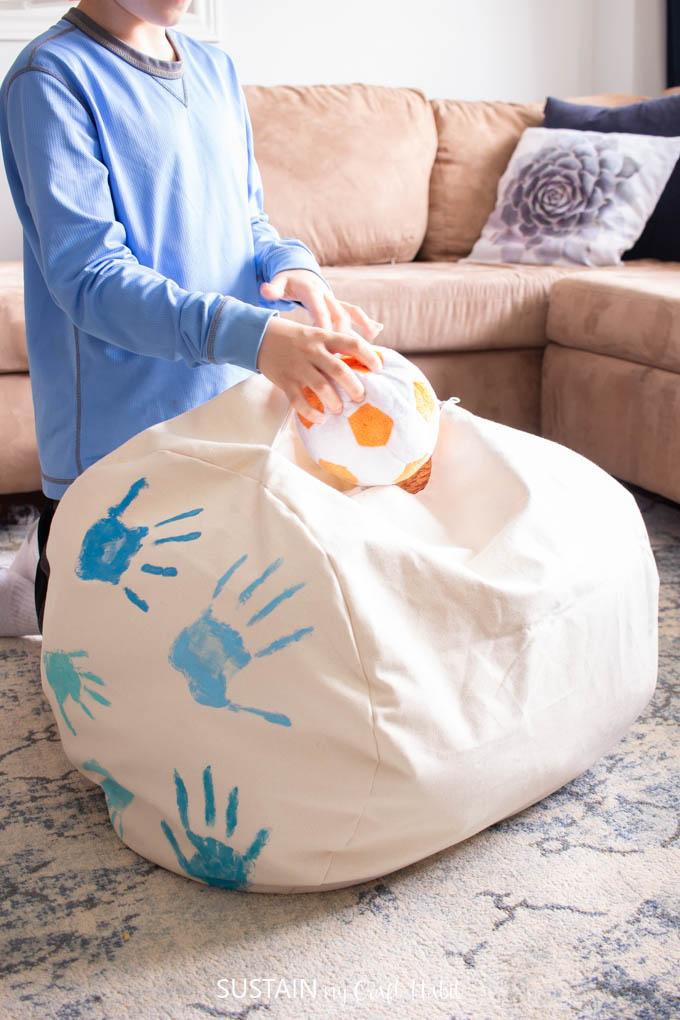
Transforming an ottoman with a slipcover that has built-in pockets gives this living room staple new purpose.
The slipcover itself is made from upholstery or heavy cotton fabric and is sewn to fit snugly over the ottoman, with additional fabric strips or panels attached to create storage compartments around the sides.
These pockets can hold magazines, books, or knitting projects while keeping the surface clutter-free.
It’s a clever way to refresh worn-out ottomans and add hidden functionality, all while matching the cover to your living room’s color scheme.
16. Hanging Storage Bag
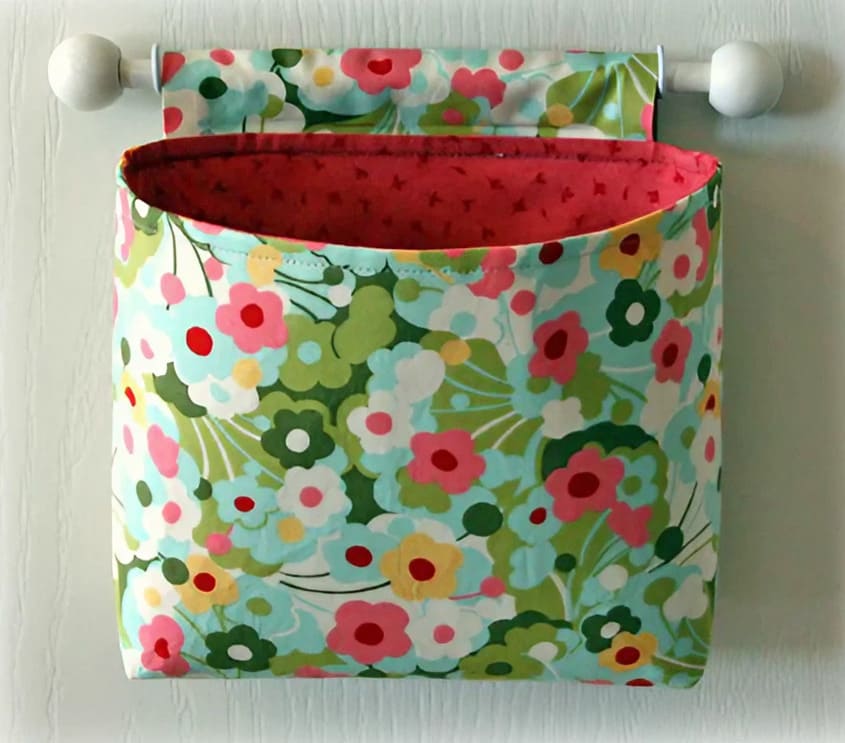
Hanging storage bags are simple drawstring or pocketed bags that can be hung from a hook, knob, or even the side of a console table.
They are perfect for stashing small items like toys, craft supplies, or rolled-up blankets.Made from cotton, denim, or canvas, these bags are easy to wash and can be lined with a fun print for added flair.
The best part is their flexibility they can be moved around the living room as needed, serving as temporary catch-alls that keep clutter off the floor or furniture while still looking decorative.
You might also love: 25 Easy Sewing Projects One Can Do Without Pattern
17. Fabric Tray Liners
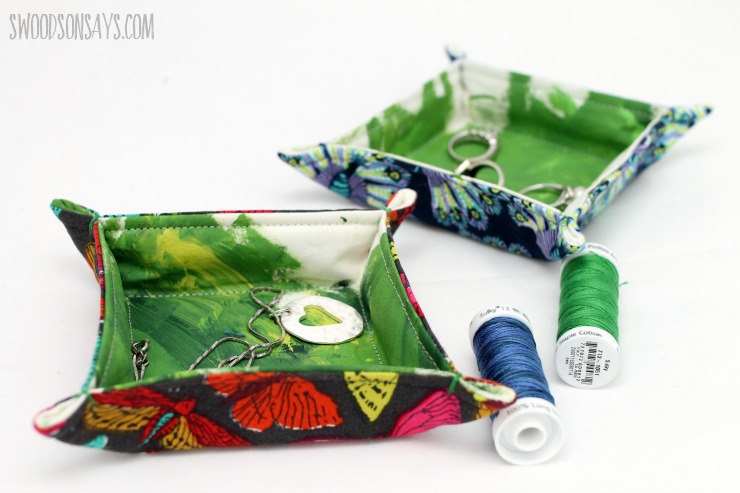
A fabric tray liner is a simple rectangular mat sewn to fit inside or on top of a serving tray, making it both decorative and protective.
It prevents scratches on wooden trays and absorbs condensation from drinks, while adding color and style to your coffee or side tables.
You can make them reversible, quilted, or trimmed with lace for a decorative edge. They’re easy to wash, meaning you can switch them out seasonally or use them for different occasions.
This small project can be a subtle yet classy way to tie together the fabrics in your living room décor.
18. Tissue Box Cover
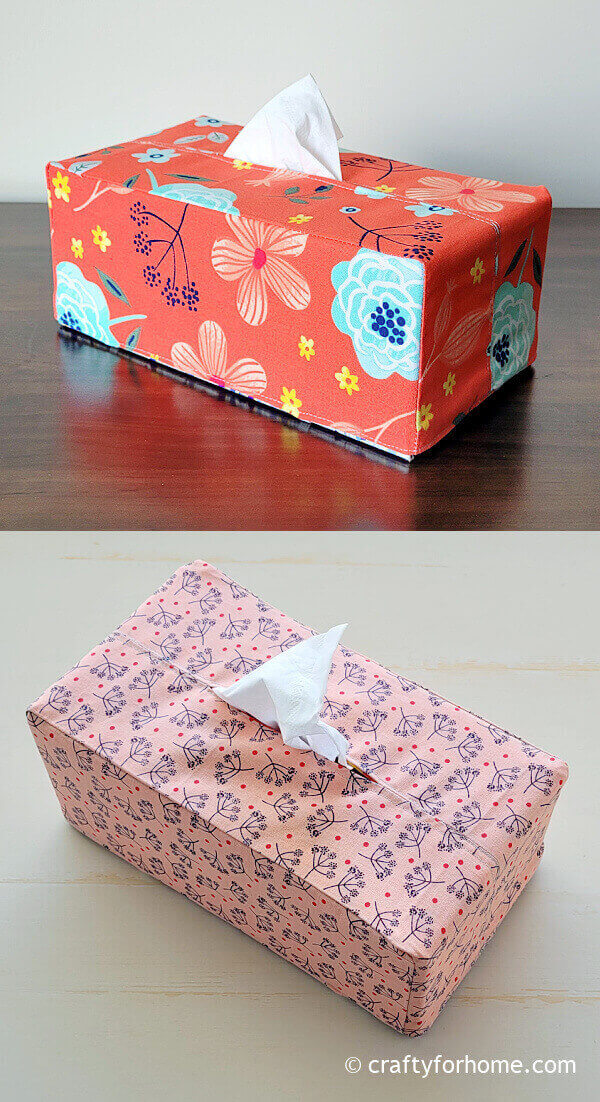
A fabric tissue box cover turns an ordinary tissue box into a stylish accessory that matches your living room décor.
It’s usually sewn in a cube or rectangular shape, with an opening at the top for tissues to pull through.
Fabrics can be chosen to coordinate with curtains, cushions, or tablecloths, and embellishments such as piping, embroidery, or appliqué add personality. Some designs are even reversible, giving you two looks in one.
Quick to make, tissue covers are a thoughtful project that hides a functional item in plain sight while elevating the overall appearance of your living room.
Related reads: 35 Quick Sewing Projects You Can Finish Under an Hour
19. Cord Organizers
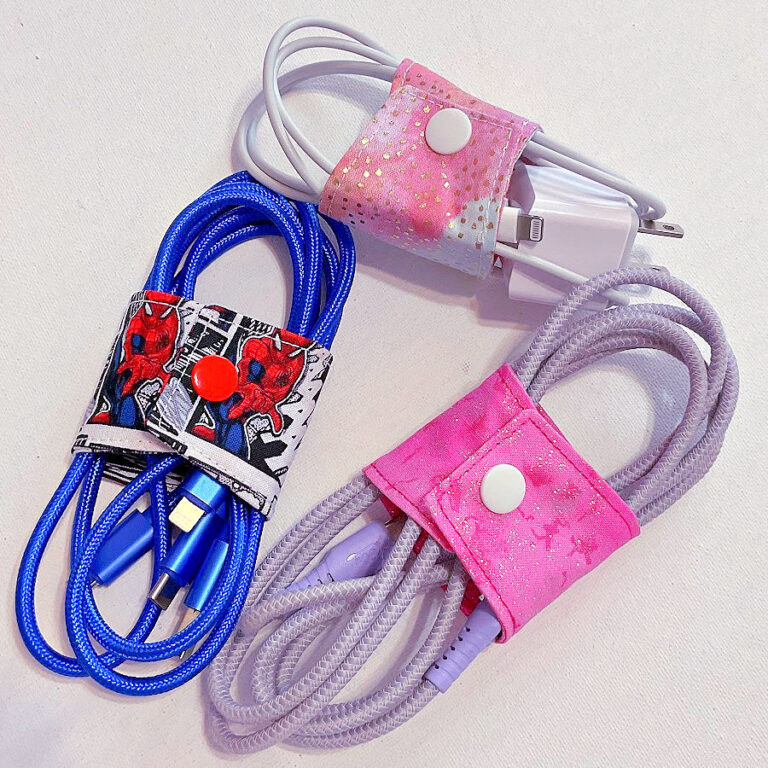
Cord organizers are one of the small but useful sewing ideas for the living room. They are designed to keep lamp cords, phone chargers, or electronic wires neat and tangle-free.
They’re usually made from fabric scraps reinforced with interfacing, then closed with Velcro, snaps, or buttons. You can make several in coordinating fabrics to keep everything uniform and stylish.
While they’re practical for managing living room clutter, they also make cleaning easier by preventing cords from knotting behind furniture.
Cord wraps are quick to sew and an excellent way to use up leftover fabric while solving a common everyday annoyance.
20. Storage Cube Slipcovers
Storage cube slipcovers are sewn to fit over collapsible or rigid storage cubes, transforming plain organizers into stylish, coordinated décor pieces.
These covers can be made from cotton, canvas, or linen, often with added details like handles, labels, or decorative trims.
They’re removable and washable, making them practical for family living rooms where bins often get dusty or stained.
Slipcovers allow you to refresh your storage cubes seasonally, match them with your curtains or pillows, and give a uniform, polished look to open shelving units while still keeping the storage function intact.
21. Curtains with Rod Pocket or Tabs
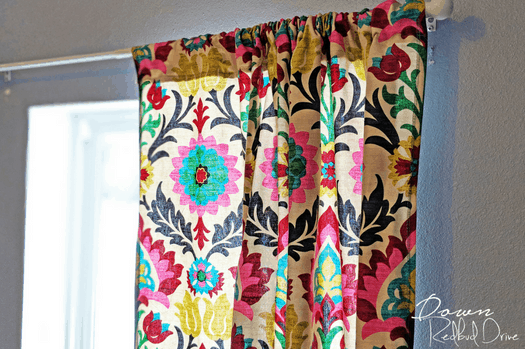
Sewing your own curtains is a simple yet transformative project for the living room.
Rod pocket curtains are easy for beginners, requiring straight seams and a hemmed top where the curtain rod slides through, while tab-top curtains add a decorative touch with fabric loops. You can choose lightweight cotton for airy, casual spaces or heavier linen and velvet for a more formal feel.
Curtains allow you to control natural light, add color or pattern to the room, and instantly make a space feel finished.
Adding lining or interlining can provide extra opacity, insulation, or a professional drape, elevating even a basic curtain design.
See related post : 25 Easy Sewing Projects One Can Do Without Pattern
22. Roman Shades
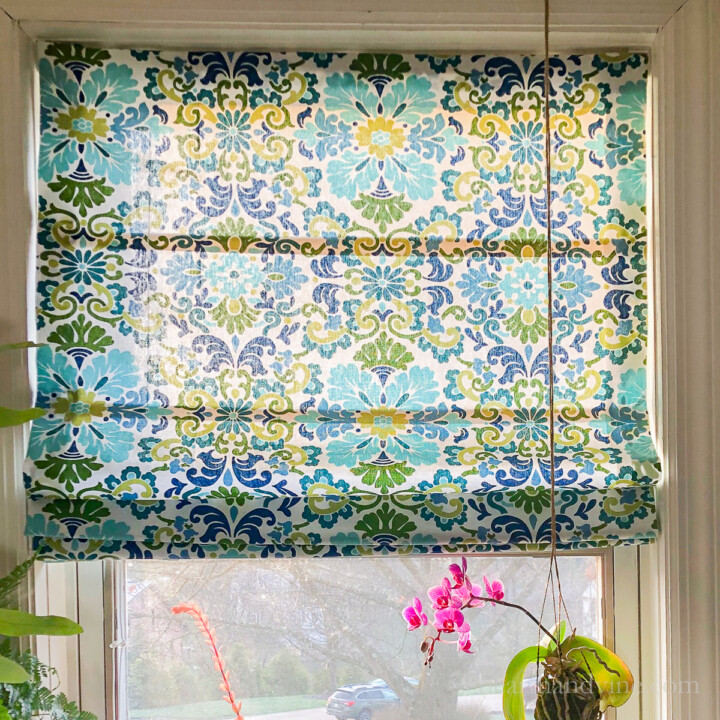
Roman shades are a slightly more structured window treatment that combines functionality with a tailored aesthetic.
They are made by sewing panels of fabric that fold neatly when raised and fall flat when lowered. You can use cotton, linen, or textured fabrics, and even add interfacing for body and stability.
Sewing a Roman shade may involve some precision for measurements and pleats, but it is manageable with basic sewing skills.
The end result gives your living room a sleek, custom window covering that saves space, filters light, and adds a polished, professional look without the expense of ready-made shades.
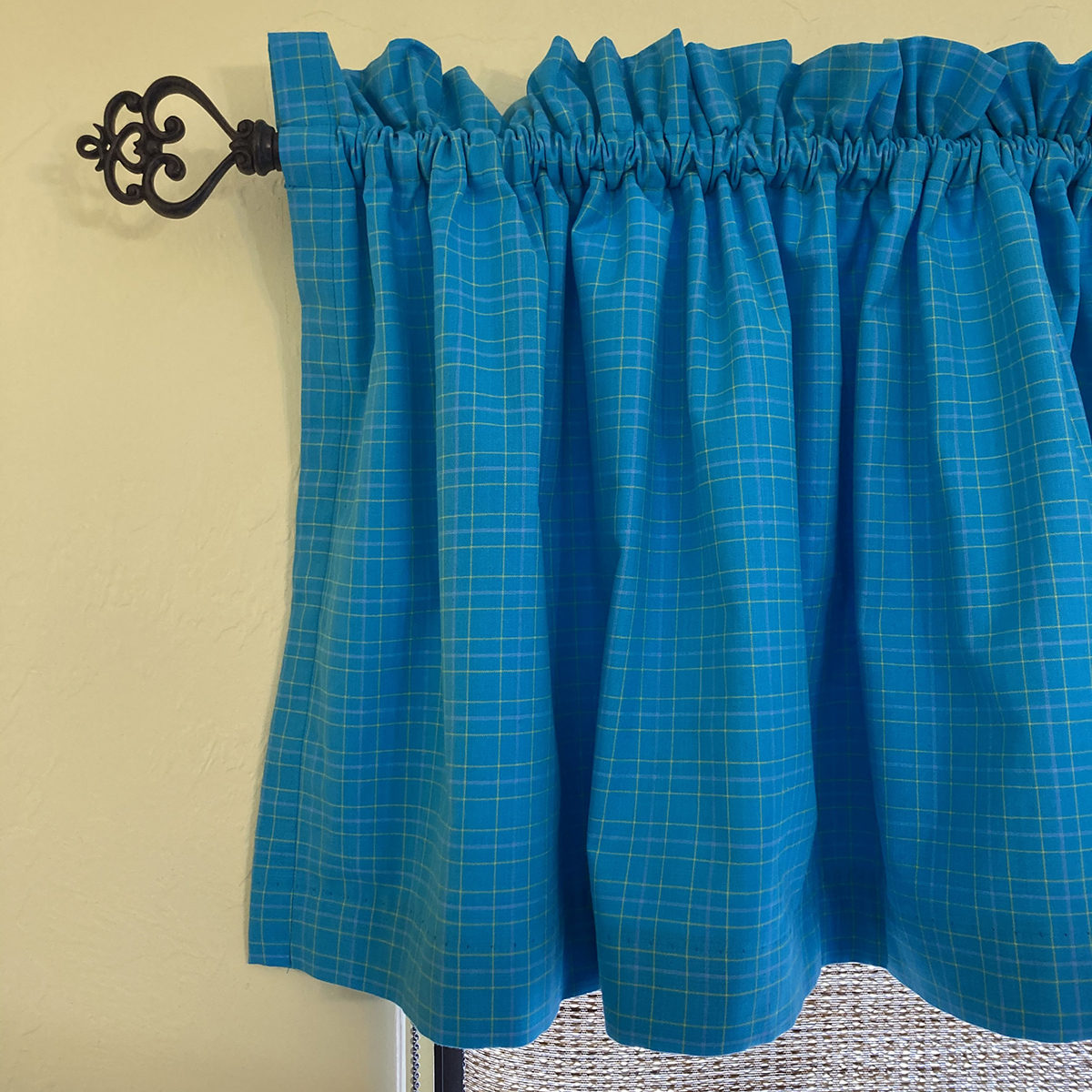
23. Fabric Valances
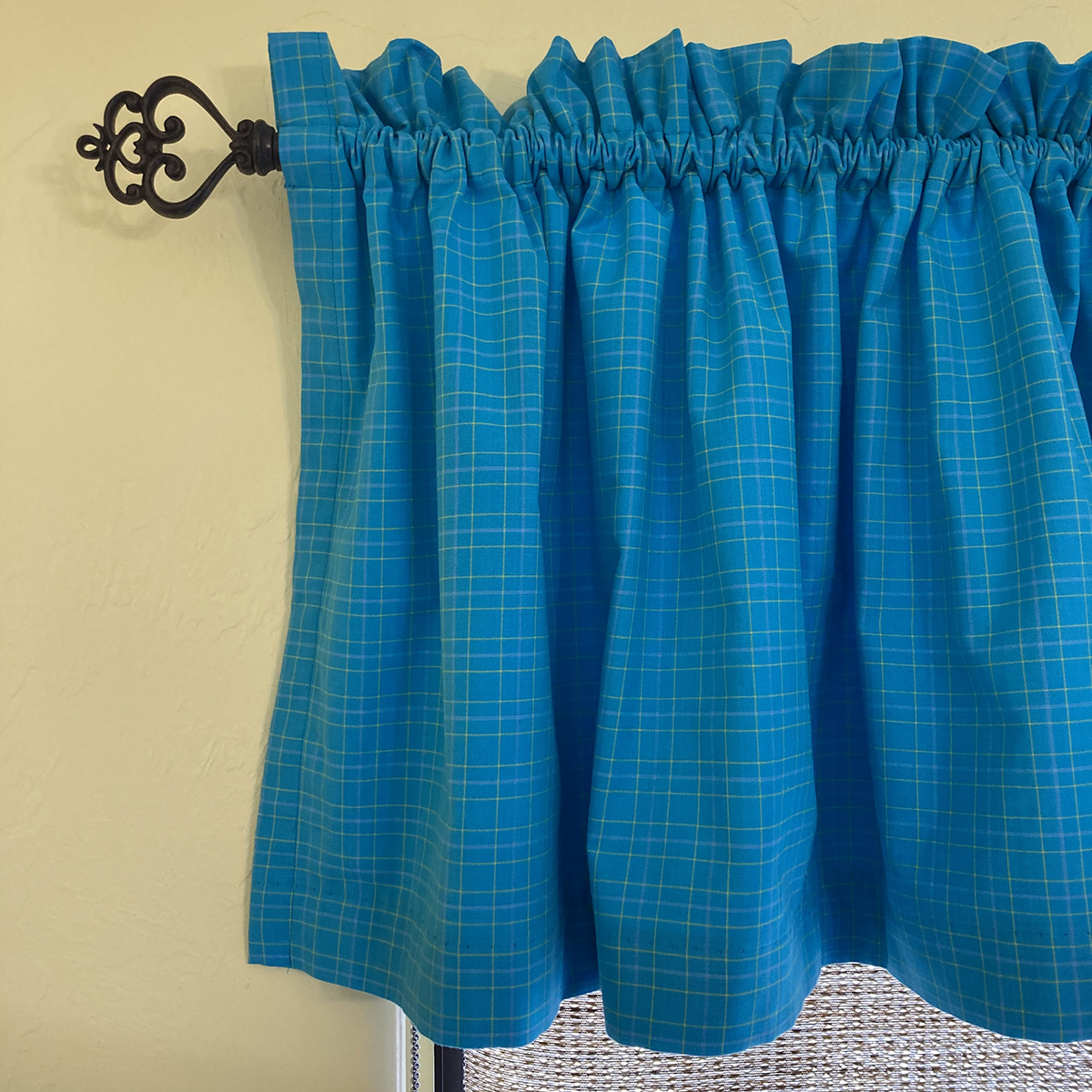
Fabric valances are short curtain panels that hang at the top of a window, adding a decorative touch while hiding curtain rods or hardware.
They are quick to sew and can be as simple as a rectangular panel or more elaborate with pleats, scalloped edges, or gathered details.
Using lightweight fabrics such as coHangings
ile, or sheer polyester makes the sewing process easier and allows the valance to drape beautifully.
Valances complement your main curtains or stand alone over small windows, giving a living room a refined, finished look with minimal effort and fabric usage.
You might also love: 25 Easy Sewing Ideas for the Bathroom
24. Sheer Curtain Panels
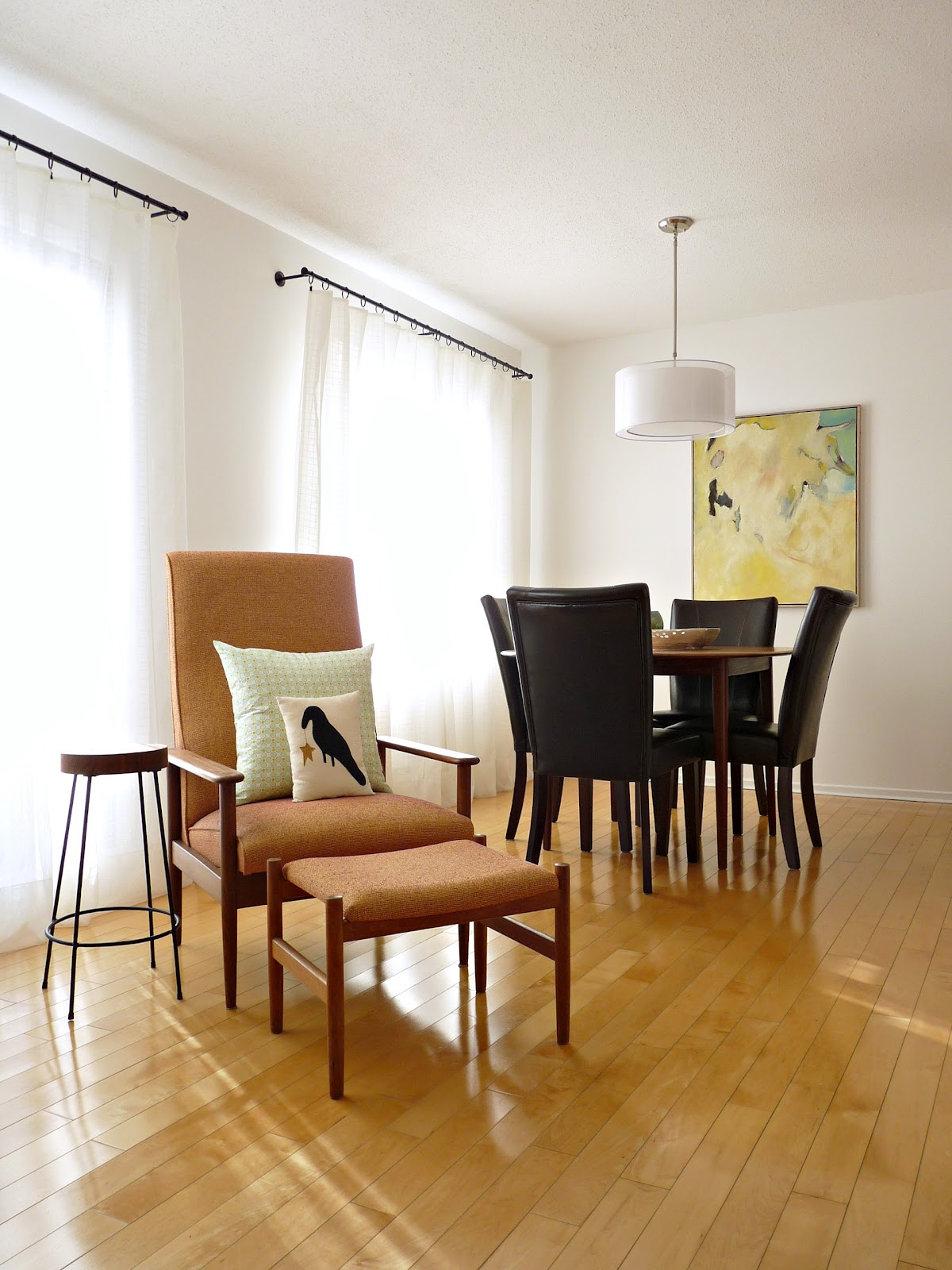
Sheer curtain panels create a soft, light-filled atmosphere in your living room, allowing sunlight to filter through while maintaining some privacy.
They are usually made from lightweight fabrics such as voile, chiffon, or organza, which can be challenging to handle but provide an elegant, flowing effect.
Sewing them typically involves straight hems and perhaps a simple rod pocket or tab-top finish.
Sheer panels can be layered with heavier curtains for versatility, adding texture and dimension to your windows.
They are quick to make, easy to wash, and transform ordinary windows into a delicate, airy focal point.
25. Fabric Wall Hangings
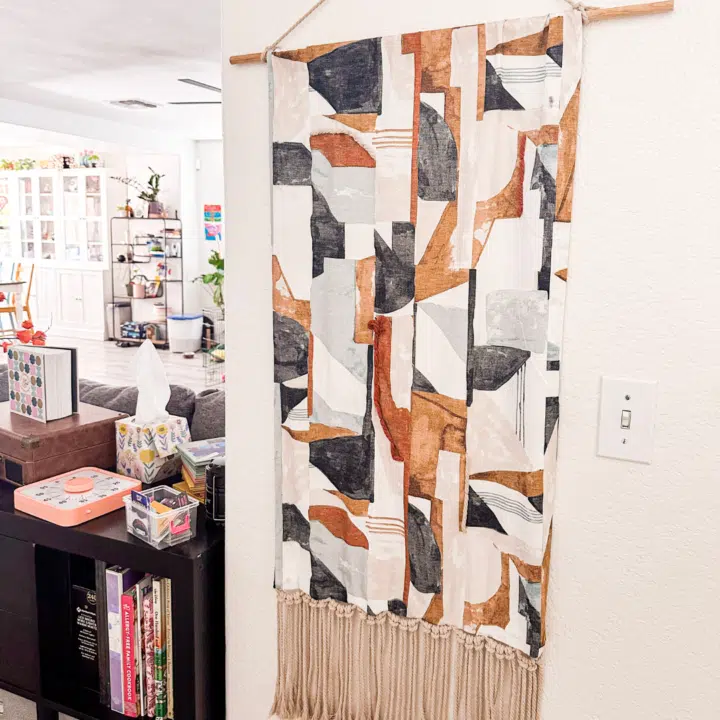
Fabric wall hangings are essentially homemade tapestries that can add color, pattern, and texture to blank walls.
They can be as simple as a single piece of fabric stretched over a wooden dowel or as detailed as a patchwork quilted design.
Using techniques like appliqué, embroidery, or piecing adds visual interest and allows you to personalize your living room décor.
Wall hangings are versatile they can act as focal points, frame art, or complement your existing color scheme.
Sewing them is often straightforward, but the result is a striking decorative feature that reflects your personal style and craftsmanship.
Keep reading: 40 Simple Sewing Projects to Decorate Your Home
26. Fabric Bulletin Board Cover
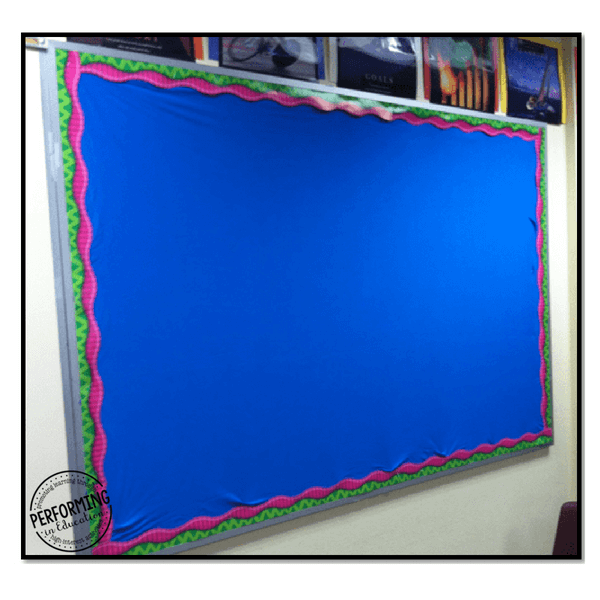
A fabric-covered bulletin board is both practical and decorative, perfect for organizing notes, photos, or reminders in a living room office corner or entryway.
The project involves stretching fabric over cork or foam boards and securing it neatly with staples or stitching.
You can choose coordinating fabrics and trims to make the board visually appealing, and add ribbon or elastic straps to hold papers in place.
These covers allow you to blend functional items seamlessly into your décor while providing a personalized, handmade touch that is easy to update as seasons or tastes change.
27. Quilted Wall Art
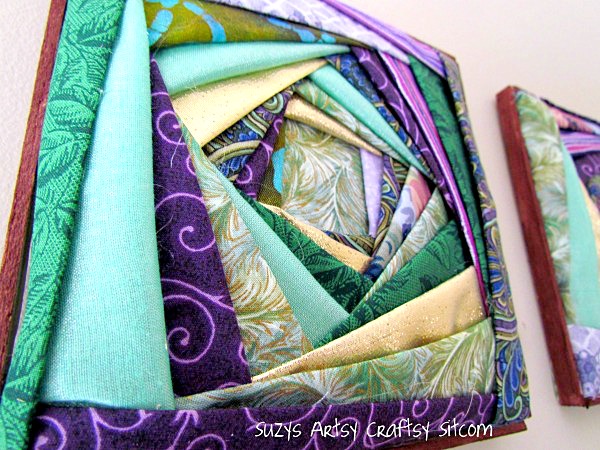
Quilted wall art involves sewing small quilt blocks or patterns and framing them as decorative pieces for your walls.
You can experiment with colors, patterns, and textures, creating geometric, floral, or abstract designs that complement your living room’s color scheme. Cotton fabrics with thin batting are ideal, as they give structure without excessive bulk.
This project combines sewing practice with home décor, allowing you to display your creativity in a functional way.
Quilted wall art can be hung alone as a statement piece or in sets to create a gallery wall effect, adding warmth and personality to your space.
Recommended for you: 35 Beginner Sewing Projects That Actually Sells
28. Fabric Banners or Garlands
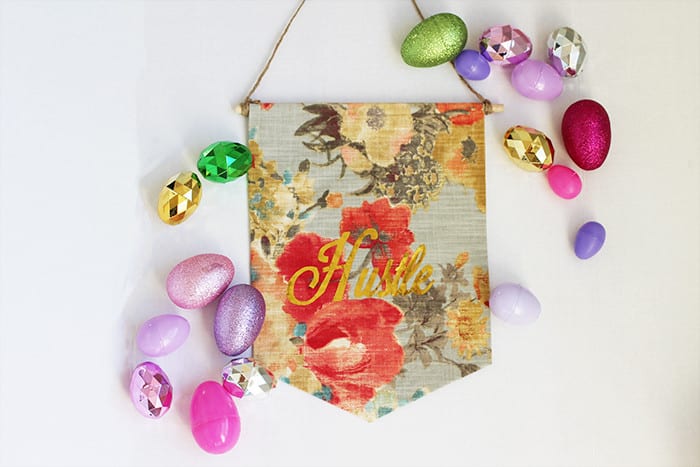
Fabric banners and garlands are charming decorations that add movement, color, and festivity to a living room.
They can be sewn using simple shapes like triangles, hearts, or circles and strung together with ribbon, twine, or cord.
These projects are excellent for using up fabric scraps and can be customized for holidays, parties, or everyday décor.
Sewing banners allows for creativity in choosing patterns, textures, and colors, and the finished pieces are lightweight and portable.
Draped across a wall, mantel, or shelf, they create a playful yet stylish accent in the room.
29. Embroidered Fabric Frames
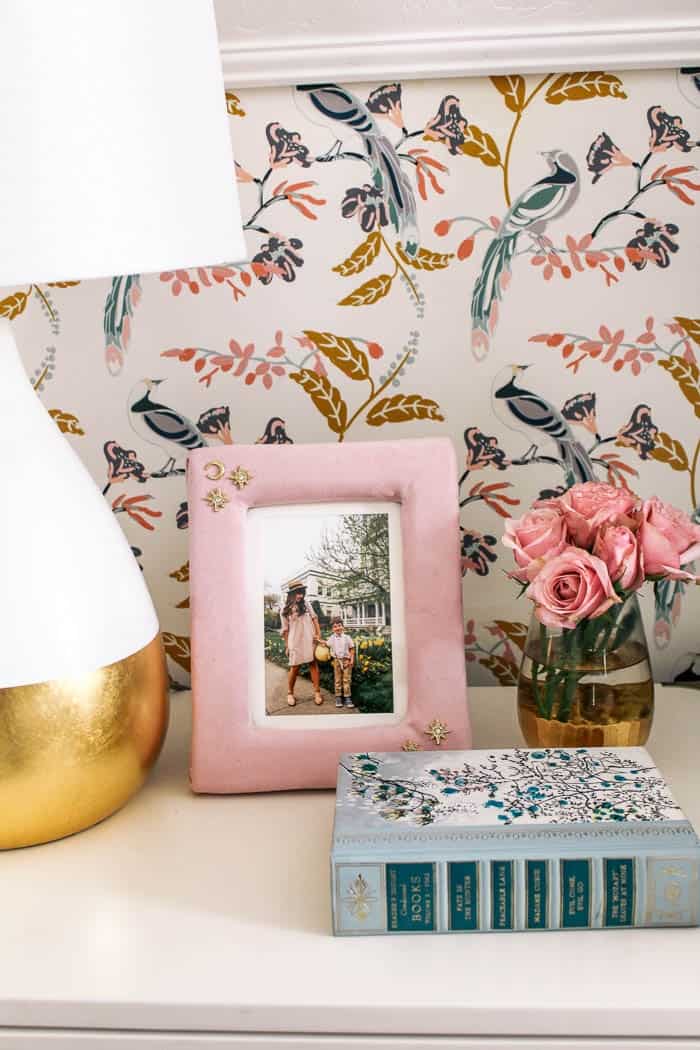
Embroidered fabric frames turn simple fabric into art that can be displayed on walls or shelves.
You can stitch patterns directly onto a fabric panel, then mount it inside a frame or hoop for display.
Using embroidery threads, beads, or applique, these pieces allow for intricate designs while keeping the sewing manageable. The frames can match your living room color palette or introduce accent colors.
This project combines sewing, handwork, and creativity, producing personalized, decorative pieces that showcase your skills and bring texture and interest to otherwise blank wall spaces.
You might also love: 50 Things to Sew and Give as Gifts
30. Wall Pocket Organizers
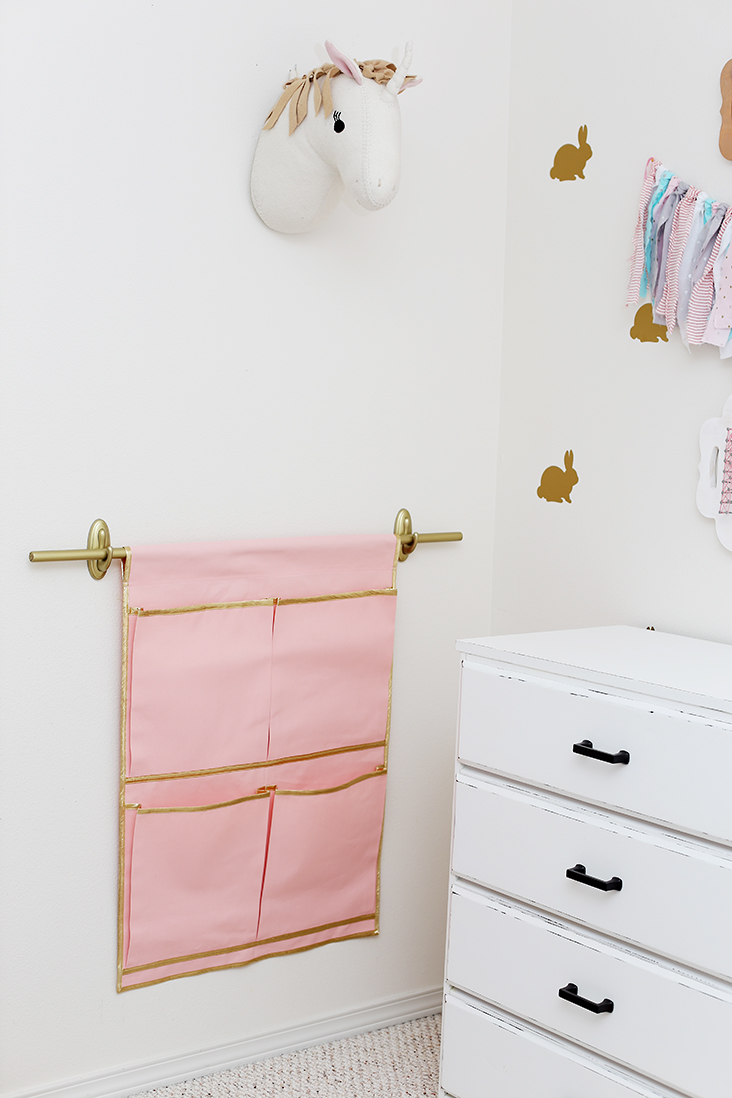
Wall pocket organizers are one of the useful sewing ideas for the living room. They are fabric panels with multiple pockets sewn in, designed to hold everyday items like keys, mail, magazines, or small electronics.
They are made from cotton, canvas, or decorative upholstery fabric and can be mounted on a dowel, hook, or nail. Some designs include closures like buttons, Velcro, or flaps to keep items secure.
Wall pocket organizers save space while keeping clutter off surfaces, combining functionality with visual appeal.
They are a practical, handmade addition to any living room, especially for busy households or smaller spaces where organization is key.
31. Table Runners
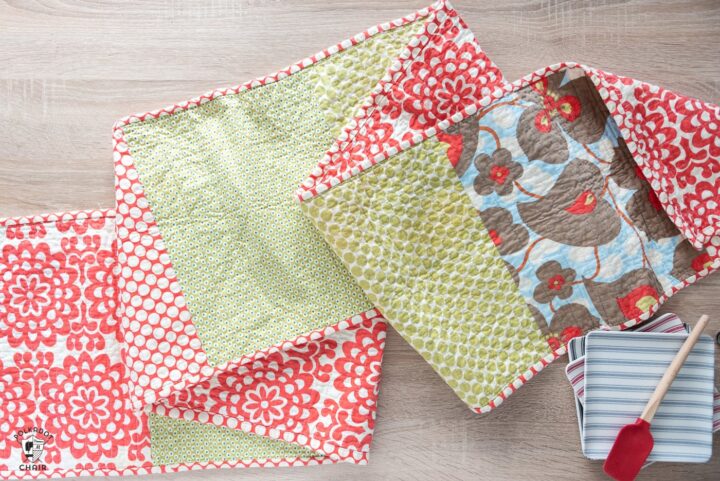
Table runners are part of the simplest sewing ideas for the living room. They are long, narrow pieces of fabric that can dress up a coffee table, console, or dining table while protecting the surface underneath.
They are relatively easy to sew, requiring straight seams and neat hems, but allow for creative expression through quilting, patchwork, appliqué, or decorative trims.
Using fabrics such as cotton, linen, or velvet, you can coordinate runners with other décor elements like cushions or curtains.
Table runners instantly elevate the style of a table and can be swapped seasonally or for special occasions, making them both a functional and decorative sewing project.
Related reads: 40 Simple Sewing Ideas for the Living Room
32. Fabric Placemats
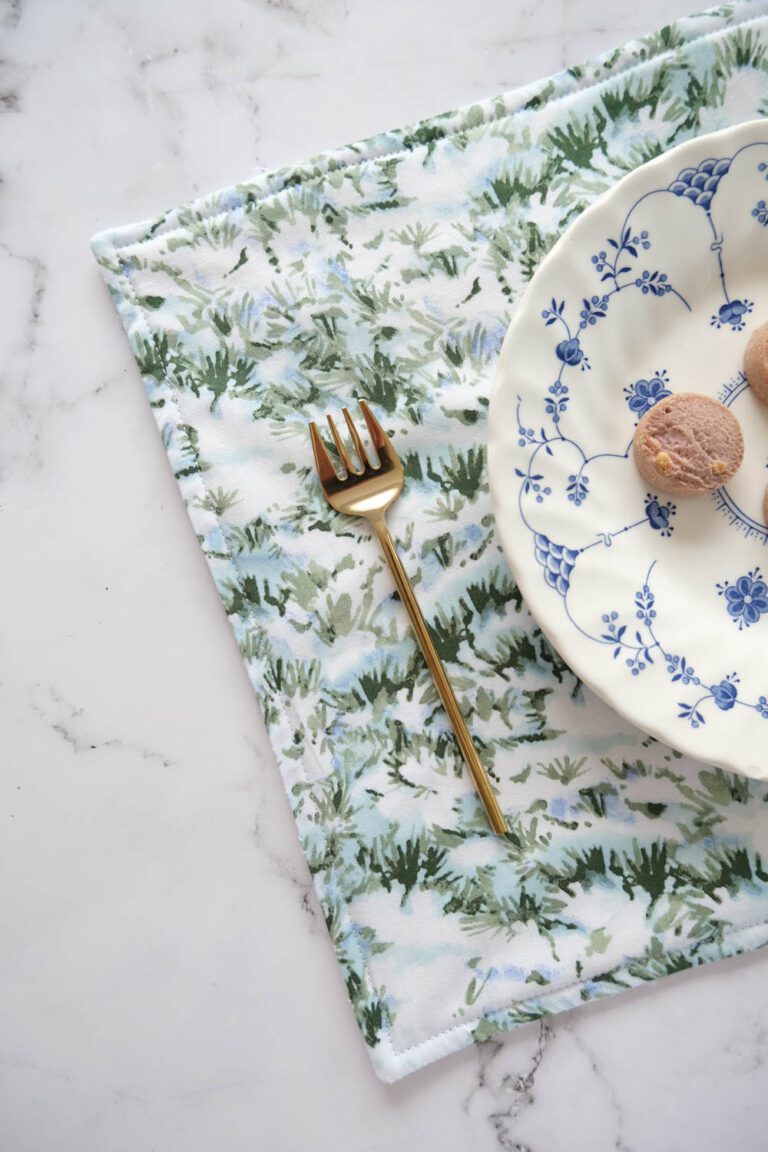
Fabric placemats are practical and decorative pieces that define personal space at the table and protect surfaces from spills or scratches.
They can be sewn individually or in sets using quilting cotton, canvas, or even laminated fabrics for easy cleaning. You can experiment with patchwork, embroidery, or appliqué for added style.
Placemats are small enough to complete quickly, making them perfect for beginners, and they provide an easy way to tie together your living room’s color scheme or seasonal décor.
33. Fabric Coasters
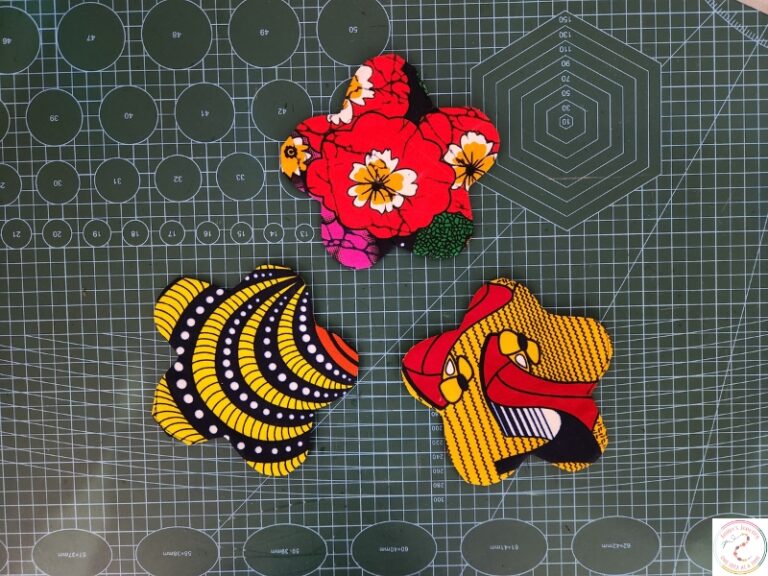
Fabric coasters are example of small, versatile sewing ideas for the living room that protect tabletops from water rings and heat.
They can be quilted, layered with batting, or reinforced with interfacing to give durability and absorbency.
Using scraps from other projects, you can create sets in coordinating colors and patterns, making them both practical and decorative.
Coasters are simple to sew but allow for endless creativity with shapes, stitches, and embellishments, giving your living room a polished and cohesive look without taking much time.
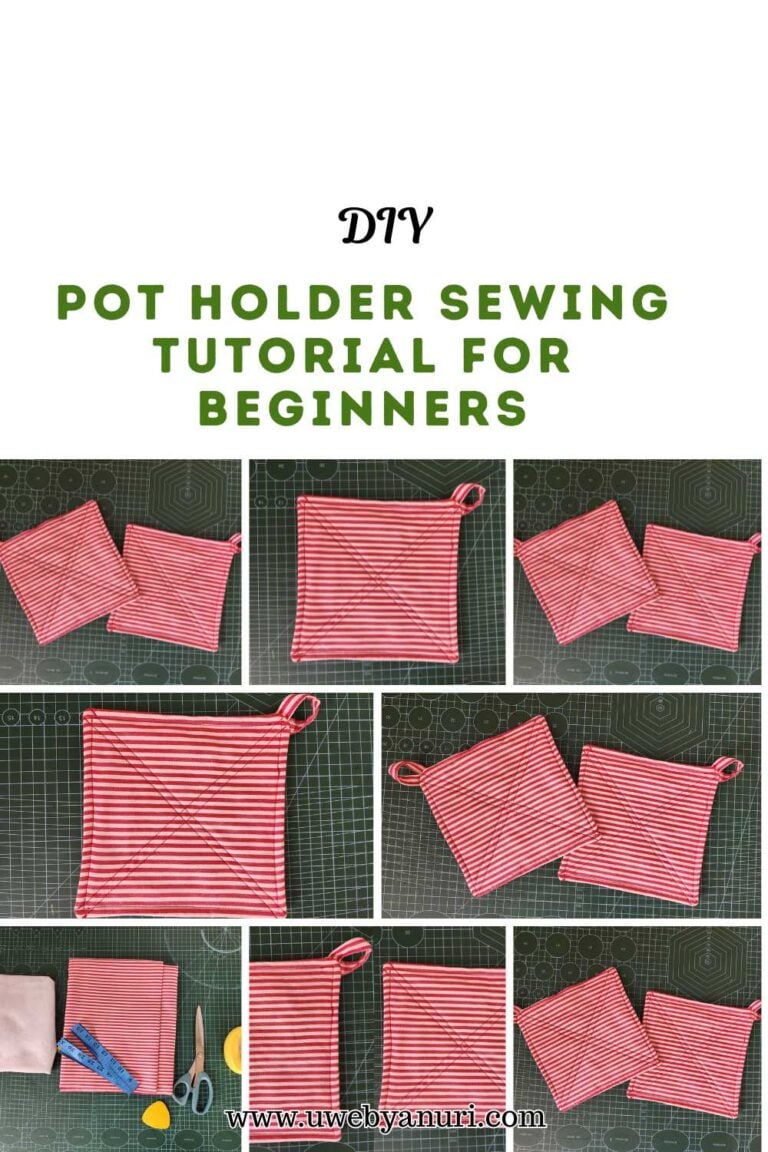
34. Quilted Hot Pads or Mug Rugs
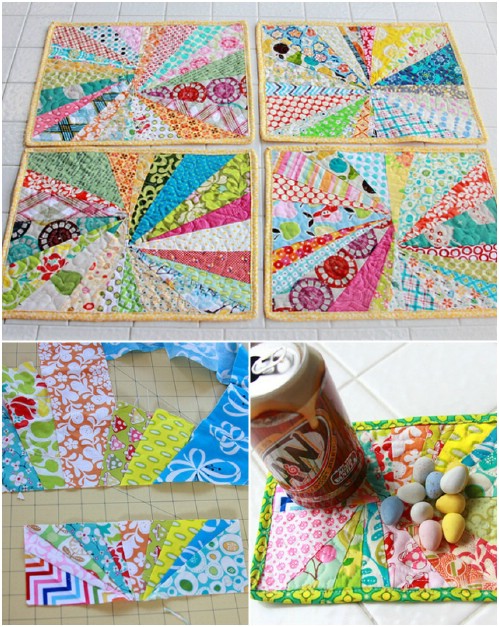
Quilted hot pads or mug rugs are slightly larger than coasters, designed to hold hot mugs, cups, or small snacks.
They are sewn with layers of fabric and batting, often featuring quilting stitches or decorative topstitching to add texture and durability. Cotton or heat-resistant fabrics are ideal.
These projects are functional, protecting furniture from heat and spills, while also giving you a small canvas to practice quilting or patchwork techniques.
Mug rugs and hot pads are easy to swap out seasonally, making them practical, stylish, and personalized décor items.
More post you’ll love: 35 Easy Sewing Projects to Make with Scraps
35. Sofa or Chair Doilies / Antimacassars
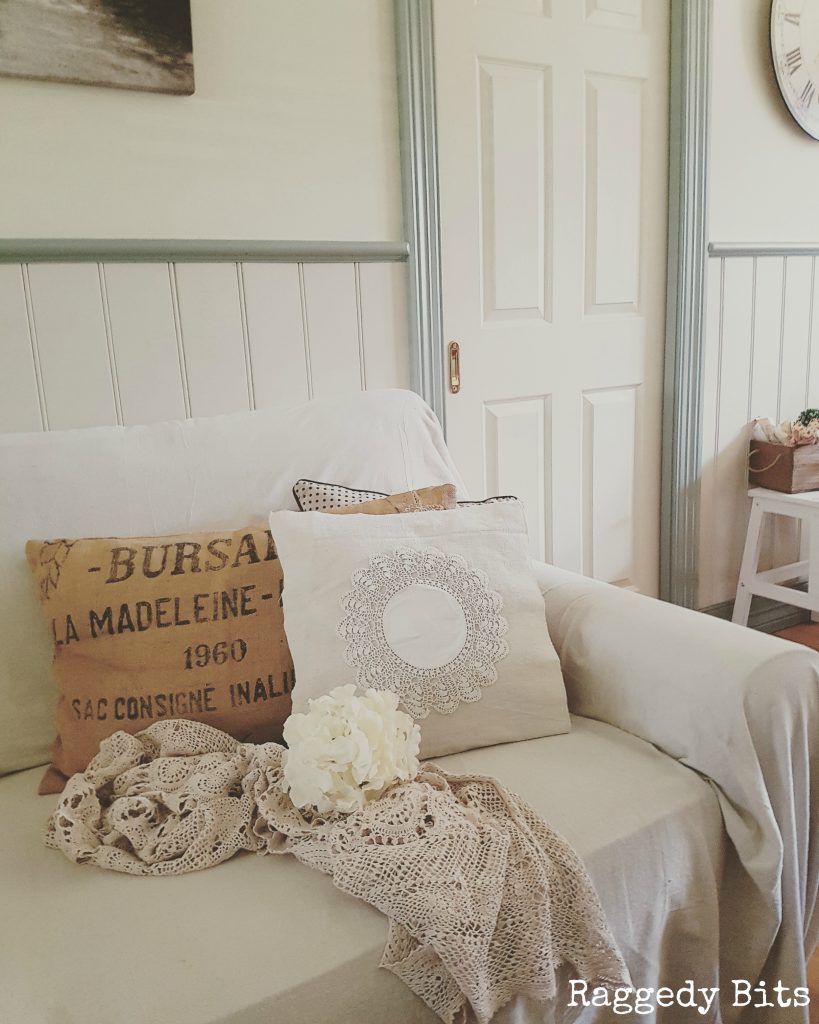
Doilies or antimacassars are small fabric pieces placed on the arms or backs of sofas and chairs to protect upholstery from oils, dirt, and wear.
They can be sewn from cotton, lace, or decorative fabrics and often feature scalloped edges, embroidery, or lace inserts for added charm.
These pieces are small yet impactful, giving furniture a polished and classic look while serving a practical function.
Doilies are beginner-friendly projects that allow you to experiment with decorative stitches and finishing techniques, making them a subtle but elegant addition to any living room.
Similar post: 30 Sewing Projects to Save Money Around the House
36. Tablecloths
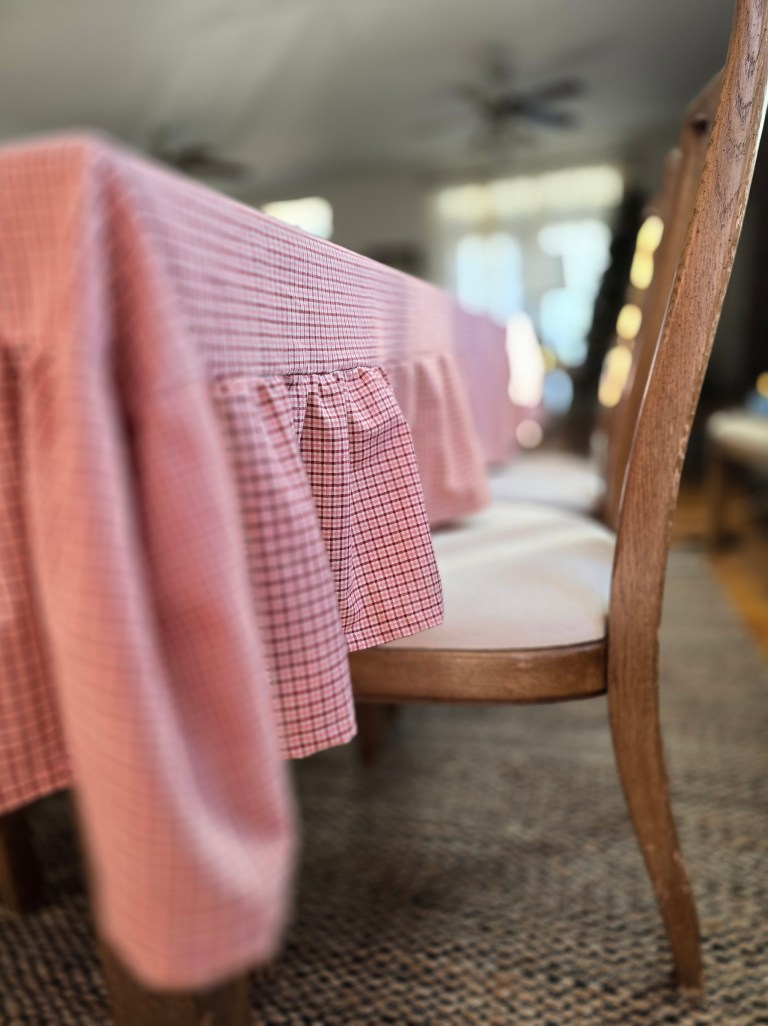
Sewing a tablecloth is a straightforward project that instantly transforms a coffee table, side table, or console.
Fabric choices range from cotton and linen for casual everyday use to heavier fabrics or blends for a more formal setting.
Hemming edges neatly is the main focus, though you can add decorative trims, embroidery, or corner details for extra style.
Tablecloths are versatile and functional they protect surfaces, coordinate décor, and can be swapped for seasonal or special-event looks.
This project is simple but highly effective in changing the overall ambiance of a room.
37. Armchair Headrest Covers
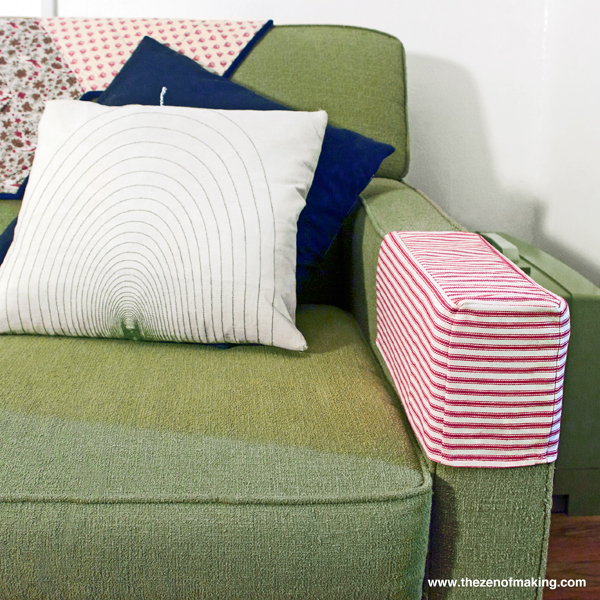
Headrest covers are small, protective pieces that slip over the top of chairs or sofas to protect fabric or leather from wear and oils.
They can be sewn from durable fabrics like cotton, linen, or upholstery-weight material and may include simple hems, elastic, or ties to keep them in place.
Sewing these covers allows you to maintain the cleanliness and longevity of your furniture while also adding a touch of coordinated style.
They are small, manageable projects that provide both practicality and subtle elegance.
38. Drawer or Shelf Liners
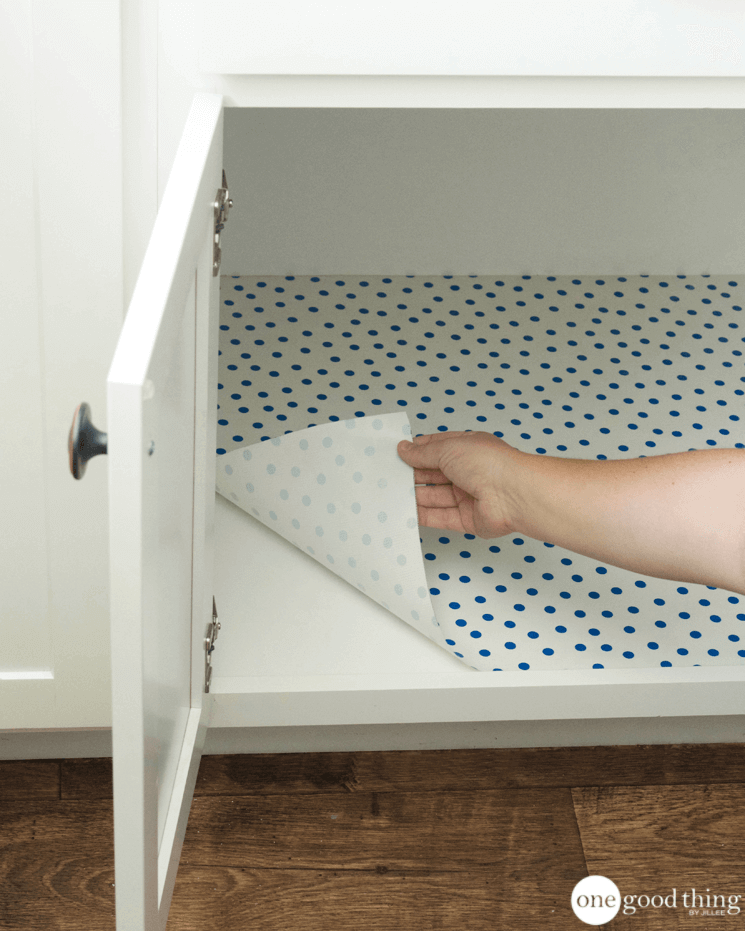
Fabric liners for drawers or open shelves are functional and decorative sewing projects that protect surfaces and add color or pattern to hidden or semi-visible areas.
They can be sewn with lightweight cotton or canvas, and edges can be finished with bias tape or simple hems.
Custom sizing allows them to fit exactly, and they can be layered with padding for extra protection.
These liners make it easier to keep shelves and drawers clean while adding a cohesive, polished look to your living room storage areas.
Related reads: 40 Simple Sewing Projects to Organize Your Home
39. Plant Pot Covers or Cozies
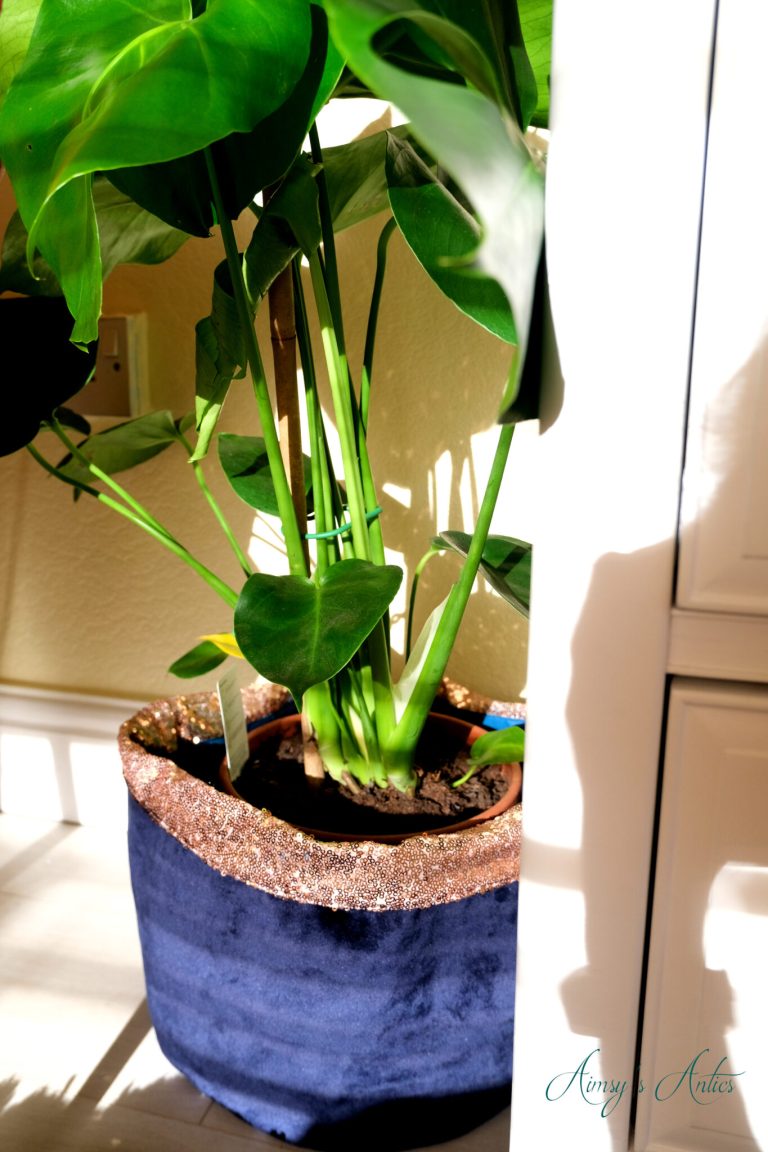
Fabric plant pot covers transform ordinary plant containers into stylish living room décor pieces.
They are sewn from canvas, linen, or decorative cotton and can include simple drawstring tops or stitched panels to fit snugly over pots.
Plant covers allow you to coordinate your greenery with your interior color scheme and add texture to corners, shelves, or side tables.
This project is simple, customizable, and makes even inexpensive pots look intentional and cohesive in your living room.
40. Fabric Book Covers
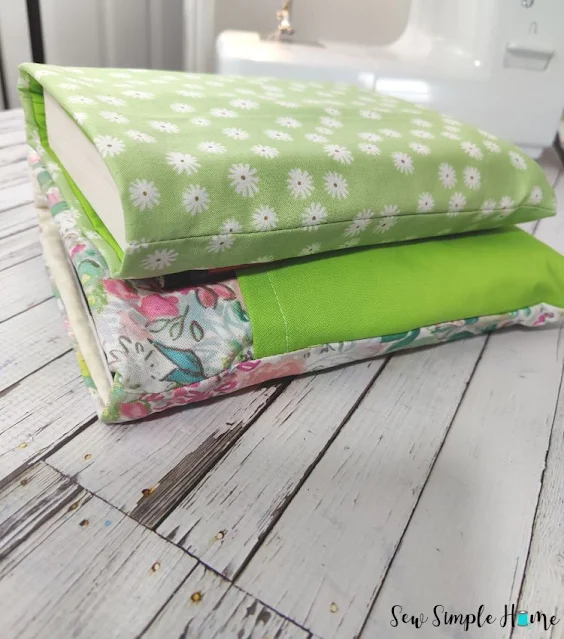
Fabric book covers for coffee table books are an elegant way to protect the books while creating a uniform, decorative display.
These covers can be sewn from cotton, canvas, or patterned fabrics, and may include pockets for additional storage or embellishments like trims or appliqué.
Book covers allow you to coordinate books with your living room’s color palette, hide worn edges, and add a subtle, handmade touch to your décor.
They’re quick to sew, practical, and provide a polished, cohesive look for your surfaces.
These are also very interesting inspirations:
Keep Up with Mia
Posted In: Easy sewing projects